Watoria Guide
Anessa vs Bioré UV vs Skin Aqua: Which Japanese Sunscreen Should You Choose?
Compare three specific Japanese SPF50+ sunscreens by texture, water-resistance labeling, daily routine, ingredients, bottle size and who should skip each one.
- Quick Answer
- What You’ll Learn
- Three products, not three interchangeable brands
- Start with the day you need it for
- Anessa Perfect UV Skincare Milk NA: the active-day candidate
- Bioré UV Aqua Rich Watery Essence: the daily-layering candidate
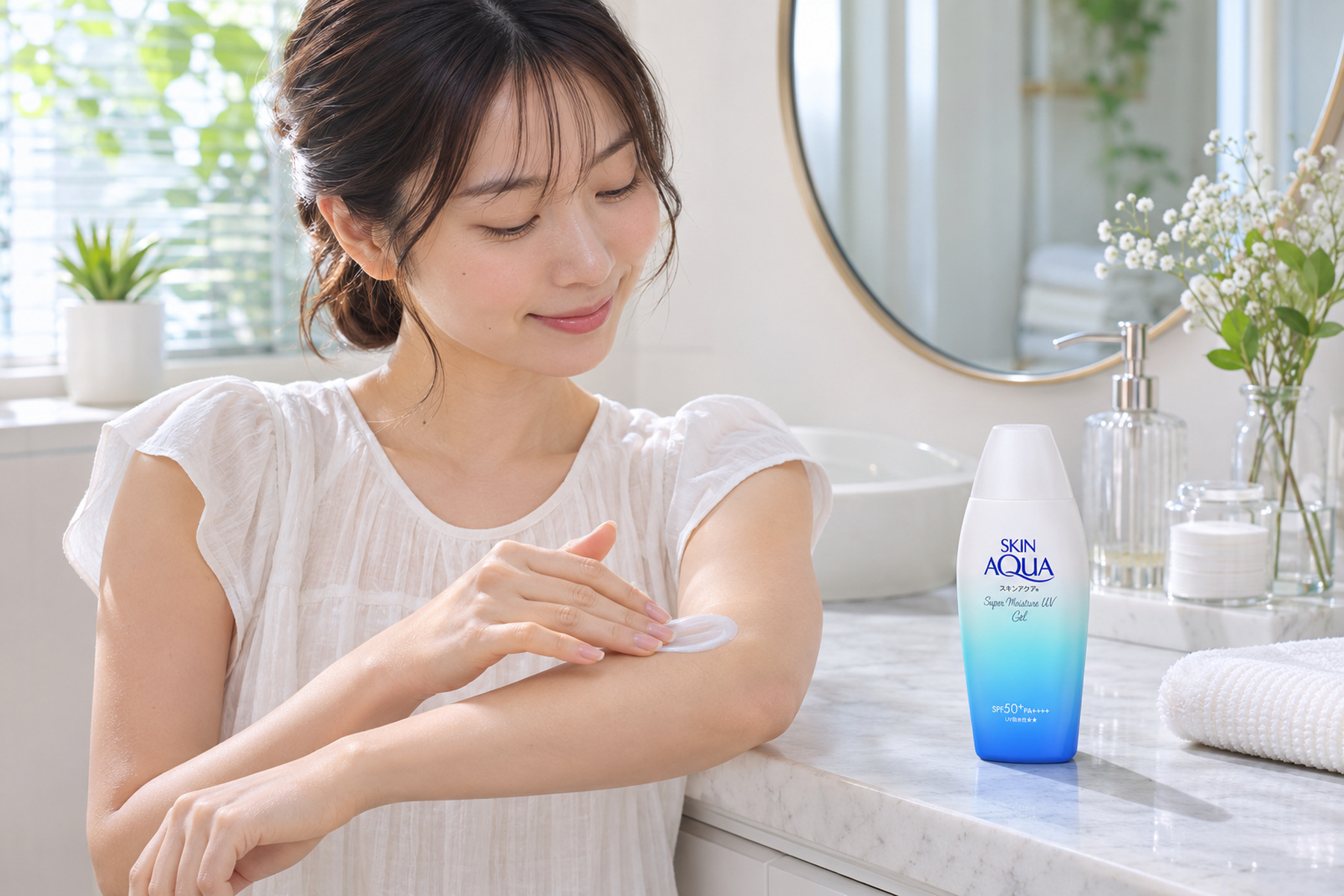
- Skin Aqua Super Moisture UV Gel: the generous-application candidate
- The finish test that matters more than online rankings
- SPF, PA and UV water resistance★★ explained
- Cost per use, bottle size and sourcing
- How I would apply and reapply each one
- Check the exact formula and avoid the wrong version
- My short list for three real routines
- FAQ
- Related Guides
- Official References
- Final Thoughts
- Keep exploring Japanese culture
- Continue to the best buying / booking route
- Continue exploring
- Useful guides
- Discover more Japan
- Primary sources
Quick Answer
Choose Anessa Perfect UV Skincare Milk NA if you want a shake-before-use milk with a dry, smooth finish for days involving activity. Choose Bioré UV Aqua Rich Watery Essence if you prefer a lighter-feeling essence for face-and-body daily use. Choose Skin Aqua Super Moisture UV Gel if you need an easy-to-spread gel in a larger bottle or pump. All three selected Japanese formulas display SPF50+, PA++++ and UV water resistance★★; none is exempt from proper application or reapplication. Finish and sensitivity are individual, so a small trial matters more than a brand-wide ranking.
What You’ll Learn
- The precise versions being compared, rather than broad claims about three entire brands.
- How milk, watery essence and gel differ in application, packing and possible skin feel.
- What Japanese UV water-resistance stars test—and what they do not promise.
- A buyer checklist for variants, ingredient sensitivities and genuine stock.
Three products, not three interchangeable brands
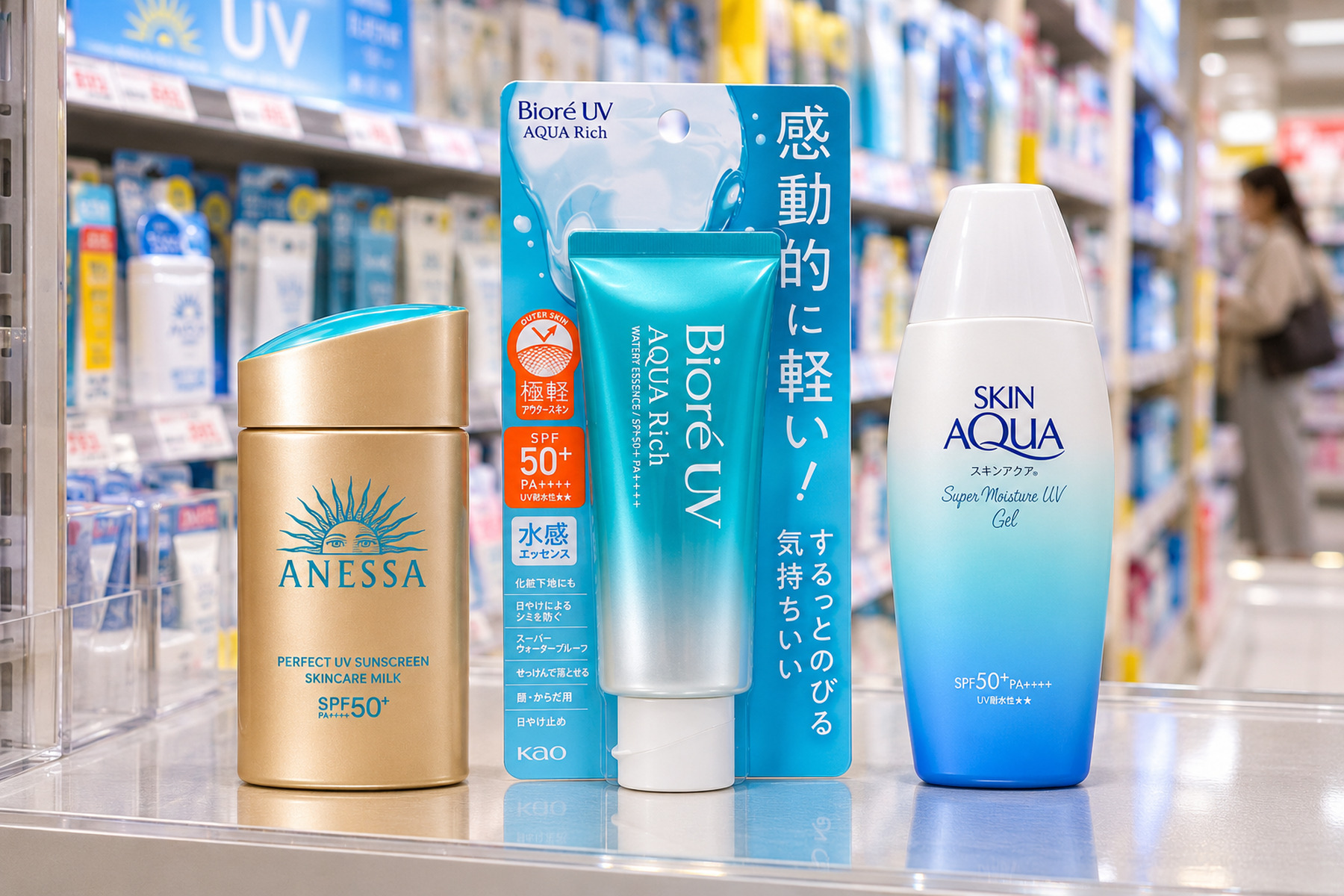
The most useful comparison starts with exact labels. Here the products are ANESSA Perfect UV Skincare Milk NA (60 mL), Bioré UV Aqua Rich Watery Essence (70 g), and Skin Aqua Super Moisture UV Gel (110 g bottle or 140 g pump). Each maker sells other sunscreens, and some international-market packages have different formulations. If the name after the brand differs, this comparison may not apply.
All three selected Japan-market formulas list SPF50+, PA++++ and UV water resistance★★. Those shared symbols narrow the protection comparison but do not mean identical ingredients, finish or performance on your skin. I would make the decision around what you can apply generously, tolerate, and realistically reapply—not around a claim that one brand is always strongest.
- Anessa NA: a two-phase milk; shake first; 60 mL; face and body.
- Bioré Aqua Rich Watery Essence: water-based-feeling essence; 70 g; face and body.
- Skin Aqua Super Moisture UV Gel: spreading gel; 110 g bottle or 140 g pump; face and body.
Start with the day you need it for
For an active day outside, Anessa is the first of these three I would consider because Shiseido describes resistance to rubbing and a milk designed for sport and leisure. That is a product-positioning advantage, not evidence that the other two are unsafe or ineffective in sun. You still need enough product, shade and a way to reapply after sweating or drying off.
For a commuter wearing makeup, Bioré's watery essence is an appealing first test: Kao emphasizes even spreading and a light, nonsticky feel. For arms and legs, Skin Aqua's larger-volume gel or pump can make generous application more practical. If your skin reacts to fragrance, ethanol or certain filters, ingredients and a small-area test outrank all three recommendations.
- Outdoor leisure: try Anessa milk first if its texture and ingredient list suit you.
- Everyday facial routine: test Bioré essence under your usual makeup.
- Frequent full-body use: compare the cost and convenience of Skin Aqua gel or pump.
- Easily irritated skin: read the actual ingredient label before choosing any of them.
Anessa Perfect UV Skincare Milk NA: the active-day candidate
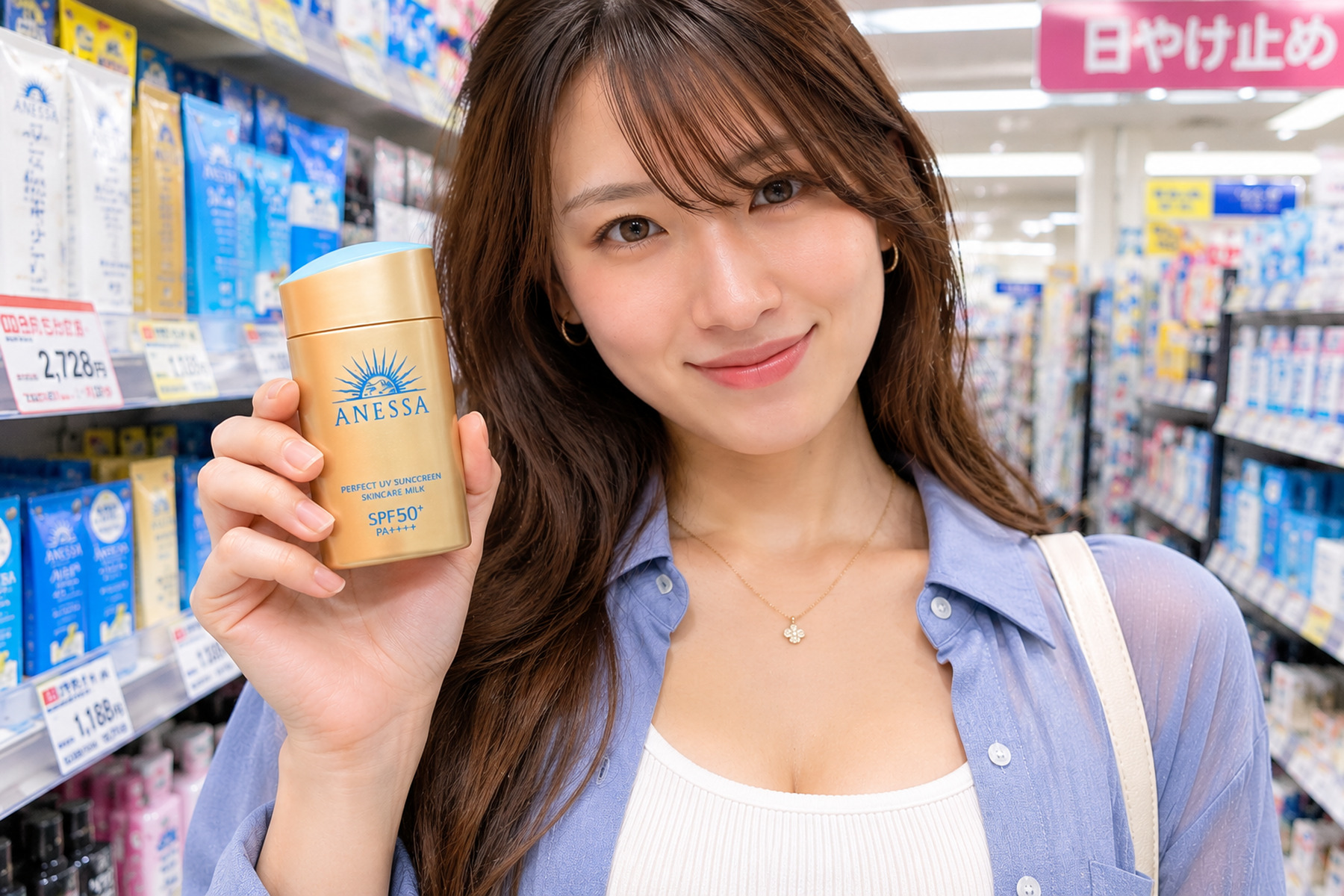
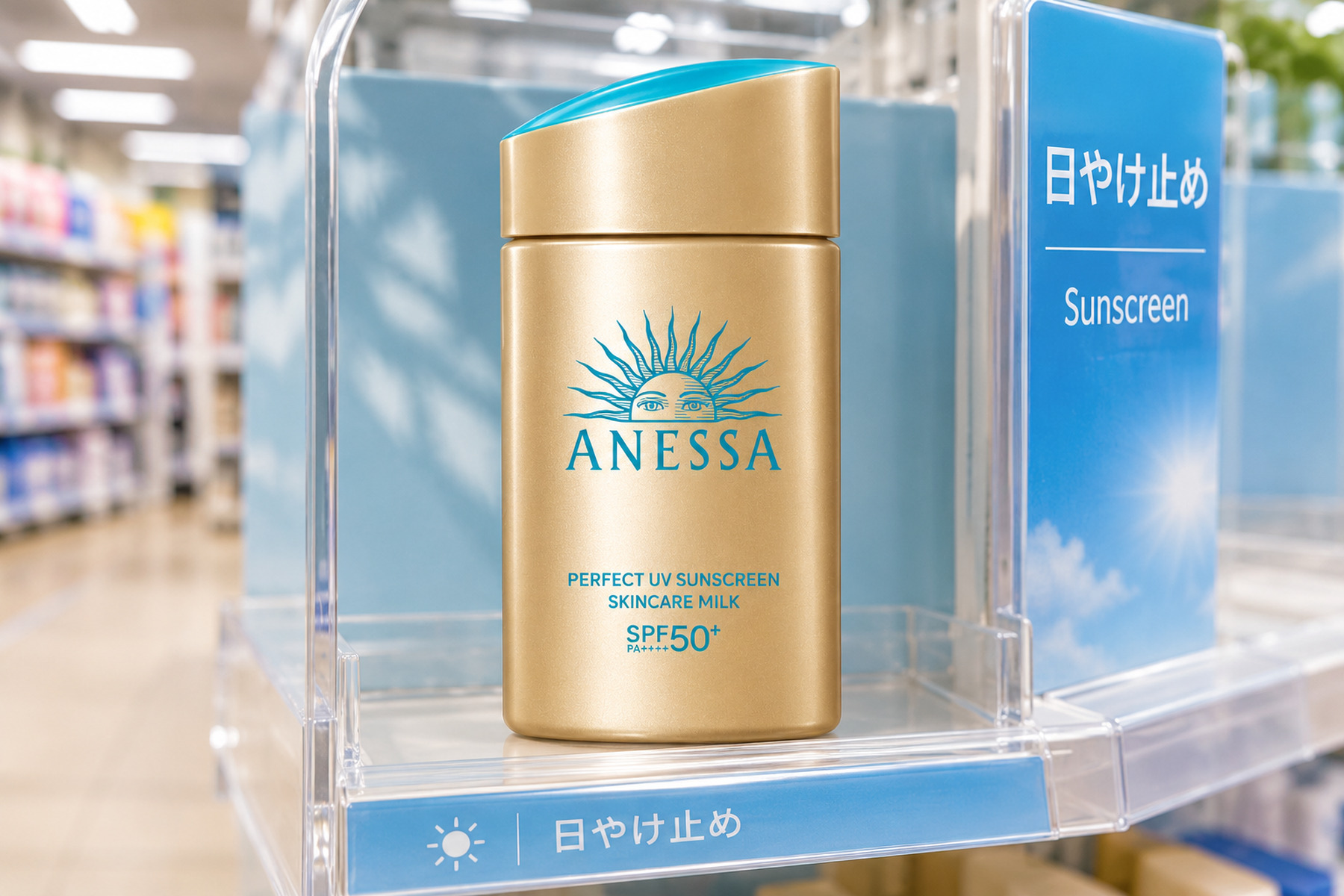
Anessa's gold-bottle Perfect UV Skincare Milk NA is a two-layer formula. Shiseido instructs users to shake it well, put a sufficient amount onto the face or body, and spread thoroughly. The brand describes a smooth, dry feel, rubbing resistance and technology intended to help maintain the UV film during movement. These are the manufacturer's claims; I have not performed a controlled wear test.
The milk includes fragrance and ethanol, and the listed formula also contains zinc oxide. Those specifics matter more than an unqualified 'sensitive-skin friendly' label. A person who dislikes fragrance or dislikes the way some milk formulas settle may prefer a different product. Some individual users report loving its lightweight finish; others discuss dryness, scent or pilling. Neither response can be promised for your skin.
The 60 mL bottle is compact, but buying it for full-body daily use may be less convenient than a larger gel bottle. Check the exact NA label and instructions, rather than assuming an Anessa gel, mild-milk version or overseas edition has the same composition.
- Strongest reason to test: shakeable milk with active-use positioning and rubbing-resistance claims.
- Main compromises: smaller pack, shaking step, fragrance/ethanol considerations.
- Avoid assuming: premium positioning guarantees a better result than correct application of another SPF.
Bioré UV Aqua Rich Watery Essence: the daily-layering candidate
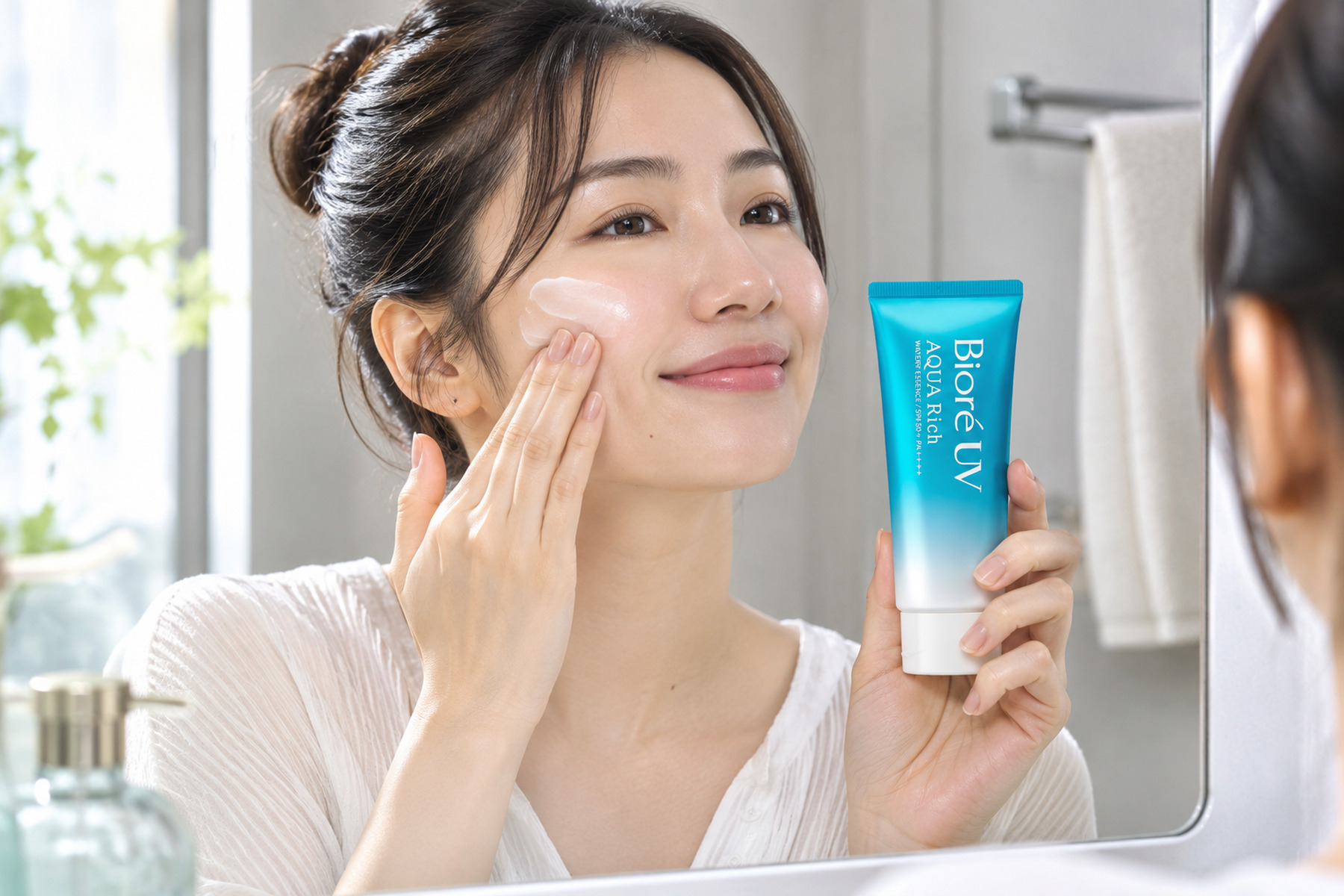
Kao's specified Japan-market Watery Essence is a 70 g product. Its revised water-based-feeling formula is promoted for forming an even film and absorbing quickly, with a nonsticky finish. It can be used on the face and body and as a makeup base. The manufacturer's listed ingredients include ethanol and fragrance; the official page also describes soap removal.
I would try it first on a normal morning with your regular moisturizer and foundation, not on the day of an important event. Let the skincare layers settle, apply a sufficient amount of sunscreen, and look for rolling, shine or discomfort. An appealing 'watery' name is not proof that it will dry matte on every person or behave well over every serum.
Independent sunscreen users report sharply different finishes: some find Bioré comfortable, while others find it greasy or notice a reaction. Those are personal experiences, not controlled comparative evidence. If your eyes sting or your skin reddens, stop using it and reassess rather than trying to make the product fit an online ranking.
- Strongest reason to test: an essence format promoted for easy daily spreading.
- Main compromises: fragrance/ethanol on the specified ingredient list; personal finish varies.
- Confirm: the Watery Essence version, not a similarly named Bioré milk, spray or overseas formulation.
Skin Aqua Super Moisture UV Gel: the generous-application candidate
Rohto describes its Super Moisture UV Gel as a light, watery-feeling formula for both face and body. The maker lists a 110 g bottle and 140 g pump, three moisturizing hyaluronic-acid ingredients, and a fragrance-free, colorant-free formulation. It is marketed as removable with soap. These claims apply to this gel, not to every Skin Aqua tone-up, barrier or essence product.
Its larger format is the clearest practical advantage for someone applying sunscreen to exposed arms, neck and legs. A bigger container may reduce the temptation to ration product, although the actual saving depends on checkout price and how quickly you finish it. For a dedicated face product, however, the pump's size is less compelling if you dislike a dewy film.
Some owners find this gel comfortable; other first-hand reports describe shine, eye stinging or a less reassuring experience during a long beach outing. A single account cannot isolate the role of amount applied, reapplication, exposure or skin type. The better conclusion is to test the finish and follow official directions, not to declare the formula unreliable.
- Strongest reason to test: convenient larger sizes for face-and-body coverage.
- Main compromise: dewy or shiny appearance is possible on some skin.
- Do not confuse: Super Moisture UV Gel with the separate Barrier Gel or Tone Up lines.
The finish test that matters more than online rankings
There is no universal 'matte winner.' A milk can feel powderier, an essence can feel quick to spread, and a gel can look glossy. Your moisturizer, foundation, climate and application quantity will change what you see. The published descriptions are a useful starting hypothesis—not a laboratory comparison of these exact products side by side.
Make a controlled personal comparison: use the same cleansed area and the same usual moisturizer on separate days. Apply each sunscreen generously following its directions, allow it to settle, then check for white residue around the hairline, pilling under makeup, tightness, shine and any eye-area irritation. Do not deliberately underapply to make a finish look prettier.
If you have eczema, a known contact allergy or persistent irritation, consult a healthcare professional about suitable sun protection. No brand on this list is guaranteed nonirritating. Manufacturer allergy-testing statements are not a guarantee for every user.
- Visible residue or cast: examine the finish across your own skin tone after full application.
- Makeup pilling: try adjusting layer order or wait time before discarding the product.
- Eye stinging, rash or swelling: stop use and seek appropriate medical advice if symptoms persist.
SPF, PA and UV water resistance★★ explained
SPF mainly describes protection against UVB-related sunburn under standardized testing. PA indicates a category of UVA protection; PA++++ is the top category in the Japanese system, not a guarantee that two products have identical UVA test results. All three selected products carry the same headline SPF and PA categories, so 'SPF50+' alone is not a meaningful tie-breaker.
Japan's UV water resistance★★ label is based on an 80-minute water-immersion test protocol under the Japanese cosmetics industry standard. It is not a promise that the sunscreen will stay perfect for exactly 80 minutes of swimming, nor a substitute for reapplication. Rubbing with a towel, sweat, water and insufficient initial coverage can all weaken the film.
The American Academy of Dermatology recommends broad-spectrum SPF30 or higher, water resistance, enough product, and reapplication about every two hours outdoors—and after swimming or sweating according to the product directions. Shade, clothing and a hat are still important. No sunscreen makes unlimited sun exposure safe.
- SPF50+ and PA++++ are label categories, not a ranking of how pleasant a product feels.
- UV water resistance★★ refers to a standardized immersion test, not unlimited waterproofing.
- Follow the instructions on your actual product and reapply after water, sweat or toweling.
Cost per use, bottle size and sourcing
When comparing value, start with the labeled contents and what body areas you will cover. Anessa's 60 mL milk, Bioré's 70 g essence and Skin Aqua's 110 g or 140 g gel packaging cannot be compared by dividing the numbers as if grams and milliliters were identical. Instead, compare actual checkout cost, amount used per application and how often you will replace the bottle. Promotions and international shipping can reverse a local shelf-price advantage.
For a small commuting routine, the best-value product may be the one you actually use every day rather than the largest package. For large exposed areas, the pump format can reduce friction around applying enough. A face-only customer should not automatically buy a full-body pump, and an occasional traveler does not need to stockpile a formula before checking skin tolerance.
If buying from overseas, verify the seller, original packaging, destination import restrictions, expiry information, handling temperature and return policy. A Japan-only storefront may require a lawful intermediary, but Watoria is not a seller or purchasing service. Do not treat a marketplace listing as an official product specification.
- Compare the same precise product/version and the final delivered cost, not brand name alone.
- Separate grams from milliliters; do not compute a false cross-unit price ranking.
- Check whether the formula and item code match the Japanese manufacturer's page.
How I would apply and reapply each one
In the morning, use your ordinary skincare routine, then apply a full, even layer to all exposed areas. For Anessa's two-layer milk, shake first as directed. Give special attention to the ears, neck, hairline, hands and other commonly missed spots. If you wear foundation, test your usual order of products rather than diluting sunscreen into makeup.
Before extended outdoor time, plan where the next application will happen. Pack the container, a clean way to apply it, and a hat or other covering. Sweat and a towel can remove or disrupt product; apply again after wiping, water exposure or heavy sweating and follow the pack's instructions. Do not use a face mist as an excuse to skip an adequate sunscreen layer.
The manufacturers describe soap removal for these selected products, but removal depends on what else you are wearing. If you also use long-wear makeup, use an appropriate cleanser for the whole routine. Harsh scrubbing is not necessary just because a sunscreen is water resistant.
- Anessa: shake the milk, apply generously and distribute thoroughly.
- Bioré: let skincare layers settle and apply evenly before makeup.
- Skin Aqua: use the gel generously, including on body areas easy to miss.
- All three: carry enough for real reapplication when outdoors.
Check the exact formula and avoid the wrong version
Product families can have similar-looking names but materially different ingredient lists, scent and finish. Anessa Perfect UV Skincare Milk NA is not the same thing as an Anessa mild milk; Bioré's Watery Essence is not its Watery Gel; Skin Aqua's Super Moisture UV Gel is not the Barrier Gel or Tone Up Essence. Package art may change, so product names, volume, manufacturer details and the current ingredient panel are more reliable than a single old image.
For authenticity, compare the item against the manufacturer page, use a reputable authorized retailer where possible, and be cautious of suspiciously discounted or poorly documented listings. A printed Japanese label alone does not prove authenticity. If a seller shows photos of a different version, request a precise product identity before paying.
Imported editions may be subject to different labeling and local rules; do not assume a sunscreen that shares a brand name in your country is the exact Japan-market product discussed here. Check the final package and your destination's regulations.
- Match exact product name and size with official maker information.
- Read the actual current ingredients, especially for known sensitivities.
- Avoid listings that obscure lot, seller identity, product version or return terms.
My short list for three real routines
For a beach day or long outdoor walk, my first trial among these three would be Anessa Perfect UV Skincare Milk NA—provided I tolerate its scent and texture. Its milk format and advertised resistance to rubbing suit that use case, but I would still reapply and use shade or protective clothing.
For a daily face routine with makeup, I would first trial Bioré UV Aqua Rich Watery Essence. Its target is fast, even spreading, not a guaranteed matte finish. If it feels greasy, pills or stings, that alone is a valid reason to try a different formula.
For frequent face-and-body coverage, I would start with Skin Aqua Super Moisture UV Gel, particularly if the larger bottle makes sufficient application easier. If the finish is too shiny, an essence or a different sunscreen may fit better. The right purchase is the exact formula you will use consistently—not an imaginary winner across every skin type.
FAQ
- Is Anessa automatically stronger than Bioré UV or Skin Aqua?
- No. The three versions compared here all show SPF50+, PA++++ and UV water resistance★★. Anessa promotes a rub-resistant milk for active use, but those labels do not establish a universal head-to-head protection winner on every wearer.
- Which is better for oily skin?
- There is no guaranteed oily-skin winner. Anessa milk is marketed as smooth and dry, Bioré essence as nonsticky, while Skin Aqua gel may leave a dewier look for some users. Try a normal full application under your usual skincare and makeup.
- Which of these is fragrance-free?
- Rohto lists Skin Aqua Super Moisture UV Gel as fragrance-free. The ingredient lists for the specific Anessa NA milk and Japan-market Bioré Watery Essence include fragrance. Check current packaging because other variants differ.
- Does UV water resistance★★ mean I can swim for 80 minutes without reapplying?
- No. The symbol relates to a standardized 80-minute immersion-test condition. It is not a literal guarantee for a swim or a reason to ignore product instructions, towel drying, sweat or reapplication.
- Do I need to shake all three sunscreens?
- Shiseido explicitly instructs users to shake the two-phase Anessa Perfect UV Skincare Milk NA. Do not generalize that instruction to all essence or gel products; read the directions on each current package.
- Can I use these on both face and body?
- The three selected Japan-market products are described by their manufacturers for face and body. Individual reactions, makeup compatibility and routine preferences may still differ.
- Is Japanese Bioré UV the same as Bioré sold abroad?
- Not necessarily. Market-specific names, regulations and formulas can differ. Match the exact product name and ingredient panel to the official Japanese maker page before relying on this comparison.
- Can I buy sunscreen through Watoria?
- No. Watoria is an editorial product guide, not a retailer, marketplace, checkout service or shipping provider. Check the manufacturer and independent retailer terms for actual purchases.
Official References
- Shiseido ANESSA — Perfect UV Skincare Milk NA official product
- Shiseido — Perfect UV Skincare Milk NA instructions and ingredients
- Kao — Bioré UV Aqua Rich Watery Essence product and ingredients
- Kao — Aqua Rich Watery Essence formulation announcement
- Rohto — Skin Aqua Super Moisture UV Gel official product
- JCIA — Japan UV water-resistance testing standard
- American Academy of Dermatology — How to apply sunscreen
Final Thoughts
I would choose by routine rather than brand reputation: Anessa milk for an active-day trial, Bioré essence for everyday facial layering, and Skin Aqua gel for generous regular body coverage. Confirm the exact Japanese version, test comfort on your own skin, apply enough and make reapplication part of the plan.