
Watoria Guide
Best Japanese Cultural Experiences to Book: Tea, Kimono, Crafts and Food
Choose Japanese tea, kimono, craft and food experiences by teaching quality, group size, language support, cultural context, accessibility and booking terms—not by staged photos alone.
- Quick Answer
- What You’ll Learn
- Who This Experience Suits
- Best-Fit Summary: Tea, Kimono, Crafts or Food
- What to Expect from a Tea Ceremony Experience
- What to Expect from a Kimono Experience
- What to Expect from a Japanese Craft Workshop
- What to Expect from a Japanese Food Experience
- How to Judge Quality Before Booking
- Booking, Cost and Cancellation Factors
- Etiquette and Accessibility
- FAQ
- Related Guides
- Official References
- A Practical Booking Decision Matrix
- Final Thoughts
- Keep exploring Japanese culture
- Continue to the best buying / booking route
- Continue exploring
- Discover more Japan
- Primary sources
Quick Answer
The best Japanese cultural experience is one that teaches enough context for you to understand what you are doing, gives you a realistic idea of participation before booking, and clearly states group size, language support, duration, accessibility, inclusions and cancellation rules. Tea ceremony is strongest for ritual, hospitality and aesthetics; kimono experiences are best for clothing, dressing and seasonal presentation; craft workshops are strongest when a maker or instructor explains materials and technique; and food classes work best when the cooking is genuinely hands-on and dietary needs are confirmed in advance. Do not judge authenticity from costumes or historical-looking rooms alone. Look for knowledgeable instruction, accurate cultural framing, respectful participation and transparent operational information. Watoria is an editorial guide, not a booking operator, so the provider's current page remains the final source for availability, price and terms.
What You’ll Learn
- How tea ceremony, kimono, craft and food experiences differ in depth, participation style and cultural learning.
- How to judge instructor quality, group size, language support, hands-on time and cultural context before booking.
- Why a visually traditional setting is not enough by itself to prove the quality or authenticity of an experience.
- Which booking details matter most: duration, inclusions, dietary needs, age limits, cancellation terms and photography rules.
- How to participate respectfully without worrying about perfect etiquette.
- How to check accessibility, seating, stairs, mobility needs and other practical requirements before committing.
Who This Experience Suits
A cultural experience makes sense when you want more than sightseeing and are willing to spend time learning a process, custom or skill. Tea ceremony suits readers interested in ritual, hospitality, aesthetics and quiet observation. Kimono experiences suit people who want to understand traditional dress, dressing structure, seasonal styling or formal presentation. Craft workshops are a strong fit for hands-on learners who want to understand materials and technique. Food classes suit travelers who learn best by preparing, tasting and asking practical questions.
The category also works well for first-time visitors because good instructors explain what matters without assuming specialist knowledge. JNTO describes tea ceremony, kimono, craft and cooking experiences as accessible ways to engage with Japanese culture, while noting that the latest operational information should still be confirmed with the provider. The goal is not to perform Japanese culture perfectly after one session; it is to leave with a clearer understanding of what you experienced and why the details matter.
- Choose tea for ritual, hospitality and focused cultural explanation.
- Choose kimono for clothing, dressing, textiles and presentation.
- Choose crafts for technique, materials and maker-led learning.
- Choose food for participation, taste and practical cultural context.
Best-Fit Summary: Tea, Kimono, Crafts or Food
Tea ceremony offers the strongest combination of observation, etiquette and symbolic detail. Urasenke describes chado as a practice centered on host and guest sharing a meaningful moment over matcha, rather than simply drinking tea. Visitor-oriented programs are usually abbreviated compared with formal study, which can make them more approachable while still preserving essential context.
Kimono experiences vary widely. Some focus on professional dressing and photography, while better learning-oriented programs explain garment layers, obi, seasonal choices, movement and why different forms of dress are used. Craft workshops are strongest when the instructor demonstrates material handling and technique before participants work themselves. Food classes are strongest when each participant has meaningful hands-on time rather than only watching a demonstration.
If you have limited time, choose the category that gives you the type of learning you value most. Do not force several activities into one day purely because they are all described as traditional. One well-taught session is usually more memorable than several rushed activities.
- Most reflective: tea ceremony.
- Most visual and clothing-focused: kimono.
- Most maker- and technique-focused: crafts.
- Most immediately practical and social: cooking or food preparation.
What to Expect from a Tea Ceremony Experience
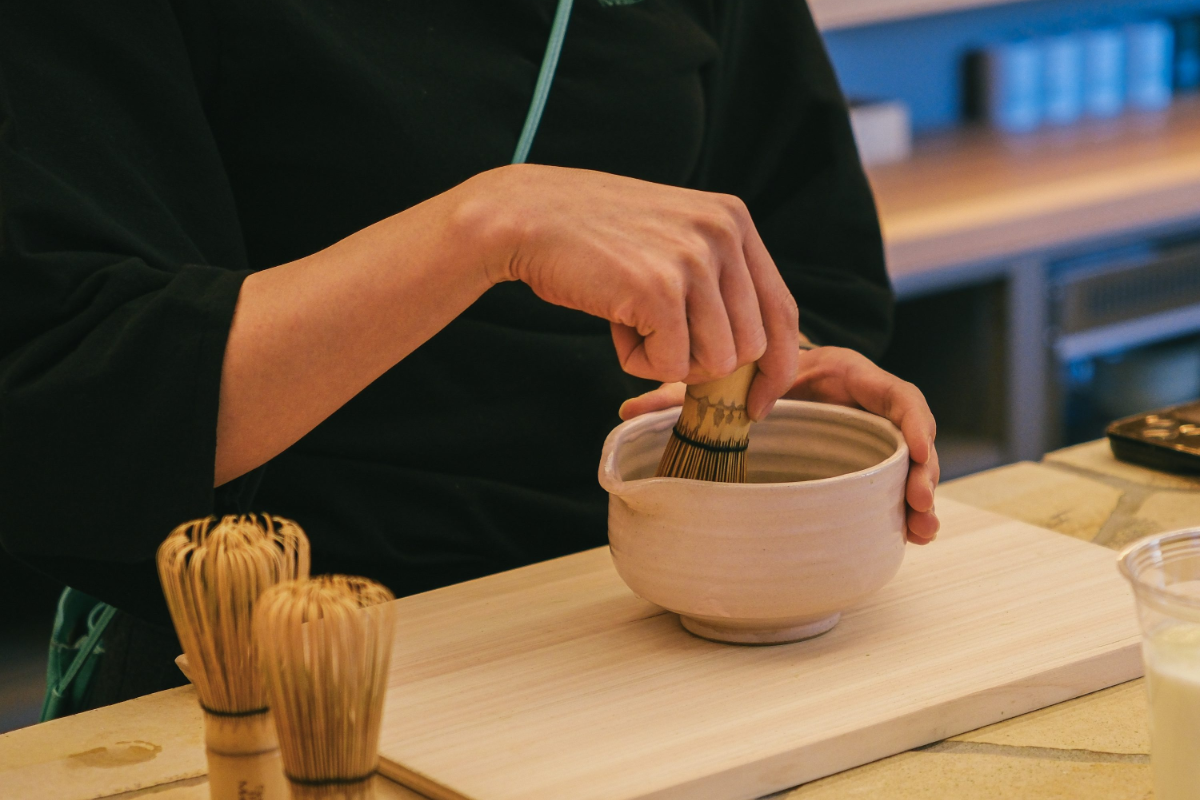
A visitor tea ceremony normally introduces the room, utensils, matcha preparation, sweets and guest behavior in a compressed format. JNTO notes that formal tea ceremony can take several hours, while many visitor venues offer shorter demonstrations or participatory sessions. At a good experience, the host explains enough context for the movements to mean something instead of turning the session into a sequence of poses.
Urasenke's description of chado emphasizes the relationship between host and guest and the idea that the shared moment cannot be repeated. That is a useful quality test: the experience should communicate hospitality, attention and the purpose of the utensils and gestures, even when simplified for beginners.
Some visitor programs combine tea ceremony with kimono. JNTO's feature on MAIKOYA in Kyoto describes English guidance, matcha and sweets, participant practice and small-group formats. Treat examples like this as a model for what to inspect rather than as a universal standard: check the current provider page for exact duration, age rules, language, clothing options and accessibility.
- Look for explanation as well as demonstration.
- Confirm whether you will prepare tea yourself or only observe.
- Check whether sweets, kimono dressing or photography are included or optional.
- Ask about floor seating or chair alternatives if mobility or comfort matters.
What to Expect from a Kimono Experience
Kimono rental can be a simple dressing service, a cultural lesson or something in between. Decide which you want. If the goal is mainly photography, prioritize professional dressing, garment condition, weather planning and the time allowed before return. If the goal is learning, look for explanation of garment structure, obi, seasonal design, movement and the difference between formal kimono and lighter clothing such as yukata.
Respectful participation does not require pretending to be an expert. Avoid marketing that reduces kimono to a costume with no context, but also avoid the opposite extreme of treating ordinary visitor participation as inherently disrespectful. JNTO explicitly presents kimono and yukata rental as ways visitors can engage with traditional Japanese clothing. The useful question is whether the provider handles the clothing carefully, explains what you are wearing and sets realistic expectations.
Comfort and accessibility matter more than many booking pages suggest. Kimono can restrict stride, layered dressing can become hot, and some historic venues have stairs or narrow interiors. Ask about changing areas, seating, restroom access, footwear, pregnancy, mobility devices and weather alternatives before booking when these issues apply.
- Clarify whether the experience is rental-only, dressing plus photography, or instructional.
- Check return time, late-return rules and weather policy.
- Ask whether hair styling, footwear, bags or underlayers are included.
- Confirm mobility and changing-room needs before arrival.
What to Expect from a Japanese Craft Workshop
A strong craft workshop makes the material and process visible. You should know whether you are forming, carving, painting, weaving, assembling or only decorating a prepared object. JNTO highlights hands-on cultural activities across Japan, including glass, pottery, bamboo craft and other traditional techniques. Its Takehara heritage-stay coverage, for example, describes bamboo basket weaving under the instruction of a local craftsperson.
The best workshops explain why the material behaves the way it does and which steps require trained skill. That distinction matters because a beginner session cannot replicate years of artisan training. A respectful provider should be comfortable saying what participants can realistically complete and what the professional normally does behind the scenes.
Before booking, check whether the finished piece can be taken away immediately. Pottery may need drying and firing; lacquer, dye and other finishes may need curing; fragile work may require later shipping. Those operational details can affect whether an experience is practical for an overseas visitor.
- Confirm exactly which steps you perform yourself.
- Prefer workshops that explain materials and technique, not only decoration.
- Check firing, drying, finishing and later-shipping arrangements.
- Ask whether clothing protection or closed shoes are recommended.

What to Expect from a Japanese Food Experience
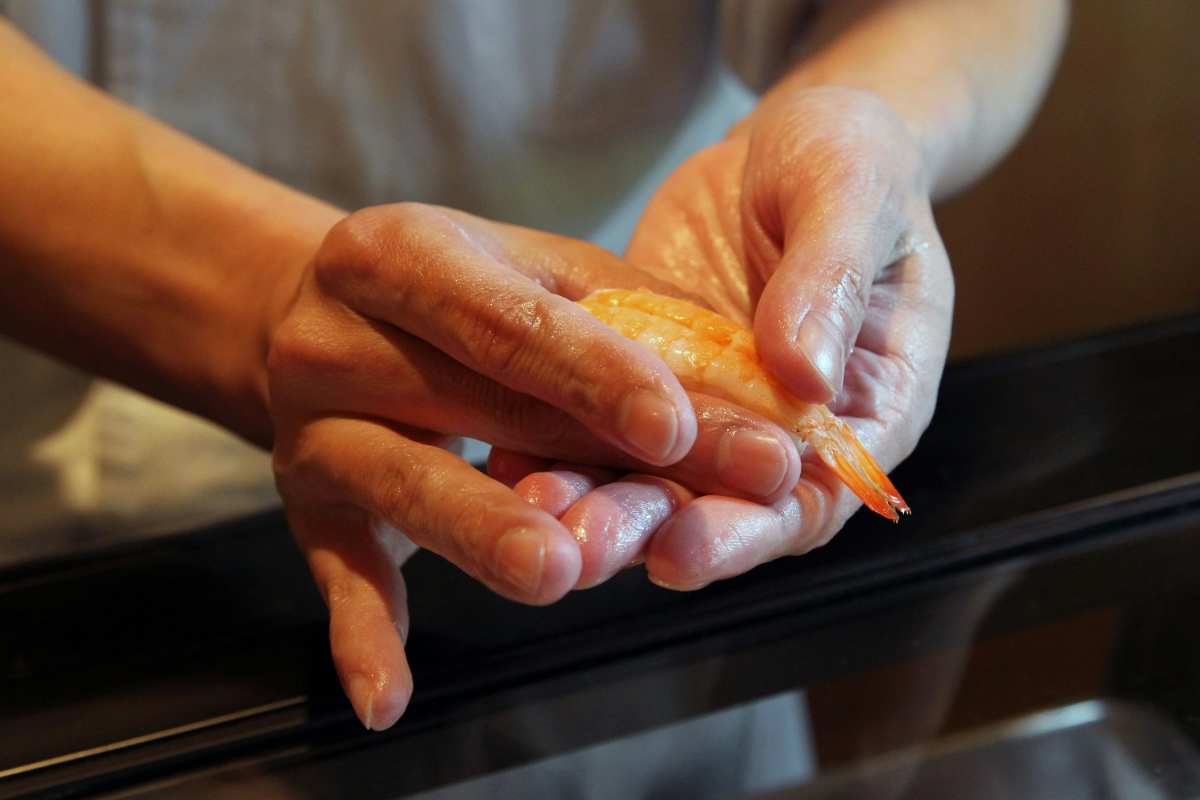
Food experiences range from market walks and demonstrations to fully hands-on home-style cooking. JNTO specifically recommends cooking classes as a way to understand Japanese food culture rather than only consume the finished dish. A strong class explains ingredients, preparation logic and the cultural setting of the food while giving participants enough time to cook.
Group size changes the experience substantially. In a smaller class, it is easier to ask questions and perform each technique yourself. In a large group, verify whether participants actually prepare individual components or mainly watch. Dietary restrictions should be confirmed before payment rather than assumed from a generic menu description.
Cancellation and confirmation rules vary by platform and host. Current airKitchen class pages, for example, publish confirmation and cancellation information and commonly state a full refund for cancellations made up to 48 hours before the class. That is an example of the kind of operational detail to verify, not a rule that applies to every provider.
- Check hands-on time, not just the number of dishes listed.
- Confirm vegetarian, vegan, allergy and religious dietary needs directly.
- Ask whether alcohol, raw seafood or other optional ingredients can be substituted.
- Read cancellation and confirmation rules before paying.
How to Judge Quality Before Booking
Quality is easier to judge from operational clarity than from promotional photography. A credible experience page should tell you what you will do, who teaches, how long the session lasts, the approximate group size, language support, what is included and any relevant restrictions. Cultural depth is stronger when the provider explains the origin or purpose of the practice instead of relying on words such as authentic, traditional or samurai as marketing labels.
Small groups are not automatically superior, but they usually allow more questions and hands-on time. Private sessions can be valuable for families, mobility needs or specialist interests, while a well-run small group can create useful interaction. Instructor background also matters: a trained practitioner or working craftsperson should be able to explain technique and context without exaggerating what a short workshop makes you capable of doing.
Be cautious with absolute authenticity claims. A visitor program is often an adaptation by design. The better question is whether the adaptation is honest, respectful and educational.
- Clear activity description and realistic learning outcome.
- Named or well-described instructor background.
- Transparent group size, duration and language support.
- No exaggerated claim that a short session makes participants masters of a traditional art.
- Clear photos of the real activity environment rather than only staged portraits.
Booking, Cost and Cancellation Factors
Do not compare experiences by headline price alone. Compare what the price includes: clothing, materials, food, drinks, photography, finished craft, shipping, interpreter support or private instruction. A lower base price can become more expensive after required add-ons, while a higher-priced small-group session may include everything necessary.
Cancellation policy matters because cultural experiences are often capacity-limited and instructor-led. Check the cutoff for a refund, no-show treatment, late-arrival policy, weather rules and what happens if the provider cancels. MAIKOYA's experience pages, for example, publish cancellation information and may also specify special rules for age, accessibility or performer availability depending on the program. Terms differ by activity, so use the exact page you are booking.
For limited-time or private experiences, also check when the booking becomes confirmed. Do not build a travel itinerary around an unconfirmed request. Watoria does not process bookings; the provider or booking platform is the operational source for price, availability, confirmation and refunds.
- Compare total inclusions rather than headline price.
- Check refund cutoff, no-show and late-arrival rules.
- Confirm whether the booking is instant or request-based.
- Save the booking terms and confirmation you agreed to.
Etiquette and Accessibility
Good visitor programs expect beginners. JNTO's tea-ceremony guidance notes that minor mistakes are generally overlooked and that demonstration-oriented visitor programs do not require the formal dress expected at more formal occasions. Follow the host's instructions, handle tools only when invited, and ask before photographing people, interiors or private workspaces.
Accessibility should be treated as a booking criterion, not a last-minute problem. Tatami rooms, floor seating, traditional stairs, narrow changing spaces, standing craft work and kitchen counters can all create barriers. Some providers explicitly ask guests with special needs to contact them in advance. Ask specific questions: whether chairs are available, whether a wheelchair can enter the activity room, whether there are stairs, whether a companion may assist and whether sensory or dietary needs can be accommodated.
Respect also means recognizing limits. A one-hour tea session, kimono fitting or pottery class is an introduction, not a substitute for long-term study. The most successful experience leaves you curious enough to learn more.
- Follow the instructor rather than trying to memorize etiquette beforehand.
- Ask before photography, especially in private, sacred or working spaces.
- State mobility, dietary, sensory or medical needs before booking.
- Treat the activity as an introduction to a living practice, not a performance to collect.
FAQ
- Which Japanese cultural experience is best for a first-time visitor?
- Tea ceremony is one of the easiest introductions because it combines hospitality, aesthetics, objects and etiquette in a structured session. If you prefer active learning, a craft or cooking workshop may suit you better. Choose by learning style rather than by which experience looks most traditional in photos.
- Is wearing kimono as a visitor disrespectful?
- Not inherently. JNTO presents kimono and yukata rental as visitor cultural experiences. Use a reputable provider, follow dressing and venue guidance, avoid treating sacred or formal settings as costume backdrops, and ask before photography where rules are unclear.
- Do I need to know tea ceremony etiquette before booking?
- No. Beginner visitor programs are designed to teach the basics. Follow the host's instructions and do not worry about minor mistakes. Formal tea study is much deeper than a visitor session, so the goal is understanding and respectful participation rather than perfect procedure.
- How can I tell whether a cultural workshop is high quality?
- Look for clear information about the instructor, activity steps, duration, group size, language support, materials, realistic learning outcome and what is included. Strong providers explain cultural context and technique instead of relying only on labels such as authentic or traditional.
- What should I check before booking a Japanese cooking class?
- Confirm hands-on participation, menu, group size, dietary accommodations, raw ingredients, alcohol use, duration, location, cancellation policy and how the booking is confirmed. If allergies are serious, contact the provider directly rather than relying only on a filter or short listing.
- Are tea rooms and traditional craft venues wheelchair accessible?
- Accessibility varies substantially. Historic buildings may have steps, tatami seating or narrow interiors, while modern venues may offer chairs or step-free alternatives. Ask the provider specific access questions before booking and request written confirmation when accessibility is essential.
Official References
- Japan National Tourism Organization — Cultural Experiences in Japan
- Japan National Tourism Organization — Japanese Tea Ceremony
- Urasenke Konnichian — An Introduction to Chado
- Japan National Tourism Organization — An Authentic Tea Ceremony and Kimono Experience
- Japan National Tourism Organization — Takehara Saltworks Town Stay and Bamboo Crafts
- MAIKOYA — Geisha Tea Ceremony & Show in Kyoto
- airKitchen — Japanese Mother's Cooking class information and cancellation terms
A Practical Booking Decision Matrix
Choose tea when cultural context and a slower, guided format matter most. Choose kimono when dressing and photography are central to the experience. Choose a craft workshop when you want a hands-on process and something you made yourself. Choose food when tasting, technique or local ingredients are the main interest.
Before booking, compare language support, duration, group size, what is actually included, cancellation terms, accessibility and the travel time from the rest of your itinerary.
For an English-language Kyoto tea-and-kimono option, Watoria currently has a tracked Viator booking route. Check the current inclusions, schedule and cancellation terms before booking.
Final Thoughts
The strongest Japanese cultural experience is not the one with the most dramatic costume, the oldest-looking room or the longest list of activities. It is the one that gives you enough context to understand what you are doing, enough participation to feel involved and enough operational clarity to know whether it fits your needs before you pay. Tea, kimono, crafts and food each reveal different parts of Japanese culture, so choose by the kind of learning you want. Check instructor quality, group size, language, accessibility, inclusions and cancellation terms on the provider's current page, then arrive ready to follow guidance rather than perform expertise. A respectful beginner experience should make Japanese culture feel deeper, not merely more photogenic.