Watoria Guide
Best Japanese Skincare and Beauty Products for a Simple Routine
Build a simple Japanese skincare routine with a cleanser, hydrating lotion, moisturizer and sunscreen, using product type, texture, labeling and sensitivity as the main decision criteria.

- Quick Answer
- What You’ll Learn
- Best-Fit Summary: Keep the Routine Small
- How to Choose Japanese Skincare Without Chasing Hype
- Cleanser Options: Match the Product to What You Need to Remove
- Hydrating Lotion: Understand the Japanese Meaning of “Lotion”
- Moisturizer: Pick the Texture You Will Actually Use
- Sunscreen: Compare Protection, Finish and Removal Instructions
- Comparison Criteria: Ingredients, Labels and Japanese Product Categories
- Authenticity and Buying Route Matter as Much as the Formula
- Three Simple Routine Templates
- FAQ
- Related Guides
- Official References
- Build the Routine Before You Build the Cart
- Final Thoughts
- Keep exploring Japanese culture
- Continue to the best buying / booking route
- Continue exploring
- Discover more Japan
- Primary sources
Quick Answer
A useful Japanese skincare routine does not need many steps. For a separate everyday grooming tool, see our KAI vs Green Bell vs Seki Edge nail-clipper comparison. Start with a cleanser that suits how much makeup or sunscreen you wear, add a hydrating lotion if your skin benefits from extra water-binding hydration, seal it with a moisturizer, and use sunscreen in the daytime. Choose by texture, fragrance or alcohol tolerance, skin feel and label instructions rather than assuming that the most famous product is automatically the best fit.
What You’ll Learn
- How to build a practical four-part Japanese skincare routine without turning it into a ten-step regimen.
- Which product types make the most sense for cleansing, hydration, moisturizing and daily UV protection.
- How Japanese terms such as “lotion” and “medicated” can differ from the way overseas shoppers may interpret them.
- What to check on ingredients, usage instructions, warnings and seller information before buying.
- How to keep the routine flexible for dry, sensitive, combination or makeup-wearing skin.
Best-Fit Summary: Keep the Routine Small
For most readers, the strongest starting point is a compact routine rather than a shelf full of products. A basic morning routine can be cleanser or a water rinse when appropriate, hydration if wanted, moisturizer as needed, and sunscreen. An evening routine can use a cleansing oil or other makeup-removing cleanser when necessary, followed by a gentle cleanser or rinse according to the product directions, then hydration and moisturizer.
Japanese beauty products are often attractive because they offer many texture choices: watery lotions, milky emulsions, light gels, richer creams and high-protection sunscreens. That variety is useful only when it solves a real need. If a product makes the routine harder to follow, irritates the skin or duplicates another step, it is not a better choice simply because it is popular.
- Cleanse according to makeup, sunscreen and skin comfort.
- Add hydration when tightness or dryness makes a watery layer useful.
- Use a moisturizer that matches your preferred richness.
- Treat sunscreen as a separate daytime protection step and follow the label.
How to Choose Japanese Skincare Without Chasing Hype
Start with the decision you are actually trying to make. Dry or tight-feeling skin may benefit from a more cushioning moisturizer. Combination skin may prefer lighter layers. People who react easily to fragrance, alcohol or new formulas should check the ingredient list and warnings rather than relying on broad labels such as “gentle” or “sensitive.”
Packaging language also matters. A product sold in Japan may have different labeling, sizes or formulations from versions sold in another country. Compare the exact product name and ingredient list on the package you are buying. If you cannot verify what the seller is shipping, treat that as a reason to slow down rather than as a small detail.
- Prioritize skin feel and routine fit over trend status.
- Compare the exact formula sold in your market, not only reviews of a Japanese version.
- Introduce one unfamiliar product at a time when you want to identify what agrees with your skin.
- Stop using a product and follow its warning instructions if irritation or other abnormal skin changes appear.
Cleanser Options: Match the Product to What You Need to Remove
A cleanser should remove what is actually on the skin without making the routine unnecessarily aggressive. If you wear water-resistant sunscreen or makeup, an oil cleanser can be a practical first cleansing step. DHC’s official Japanese page describes its Medicated Deep Cleansing Oil as an oil cleanser designed to remove makeup and excess soil, and it instructs users to emulsify the oil with water before rinsing.
An oil cleanser is not mandatory for everyone. If you wear little or no makeup and your sunscreen or cleanser directions do not require a separate removal step, a simpler cleanser may be enough. The useful comparison is not “oil versus foam” in the abstract; it is whether the cleanser removes your routine comfortably and predictably.
- Choose an oil or balm when you need efficient makeup or sunscreen removal.
- Choose a simpler cleanser when there is less to remove and your skin prefers fewer steps.
- Follow the manufacturer’s amount, emulsification and rinsing instructions.
- Avoid treating a strong post-wash squeak or tight feeling as proof that cleansing worked better.
Hydrating Lotion: Understand the Japanese Meaning of “Lotion”
In Japanese skincare, “lotion” often refers to a watery hydrating step used after cleansing rather than to a Western-style body lotion. Hada Labo Gokujyun Hyaluronic Lotion is a clear example. Rohto’s current official product page describes it as a facial lotion formulated around four types of hyaluronic-acid-related moisturizing ingredients, with a mildly acidic, fragrance-free and colorant-free formula.
This step is optional rather than universal. A hydrating lotion can be useful when you like a thin layer under moisturizer, but it does not replace the need for a moisturizer when your skin needs more occlusion or emollience. Apply it as directed and judge the result by comfort, not by how many hydrating ingredients are listed on the front of the package.
- Good fit: readers who like light hydration under a cream or emulsion.
- Less useful: readers who already get enough hydration from a single moisturizer.
- Check whether alcohol, fragrance or other personal trigger ingredients are present in the exact version you buy.
- Do not assume a higher number of highlighted ingredients automatically means a better formula for you.
Moisturizer: Pick the Texture You Will Actually Use
A moisturizer is the step that should make the routine feel more comfortable and sustainable. Kao’s official Curél page for its Intensive Moisture Facial Cream describes a formula for dry, sensitive skin containing moisturizing ingredients including a ceramide-functioning ingredient and eucalyptus extract. The Japanese product is classified as a quasi-drug and is intended to be used after lotion or emulsion.
The important decision is texture and tolerance. A richer cream may suit dry skin, winter weather or air-conditioned environments, while a lighter emulsion or gel may be easier for someone who dislikes a heavy finish. If you are sensitive to a formula, switching to a simpler or lighter product can be more useful than adding another treatment step.
- Dry or tight skin: consider a cream with a more cushioning finish.
- Combination or humid-weather routine: consider a lighter emulsion or gel.
- Sensitive skin: read the full ingredient list and product warnings and patch-test when appropriate.
- Use enough to reduce discomfort, but avoid assuming that a thicker layer is always better.
Sunscreen: Compare Protection, Finish and Removal Instructions
Japanese sunscreens vary widely in finish and UV-filter system. Kao announced a nationwide Japanese launch of Bioré UV Aqua Rich Airy Hold Cream in February 2026, describing SPF50+ and PA++++ protection and a formula designed for a lighter feel across changing humidity. Another Aqua Rich option, Watery Hold Cream, is officially described as UV-absorber-free with SPF50 and PA+++.
Those examples show why the exact product name matters. Two sunscreens from the same brand family can use different filters, protection ratings, textures and removal instructions. Choose the version whose protection level, finish and label directions fit your day, then apply and reapply according to the package. Do not infer a universal reapplication schedule or water resistance from the brand name alone.
- Verify the exact SPF, PA and water-resistance statements on your package.
- Choose a finish you can apply generously enough to use consistently.
- Check whether the product is intended for face, body, makeup base use or multiple uses.
- Follow the exact cleansing and reapplication directions for the version sold in your market.
Comparison Criteria: Ingredients, Labels and Japanese Product Categories
Japan regulates cosmetics and quasi-drugs under different frameworks. The Ministry of Health, Labour and Welfare publishes the Standards for Cosmetics and related guidance, while the Japan Cosmetic Industry Association provides industry safety information and ingredient-labeling resources. For shoppers, the practical lesson is not to treat regulatory category names as a simple strength ranking.
Terms such as “medicated” on an English-facing listing can correspond to a Japanese quasi-drug category rather than meaning that the item should be used like a prescription medicine. Likewise, an ingredient highlighted in marketing should not be treated as proof of a medical effect. Use the actual approved or permitted claims, ingredient list and manufacturer directions as the reference point.
- Read the complete ingredient list when available.
- Distinguish ordinary cosmetic claims from quasi-drug claims and from medical treatment claims.
- Check warnings for irritation, eye contact, damaged skin and storage.
- Be cautious with seller-made translations that make stronger promises than the manufacturer.
Authenticity and Buying Route Matter as Much as the Formula
A good routine depends on receiving the product you intended to buy. Start with the manufacturer’s official store, an authorized retailer or a seller whose identity, return terms and product details are easy to verify. Marketplace listings can be legitimate, but the platform name alone does not tell you who the actual seller is.
For overseas orders, also check whether the product is intended for your market, whether ingredient or sunscreen labeling differs, and whether the seller explains shipping and returns. Watoria’s separate guides on buying from Japan, avoiding counterfeit products, international shipping and customs are better places for those logistics; this article stays focused on selecting the skincare routine itself.
- Confirm the seller, not only the marketplace.
- Compare packaging and product codes with current manufacturer information when possible.
- Treat unusually strong claims, missing seller details or inconsistent packaging as warning signs.
- Check return and import conditions before ordering products that may be difficult to send back.
Three Simple Routine Templates
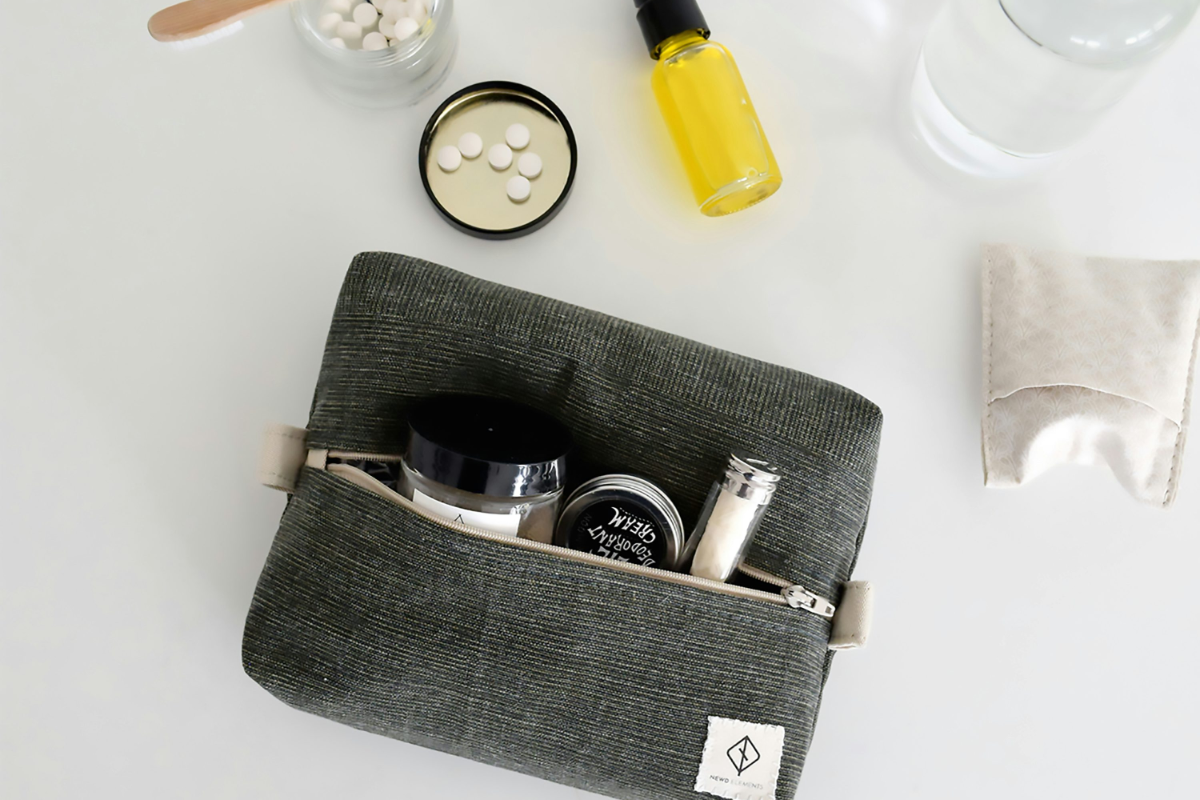
A routine should be easy to repeat. These templates are starting structures, not prescriptions. Adjust them to the instructions on the products you own and to how your skin responds.
The most useful test is consistency: if the routine is comfortable enough to follow and each step has a clear purpose, it is already doing more for decision quality than a complicated routine built from overlapping products.
- Dry or sensitive-leaning: gentle cleanse → hydrating lotion if useful → richer moisturizer → daytime sunscreen.
- Normal or combination: simple cleanse → light lotion or skip → light moisturizer → daytime sunscreen.
- Makeup or water-resistant sunscreen: oil or makeup-removing cleanser → follow-up cleanse only if the product/routine calls for it → hydration → moisturizer.
- When testing a new product: change one step first so you can better identify comfort or irritation.
FAQ
- Do I need a 10-step Japanese skincare routine?
- No. A cleanser, moisturizer and daytime sunscreen can form a complete practical base, with a hydrating lotion added only when it improves comfort or routine fit. More steps are not automatically more effective.
- Is Hada Labo lotion the same as a Western body lotion?
- Usually not. In Japanese facial skincare, “lotion” commonly means a watery post-cleansing hydrating product. Check the specific product directions because English naming can vary by market.
- Are Japanese quasi-drugs stronger than cosmetics?
- Do not use the category as a simple strength ranking. Quasi-drugs and cosmetics have different regulatory treatment and permitted claims in Japan. Judge the exact product by its approved claims, ingredients, directions and warnings.
- Can sensitive skin use Japanese skincare products?
- Possibly, but nationality is not a safety category. Read the exact ingredient list and warnings, introduce unfamiliar products carefully, and stop use if the product causes abnormal skin reactions. Seek professional advice when symptoms are significant or persistent.
- Should I buy the Japan-only version of a product?
- Only when you can verify the exact product, seller, ingredients and instructions. A version sold in another market may differ in formulation or labeling, so reviews of one version should not automatically be applied to another.
Official References
- Ministry of Health, Labour and Welfare — Cosmetics and Quasi-Drugs
- Japan Cosmetic Industry Association — Safety and Science
- Rohto Pharmaceutical — Hada Labo Gokujyun Hyaluronic Lotion
- Kao — Curél Intensive Moisture Facial Cream
- Kao — Bioré UV Aqua Rich Airy Hold Cream nationwide launch
- DHC — Medicated Deep Cleansing Oil
Build the Routine Before You Build the Cart
A simple routine is easier to evaluate than a basket of unrelated products. Start with the job each step must do: remove sunscreen or makeup, cleanse, add hydration when useful, moisturize, and protect from UV exposure.
Only add a product when it fills a clear gap. This reduces duplicate functions, makes irritation easier to trace and prevents “best product” lists from turning into unnecessary shopping lists.
For overseas orders, compare ingredient information, package size, seller authenticity, return terms and shipping restrictions before choosing the retailer. Japan-only cosmetics can face carrier or destination restrictions, so a proxy route should only be used when the service explicitly accepts the item.
Final Thoughts
The best Japanese skincare routine is the one that stays understandable. Use cleansing only as strongly as your routine requires, add hydration when it helps, choose a moisturizer by comfort and finish, and treat sunscreen as a clearly labeled daytime step. Product fame can narrow the shortlist, but exact formula, instructions, seller authenticity and your own tolerance should make the final decision.