Watoria Guide
Tea Ceremony in Japan: What to Expect, Etiquette and How to Book
Choose and prepare for a Japanese tea ceremony by understanding the format, host-guest relationship, beginner etiquette, provider quality, accessibility and booking terms.
- Quick Answer
- What You’ll Learn
- Who This Experience Suits
- What to Expect During a Visitor Tea Ceremony
- Beginner Etiquette: Follow the Host Rather Than Memorizing Everything
- How to Judge Quality Before Booking
- Booking, Cost and Cancellation Factors
- Accessibility: Ask About the Exact Room, Not Just the Brand
- Dietary Needs, Matcha and Sweets
- Photography, Clothing and Respectful Participation
- Choosing the Right Booking Route
- FAQ
- Related Guides
- Official References
- What to Ask Before You Book a Tea Ceremony
- Final Thoughts
- Keep exploring Japanese culture
- Continue to the best buying / booking route
- Continue exploring
- Discover more Japan
- Primary sources
Quick Answer
A good visitor tea ceremony should help you understand the host-and-guest relationship, matcha preparation, utensils, sweets and basic etiquette without pretending that a short session is equivalent to formal chado study. Expect an abbreviated experience rather than a full chaji: many visitor programs explain the room and utensils, demonstrate preparation, serve a sweet and matcha, and may let guests whisk a bowl themselves. Beginners do not need perfect etiquette. Follow the host's instructions, bow when guided, handle the bowl carefully and ask before taking photos. Before booking, compare group size, instructor background, English or other language support, hands-on participation, duration, accessibility, dietary information, photography rules and cancellation terms. If floor seating or steps are a concern, ask about chairs, ramps and the exact room before paying.
What You’ll Learn
- What a visitor-oriented Japanese tea ceremony usually includes and how it differs from a full formal gathering.
- Why chado centers on the relationship between host and guest rather than simply drinking matcha.
- Which beginner etiquette points matter and which mistakes are normally handled gently.
- How to compare group size, instructor quality, language support and hands-on participation.
- What to ask about tatami seating, stairs, wheelchair access, allergies and photography.
- How to read cancellation and confirmation terms before building the rest of a day around the booking.
Who This Experience Suits
Tea ceremony suits travelers who want a structured cultural experience rather than a quick photo stop. It is especially rewarding if you are interested in hospitality, seasonal aesthetics, ceramics, matcha, architecture or the disciplined relationship between a host and guests.
Urasenke describes chado as the 'way of tea' and emphasizes host and guest sharing a meaningful, once-in-a-lifetime moment over a bowl of matcha. That framing is useful for visitors because it explains why the experience is not simply a beverage tasting.
A beginner does not need prior knowledge. The strongest visitor programs make unfamiliar gestures understandable instead of testing whether guests already know them.
- Good fit for first-time cultural learners and repeat visitors who want more context.
- Good fit for travelers interested in matcha, ceramics, hospitality and seasonal design.
- Less suitable if you only want a fast photo session and do not want to follow a guided sequence.
- Choose a shorter visitor session if a multi-hour formal gathering would not fit your schedule.
What to Expect During a Visitor Tea Ceremony
JNTO explains that full formal tea gatherings can last several hours, while many venues offer abbreviated versions for visitors. A typical beginner session may introduce the tea room, utensils and seasonal elements, serve a Japanese sweet, demonstrate matcha preparation and explain how the guest receives and drinks the tea.
Procedures differ among tea schools, so small variations are normal. JNTO notes that schools have their own customs, and Urasenke's own materials present chado as a discipline that continues far beyond a one-time demonstration.
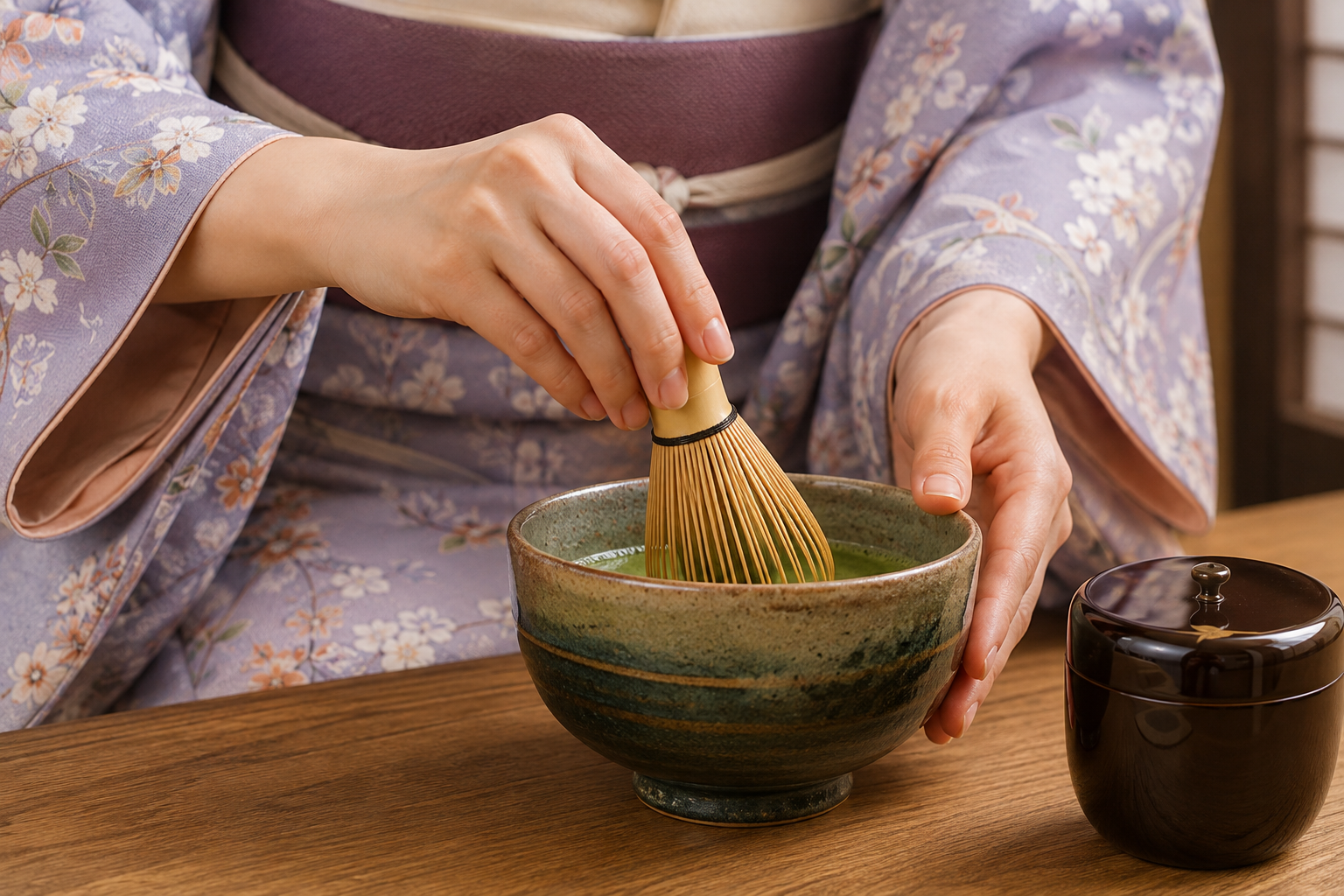
Some visitor programs also let guests whisk matcha themselves. JNTO's description of a Kyoto MAIKOYA experience, for example, says an English-speaking guide explains the process and participants have an opportunity to perform part of the ritual.
- Expect explanation, demonstration and usually matcha plus a sweet.
- Do not expect a short tourist session to reproduce an entire formal chaji.
- Ask whether the experience is observation-only or includes hands-on whisking.
- Check whether kimono dressing, photography or extra activities are included or separate.
Beginner Etiquette: Follow the Host Rather Than Memorizing Everything
Visitor etiquette is easier than many first-time guests imagine. JNTO states that minor faux pas are generally overlooked in demonstration-oriented experiences and that formal attire is not required for ordinary visitor sessions.
Common guidance may include bowing when invited, receiving the bowl respectfully, turning it before drinking and appreciating the utensils or setting. Exact details vary by school and host, so copying a rigid internet checklist can be less useful than following the instructions in the room.
A respectful guest pays attention, handles objects carefully and recognizes that the host has arranged the setting for that particular occasion. Urasenke's explanation of chado places consideration for the guest at the center of the practice.
- Arrive on time and follow the host's sequence.
- Remove shoes when the venue requires it.
- Handle bowls and utensils only as instructed.
- Ask before photography and keep flash off when the venue requests it.
How to Judge Quality Before Booking
A strong experience page tells you what you will actually do, not only that the setting is 'authentic.' Look for clear duration, group size, instructor or host information, language support, whether guests make tea themselves, what is served and how much cultural explanation is included.
Small-group and private sessions can offer more time for questions, but group size alone does not prove quality. A knowledgeable host who explains why movements, utensils and seasonal choices matter is more valuable than a highly staged room with little context.
Be cautious with claims that imply one short session makes participants proficient in tea ceremony. Formal chado is a long-term discipline; a visitor experience should present itself honestly as an introduction.
- Clear host or instructor background.
- Specific description of what guests observe and perform.
- Transparent group size and language support.
- No exaggerated claim that a short session equals formal mastery.
Booking, Cost and Cancellation Factors
Compare the complete experience rather than headline price. Check whether the fee includes matcha, sweets, kimono, photography, private instruction or other add-ons. Watoria does not publish or guarantee live prices, so the provider's current booking page is the final source.
Cancellation rules can differ even within one operator. Camellia's current Flower Annex information, for example, publishes different refund cutoffs for private and group tea ceremonies. This is exactly why the rule for the specific room and booking type must be read before payment.
Also confirm whether a booking is instant or request-based. Do not build an inflexible schedule around an experience that has not yet been confirmed.
- Check what is included before comparing price.
- Read the exact cancellation cutoff for the chosen experience.
- Confirm whether the reservation is instantly confirmed or requested.
- Save the booking confirmation and the terms that applied when you paid.
Accessibility: Ask About the Exact Room, Not Just the Brand
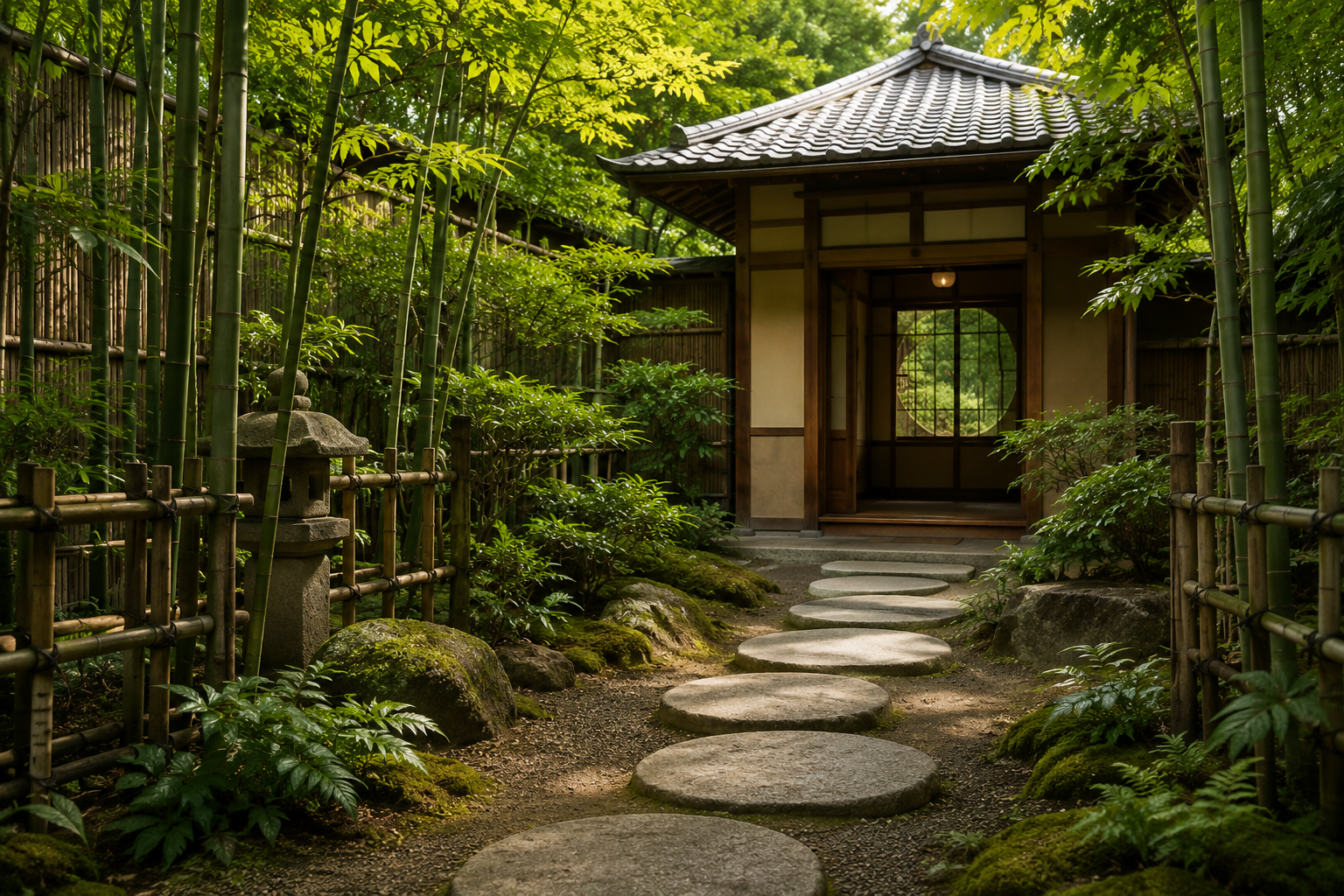
Traditional tea rooms often involve tatami, raised floors, narrow entrances or floor seating, but accessibility varies by venue. A provider can have one accessible room and another room that is not accessible.
Camellia's current accessibility page is a useful example: its Garden Teahouse is described as wheelchair accessible with ramps, while some Flower Teahouse and private Annex rooms involve stairs. The lesson is to confirm the exact room attached to your booking.
If kneeling is difficult, ask whether chairs are available. If you use a wheelchair or have another mobility, sensory or assistance need, contact the venue in advance and request a specific answer rather than assuming from photographs.
- Ask whether entrance, tea room and restroom are step-free.
- Ask whether chairs can replace seiza floor seating.
- Confirm wheelchair dimensions or assistance requirements when relevant.
- Get accessibility details for the exact room and booking type.
Dietary Needs, Matcha and Sweets
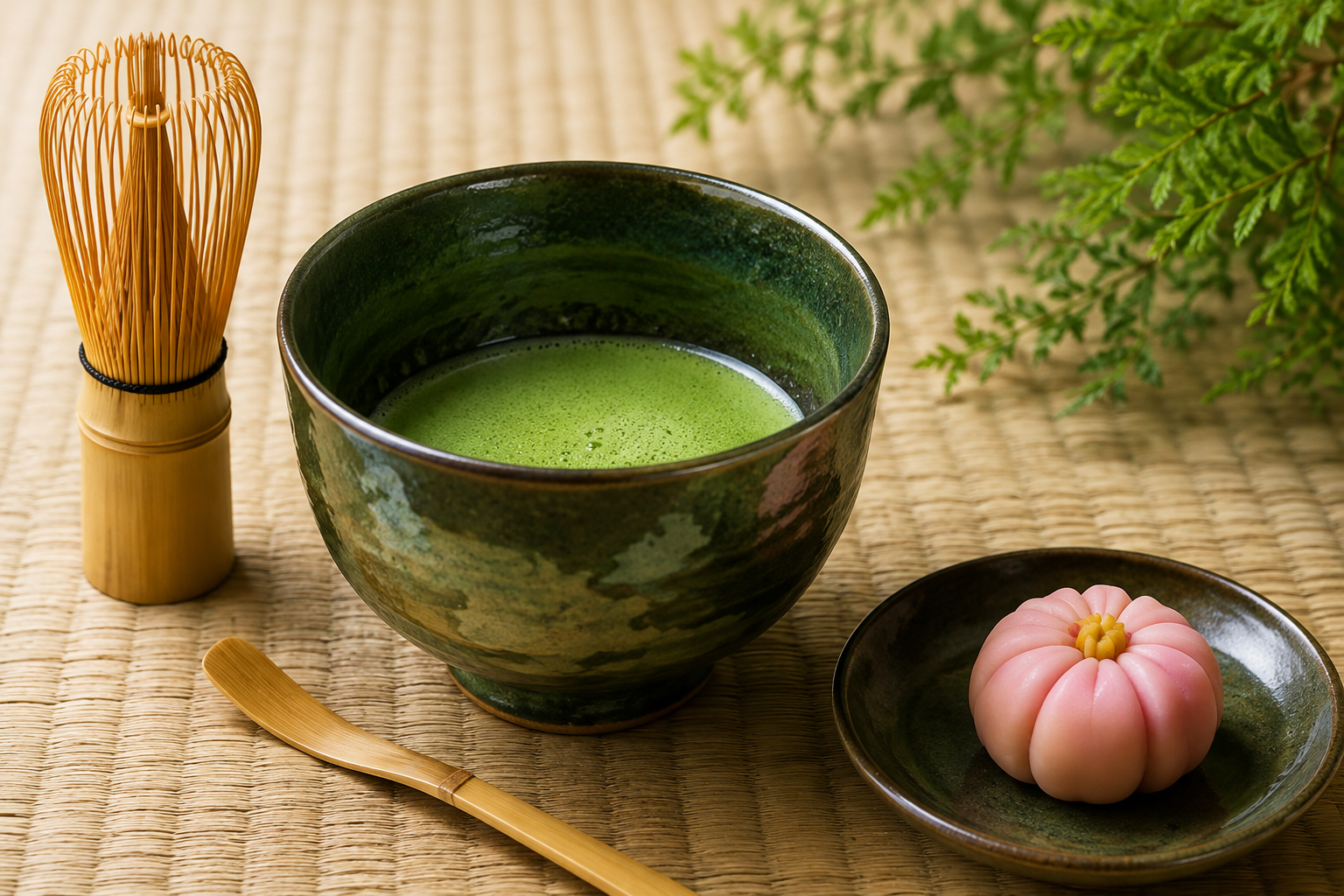
Tea ceremony commonly pairs matcha with a seasonal sweet. The sweet is not merely decoration; it is part of the sequence and helps balance the taste of matcha.
Ingredients vary by venue, season and supplier. If you have allergies, vegan requirements, gluten concerns or religious restrictions, ask the provider directly before booking. Do not assume that a traditional sweet is automatically free from a particular ingredient.
Camellia currently states that its sweets are vegan, gluten free and nut free for the referenced experience, while also asking guests with allergy concerns to contact the venue. Treat that as provider-specific information, not a universal rule for Japanese tea ceremonies.
- Confirm allergies directly with the operator.
- Do not generalize one venue's sweet ingredients to other venues.
- Ask whether matcha or another beverage can be adjusted if necessary.
- Tell the provider about serious dietary needs before arrival.
Photography, Clothing and Respectful Participation
Ordinary clothing is generally acceptable for visitor tea ceremonies unless the provider states otherwise. JNTO notes that formal demonstration experiences for visitors do not normally require formal dress.
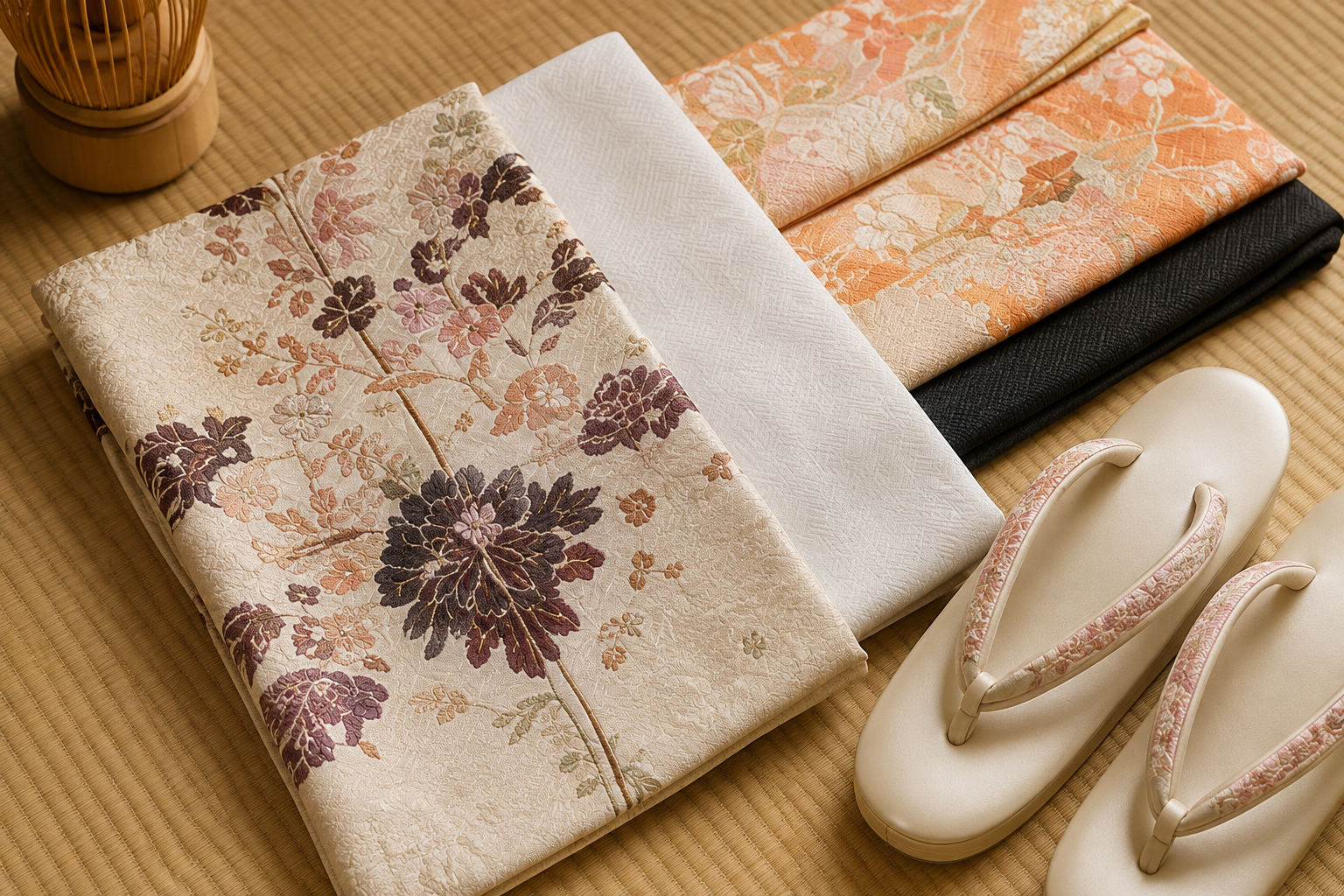
Kimono can add cultural context when a provider offers proper dressing and explanation, but it is optional. Choose it because you want the clothing experience, not because you think tea ceremony is invalid without it.
Photography rules vary. Camellia's current information allows photos during its experience while asking guests to turn off flash and respect other guests, and it prohibits video in the referenced program. Always follow the exact venue's policy.
- Wear clean, comfortable clothing unless the venue specifies otherwise.
- Kimono is optional unless the booked program explicitly includes it.
- Ask before photographing the host, other guests or private spaces.
- Respect no-flash, no-video and privacy rules.
Choosing the Right Booking Route
Use a provider or booking platform that clearly identifies the operator, venue, activity format and cancellation terms. Official provider pages are strongest for room-specific access information and current operational rules; reputable booking platforms can be convenient when they show the same details clearly.
A tea ceremony is a cultural service, so provider quality matters more than finding the largest discount. Prioritize a clear description, qualified instruction, realistic group size and transparent policies.
Watoria is an editorial guide, not a booking operator. Availability, current price, confirmation, changes and refunds are controlled by the provider or booking platform you choose.
- Prefer listings that identify the real operator and venue.
- Compare teaching quality and participation format before discounts.
- Read the provider's current access and cancellation pages.
- Keep booking and payment records until the experience is complete.
FAQ
- Do I need to know tea ceremony etiquette before I go?
- No. Beginner programs are designed to guide first-time guests. JNTO notes that minor mistakes are generally overlooked. Follow the host's instructions rather than trying to memorize a full formal procedure beforehand.
- How long does a Japanese tea ceremony take?
- A full formal gathering can last several hours, while visitor-oriented experiences are usually abbreviated. Check the exact provider's stated duration because formats vary widely.
- Do I have to sit in seiza on the floor?
- Not always. Some venues offer chairs or accessible alternatives, while others use traditional floor seating. Ask the exact venue before booking if kneeling is difficult.
- Can I wear normal clothes to a tea ceremony?
- Yes for most visitor experiences. JNTO says formal attire is not required for ordinary demonstrations aimed at visitors. Follow any specific clothing rules stated by your provider.
- Can I take photos during a tea ceremony?
- It depends on the venue. Some providers allow photos with no flash but restrict video or photography of other guests. Check and follow the exact policy for your booking.
- How do I choose a high-quality tea ceremony experience?
- Look for clear host or instructor credentials, a specific description of what you will learn and do, transparent group size, language support, accessibility information and published cancellation terms.
Official References
What to Ask Before You Book a Tea Ceremony
Confirm the language used during the session, approximate duration, group size, whether you will prepare tea yourself, what sweets are included, photography rules, seating style and any accessibility limitations. These details affect the experience more than a decorative room photo.
If kimono dressing is included, check whether dressing time is part of the advertised duration and whether the booking explains sizing, weather and cancellation rules.
Watoria currently has a tracked Viator route for a Kyoto tea-and-kimono experience. Check the live listing for current inclusions and terms before booking.
Final Thoughts
A tea ceremony in Japan is best approached as an introduction to a living practice of hospitality, attention and seasonal aesthetics, not as a checklist of gestures to perform perfectly. Choose a provider that explains the host-guest relationship and gives beginners enough context to understand what they are seeing. Confirm group size, language, hands-on participation, accessibility, dietary needs, photography rules and cancellation terms before paying. Then arrive ready to follow the host rather than prove what you already know. That combination usually creates a more respectful and more memorable experience than choosing by the most dramatic room or costume photographs alone.