Watoria Guide
Best Japanese Food, Tea and Sweets to Buy Online: A Beginner’s Guide
A practical beginner’s guide to choosing Japanese tea, sweets, snacks and pantry items online, with tips on labels, shelf life, gifting and import basics.
- Quick Answer
- What You’ll Learn
- Japanese Tea, Sweets and Pantry: Culture, Regions and Gifts
- Best-Fit Summary
- How to Choose (Step-by-Step)
- Comparison Criteria
- Recommended Option Types
- Authenticity, Labels and Allergens
- Storage, Shipping and Climate
- Buying Routes (What to Expect)
- FAQ
- Related Guides
- Sources & References
- Overseas-Buyer Decision Matrix
- Final Thoughts
- Keep exploring Japanese culture
- Continue to the best buying / booking route
- Discover more Japan
- Primary sources
Quick Answer
Start by clarifying your purpose: daily enjoyment, casual sharing or formal gifting. For everyday use, Japanese green teas (sencha, hojicha, matcha sticks) and shelf-stable snacks like senbei or yokan are practical first choices. For gifts, look for individually wrapped wagashi or tea assortments in seasonal packaging. Check labels for allergens and date marks (賞味期限 for best-before, 消費期限 for use-by), and avoid heat-sensitive chocolate or fresh cream sweets in hot weather. Choose a buying route that matches your needs: official maker shops for detailed information, specialty grocers for curated picks, and large marketplaces for broad selection. Start with small quantities, compare a few styles, and focus on clearly labeled, shelf-stable products that match your climate, storage space and dietary needs.
What You’ll Learn
- Key categories of Japanese products to consider online: tea, sweets, snacks, pantry staples and gift sets.
- How Japanese regional culture and gifting customs influence tea and sweets choices.
- How to match product types to purpose, climate, shelf life and dietary needs.
- What to look for on Japanese food labels, including date marks and common allergen terms.
- How to compare items by prep required, heat sensitivity, gifting suitability and storage needs.
- What to expect from common buying routes like maker-direct shops, specialty grocers, marketplaces, subscription boxes and local stores.
Japanese Tea, Sweets and Pantry: Culture, Regions and Gifts
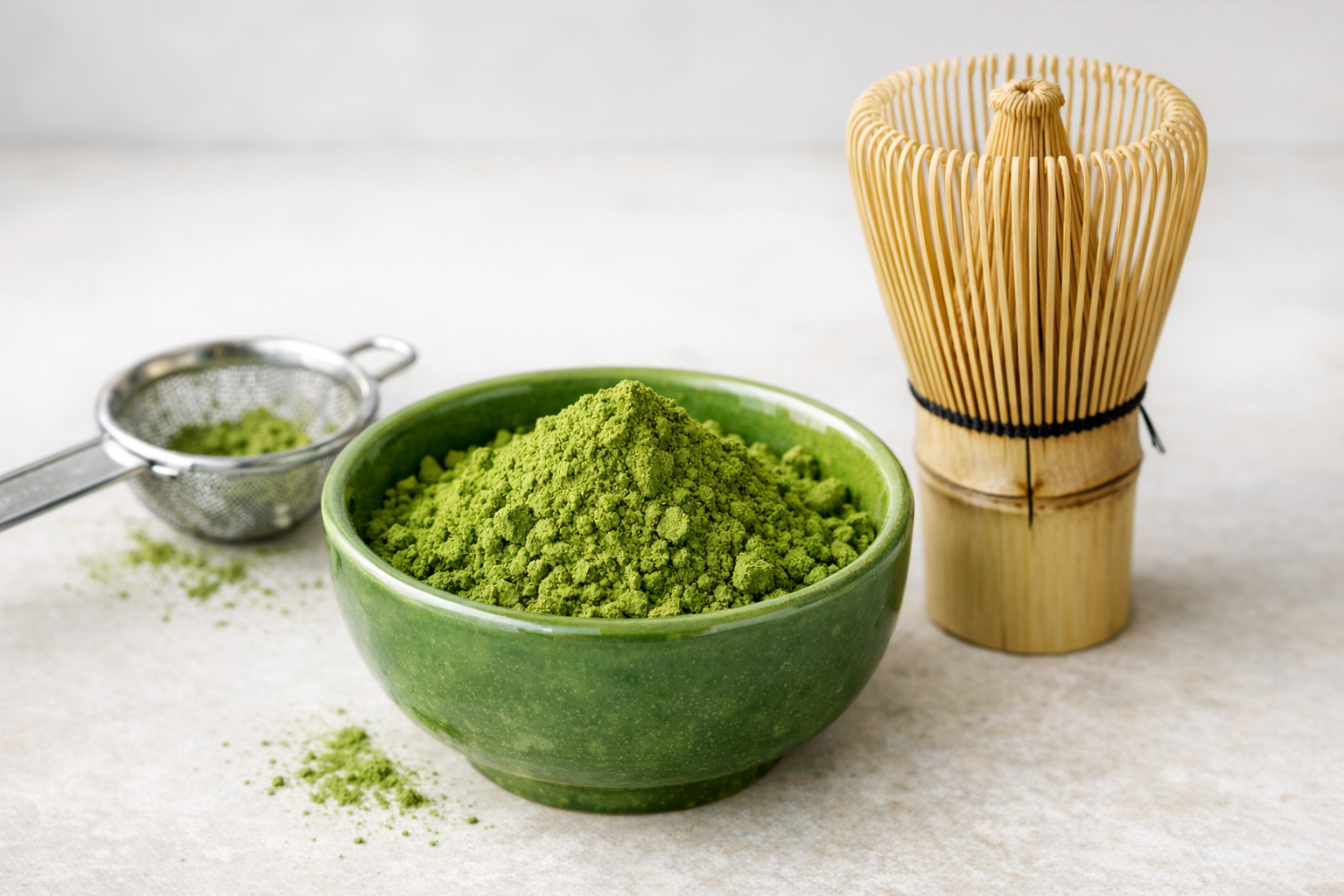
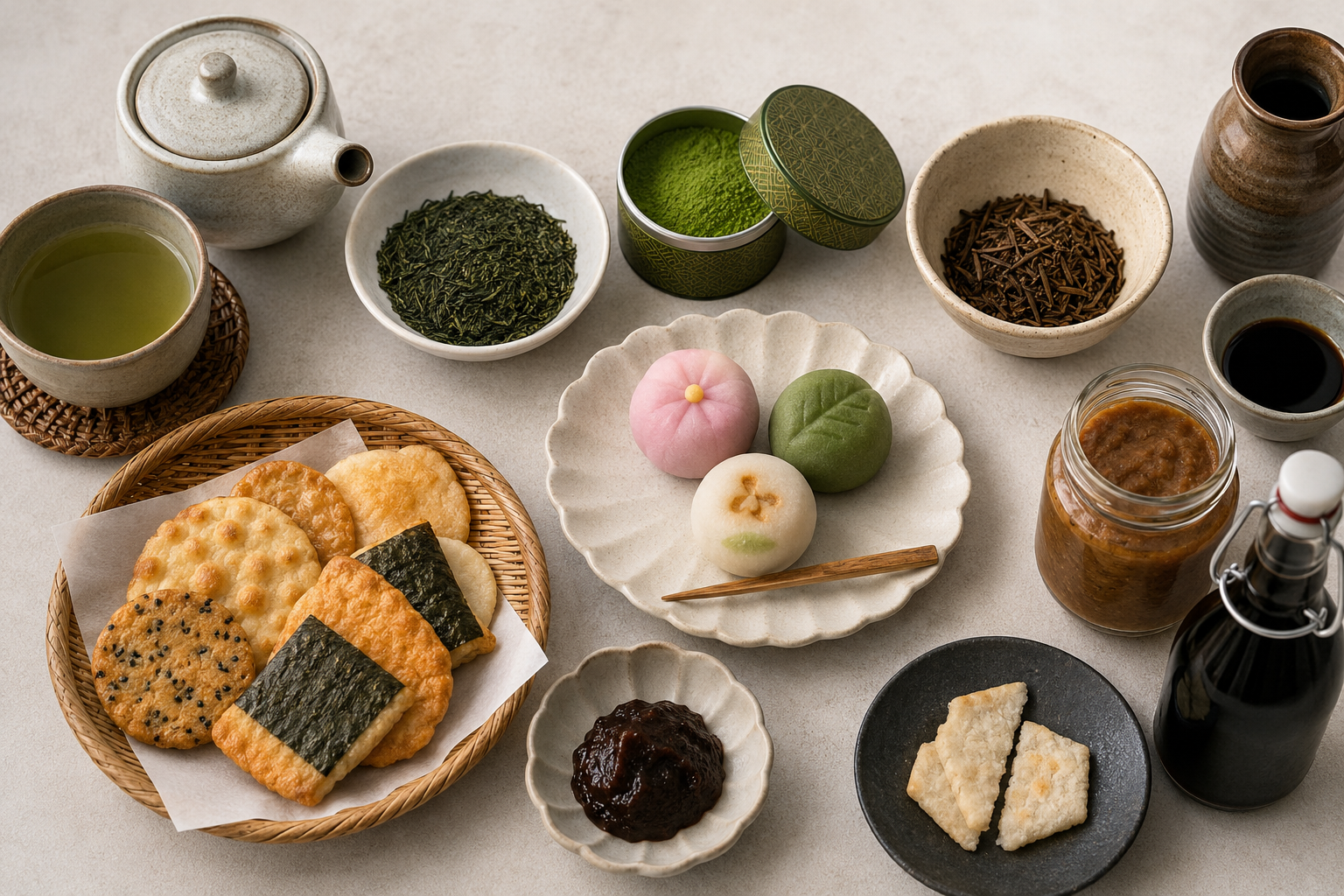
Japanese tea is not a single flavor—it spans bright, steamed sencha; shaded gyokuro; stone-milled matcha; nutty, roasted hojicha; and blends like genmaicha (with roasted rice). Regions are proud of their styles: Shizuoka and Kagoshima are major green tea producers, while Uji (Kyoto) is long associated with refined matcha and gyokuro traditions. Each style differs in leaf treatment, shading, steaming and roasting, which shape aroma, body and brewing approach.
Wagashi (traditional sweets) are shaped by the seasons: spring’s cherry blossom motifs; summer’s translucent kuzu jellies; autumn’s chestnut treats; and New Year confections with auspicious designs. Many are filled with sweet bean paste (anko), though modern variations also use chestnut, sesame or yuzu. Some wagashi are short-dated and best fresh; others are shelf-stable for gifting and travel.
Pantry items—soy sauce, miso, vinegar, furikake, dashi stock, noodles and condiments—anchor everyday cooking. They vary by region and method (e.g., long-fermented miso vs. light, sweet styles). Snacks range from savory rice crackers (senbei) and okaki to chocolate-coated biscuits and potato chips with Japanese flavors.
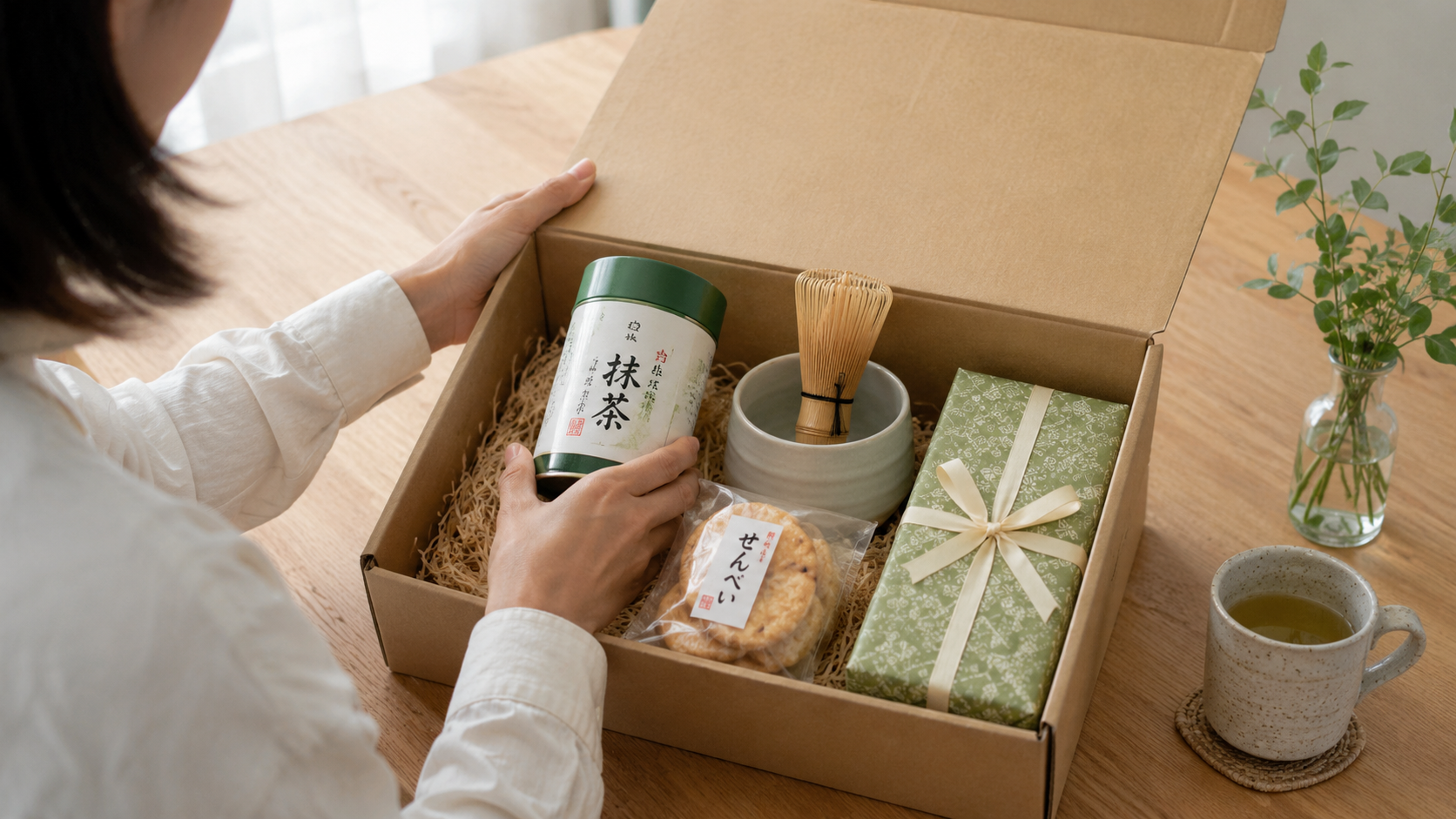
Gift culture matters. Presentation, seasonal themes and individually wrapped items are appreciated. A compact tea assortment, a box of neatly wrapped sweets, or a regional specialty (meibutsu) can all be appropriate. When sending abroad, choose shelf-stable items with clear labeling and packaging that protects shape and appearance.
Best-Fit Summary
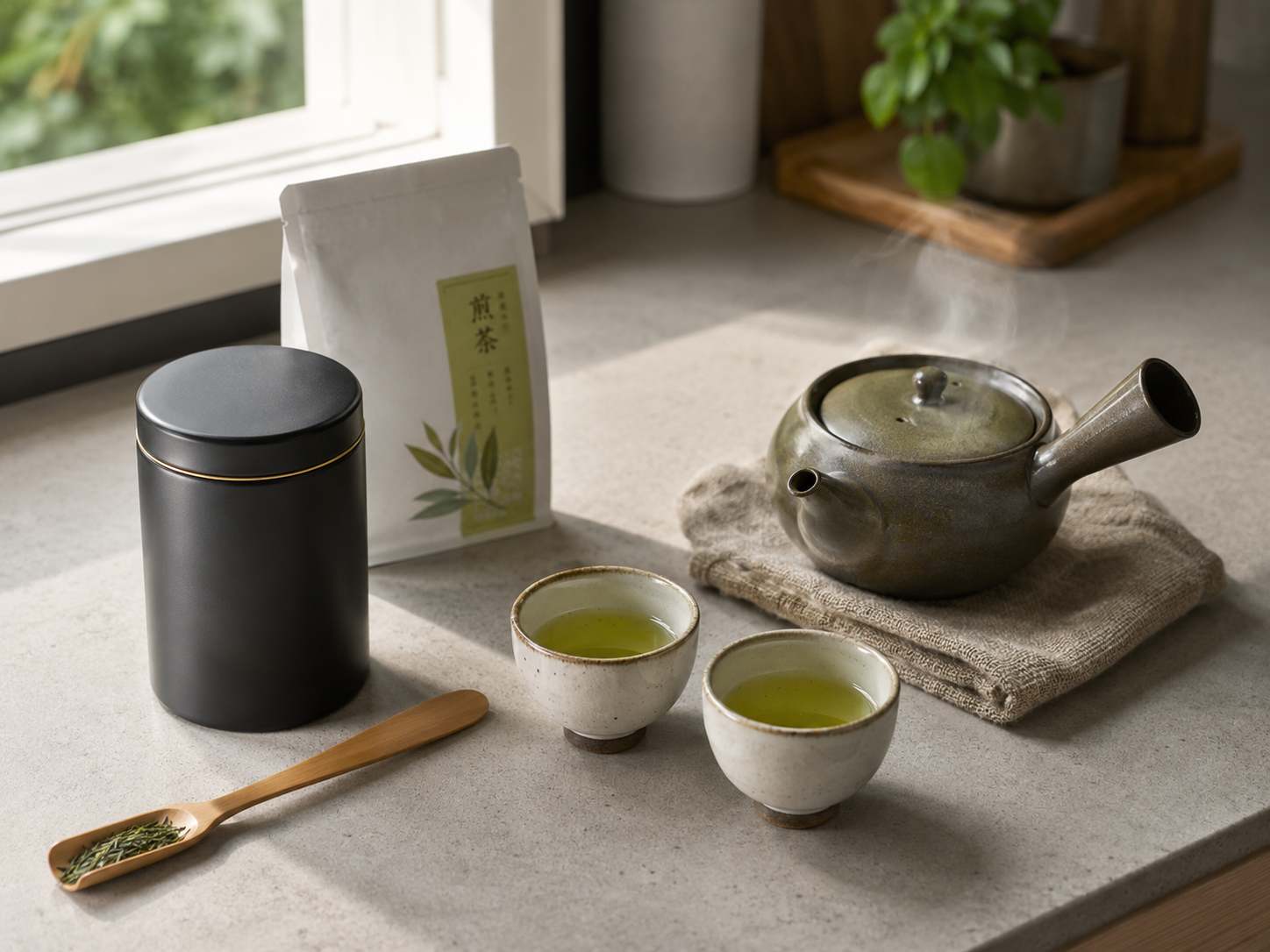
- If you want a simple daily tea: choose sencha or hojicha in small packs. Hojicha often tastes mellow and can be easier to brew casually. Matcha sticks offer convenience for travel or the office.
- If you want a formal yet practical gift: select a tea assortment with seasonally designed packaging or a box of individually wrapped wagashi. Add a short message card.
- If your climate is hot or shipping may take time: prefer teas, senbei, hard candies or jellies with longer shelf life; avoid soft chocolate or fresh cream confections.
- If you have dietary restrictions: read labels closely; consider plain teas and simple rice crackers. For sweets, check for common allergens and animal-derived ingredients.
- If you’re exploring tastes: buy starter samplers—multiple small teas or mixed snack boxes—to discover favorites before buying larger sizes.
How to Choose (Step-by-Step)
- Clarify purpose. Daily drinking, sharing, or gifting will steer you toward different formats (loose-leaf vs. sticks; individually wrapped sweets vs. larger bags).
- Match to climate and timing. In warm months or long shipping windows, avoid heat-sensitive and very short-dated items.
- Check ingredients and potential allergens. Simpler products are often easier to evaluate. Translate labels if needed.
- Plan storage space. Teas want cool, dry, dark places; sweets and snacks prefer sealed containers once opened. If you lack storage, buy smaller quantities.
- Choose a buying route that fits your need for detail, curation and support: maker-direct for in-depth product information; specialty stores for beginner-ready selections; marketplaces for wider choice with platform-level buyer support depending on the marketplace and seller.
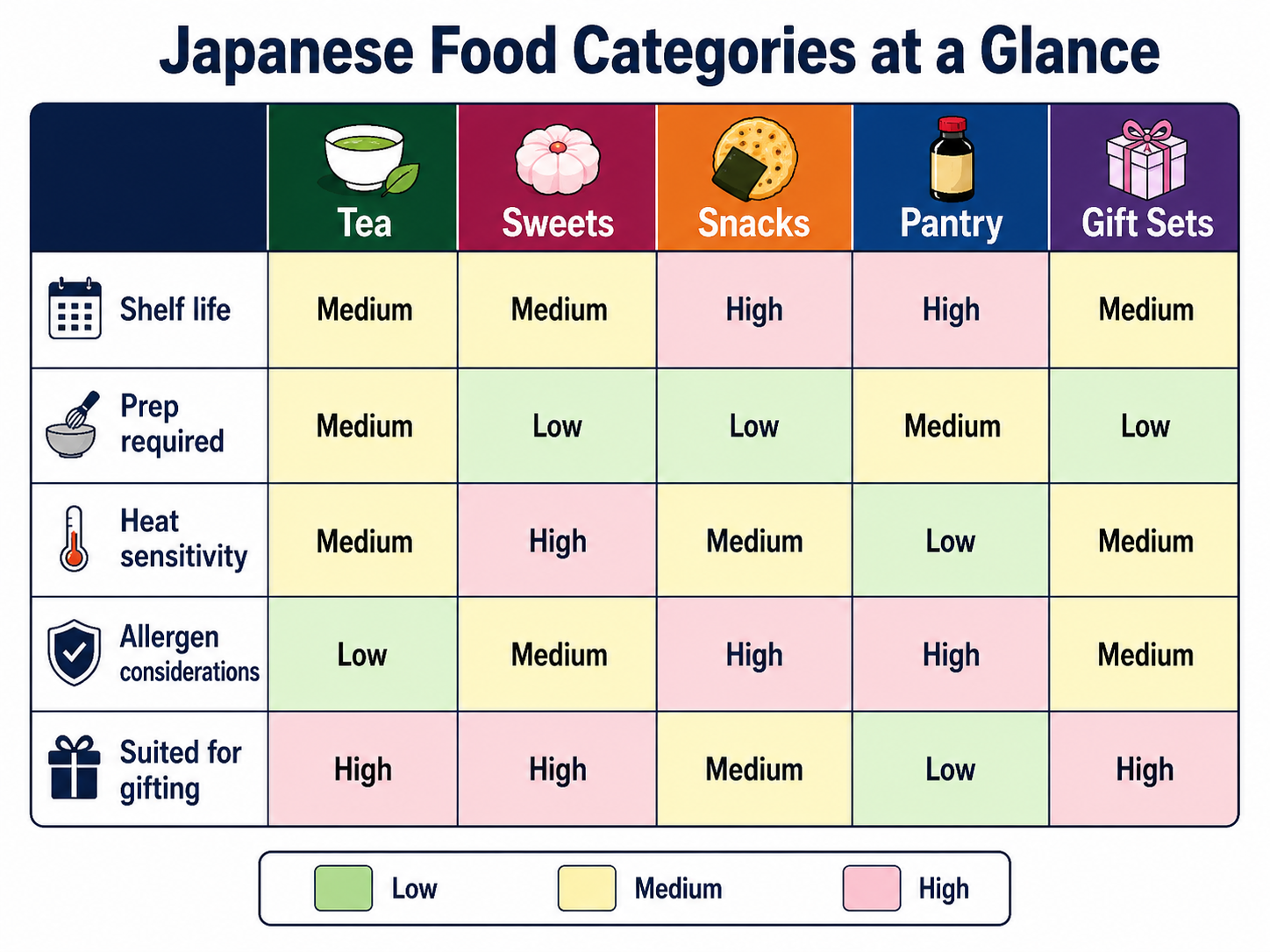
Comparison Criteria
Use these criteria to compare categories quickly:
- Shelf life: how long the item typically keeps unopened.
- Preparation required: from ready-to-eat to careful brewing or cooking.
- Heat sensitivity: risk of melting, warping or flavor loss in warm transport.
- Allergen considerations: likelihood of common allergens (varies by product).
- Gifting suitability: packaging, portioning and presentation.
Recommended Option Types
- Tea
– Sencha (steamed green tea): versatile daily drink; look for small, airtight packs to keep aroma.
– Hojicha (roasted tea): toasty, mellow profile that many enjoy in the evening. Caffeine content can vary by product and brew.
– Matcha (powdered tea): sold in tins or single-serve sticks. Grade names (e.g., “ceremonial” vs. “culinary”) are not standardized across all sellers; evaluate by intended use and taste notes.
– Genmaicha (green tea with roasted rice): comforting and food-friendly; forgiving to brew.Traditional sweets (Wagashi)
– Individually wrapped cakes or manju: practical for gifts and sharing. Check fillings for wheat, egg or dairy.
– Yokan (sweet bean jelly blocks): often shelf-stable and sliceable; clear labeling helps with allergens.
– Seasonal jellies and chestnut sweets: beautiful presentation; confirm shelf life before international shipping.Snacks
– Senbei and okaki (rice crackers): many flavors and textures; simpler seasoning lists are easier to assess.
– Hard candies and gummies: generally travel well; watch for gelatin if avoiding animal products.
– Chocolate-coated or cream-filled snacks: enjoyable but heat-sensitive; choose cool-season shipping where possible.Pantry staples
– Soy sauce and vinegar: choose sizes you can finish in time; darker glass or packaging helps protect flavor.
– Miso: fermented paste; shelf-stable unopened; refrigerate after opening and use clean utensils.
– Dashi (stock) and furikake: convenient for quick Japanese flavors; check fish, sesame and soy on labels.
– Noodles (soba, udon, somen): dry formats travel well; soba may involve buckwheat—check for allergens.Gift sets
– Tea assortments: a refined, compact gift with broad appeal.
– Mixed sweets boxes: aim for individually wrapped pieces; seasonal designs elevate presentation.
– Regional specialties (meibutsu): meaningful for enthusiasts; confirm shelf life and packaging resilience.
Authenticity, Labels and Allergens
Labels are your most reliable guide. For Japanese packaged foods, look for the product name, ingredient list, net contents, storage instructions, and date marks. Two common date types: 賞味期限 (best-before) and 消費期限 (use-by). Best-before focuses on quality; use-by relates to safety and is usually shorter.
Allergen statements in Japan highlight specified ingredients. If you do not read Japanese, use a translation tool and verify key terms. Examples include wheat (小麦), egg (卵), milk (乳), soy (大豆), buckwheat (そば), peanut (落花生), shrimp (えび) and crab (かに). This list is illustrative, not complete, and products may contain other allergens such as sesame, tree nuts or gelatin. If you are highly sensitive, choose simpler products, consider contacting the seller for clarifications, and avoid items with uncertain labeling.
Authenticity cues may include producer addresses, regional indications, and recognized standards. For example, Organic JAS (Japan Agricultural Standards) products show a distinct green-leaf mark when certified. Note that not all quality terms are regulated the same way; descriptions like “premium” or “ceremonial” can vary by seller.
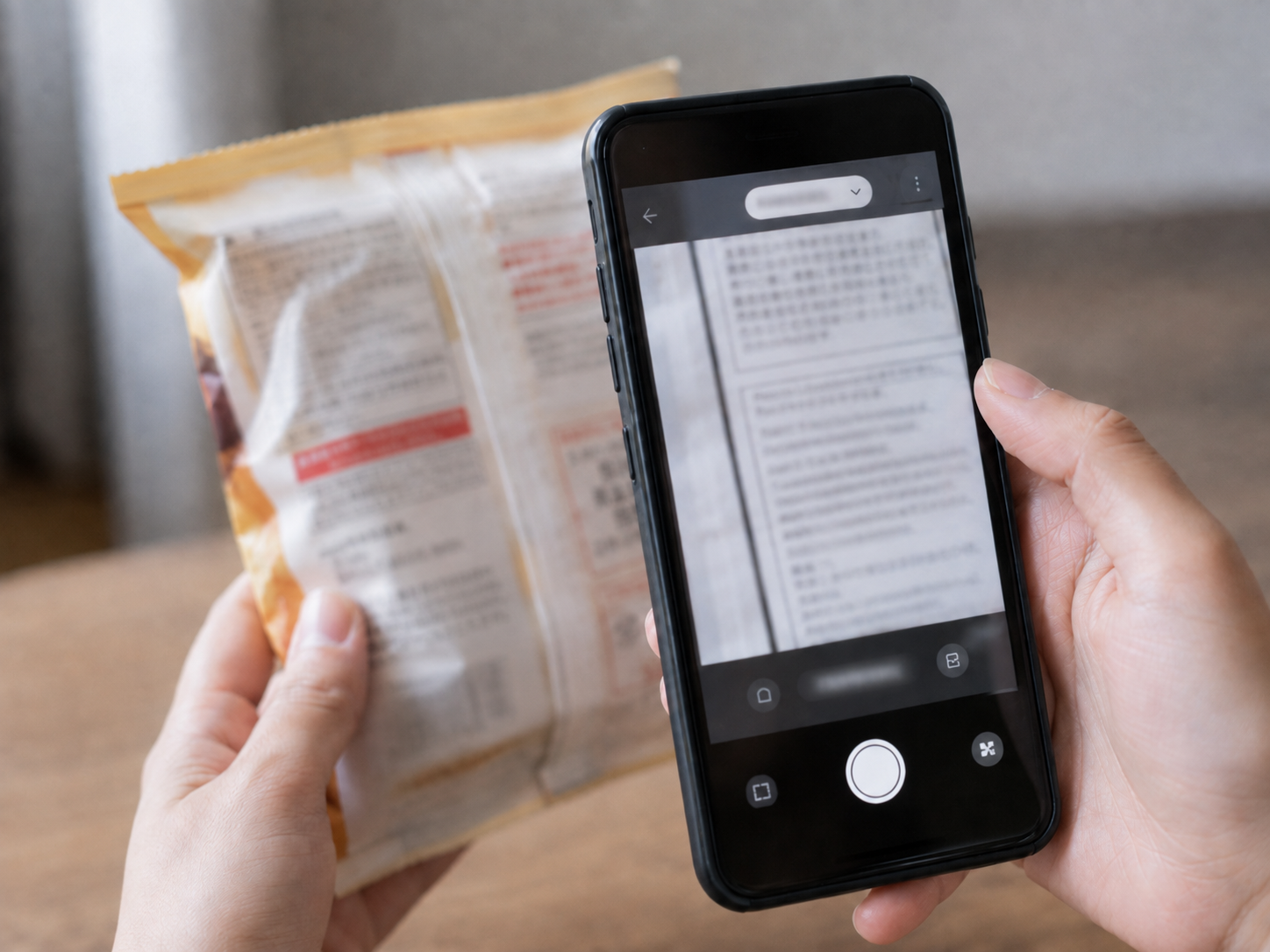
Tip: when translating labels, focus on the ingredients list and any allergen callouts first, then storage and preparation notes. If text is hard to capture, scan under bright, even light and compare multiple sources (package, insert card, and the seller’s product page).
Storage, Shipping and Climate
Tea: Keep sealed and away from heat, moisture, light and strong odors. Once opened, consider portioning into smaller airtight containers and consume within a reasonable window for best aroma. Avoid storing above ovens or in sunny spots.
Sweets and snacks: Store in a cool, dry place. Reseal bags or move contents to airtight containers. Heat-sensitive items (e.g., chocolate, cream-filled or delicate glazes) can deform in transit or warm rooms.
Pantry staples: Close caps tightly, wipe rims, and refrigerate items like miso after opening. Check any storage instructions on the label.
Customs and import rules: Regulations differ by destination country and can change. Even if an item is factory-sealed, ingredients of animal origin (such as meat, fish or dairy), seeds, and certain plant-derived materials may be restricted or require permits. Before purchasing, check the official guidance of the destination country’s customs, agriculture and quarantine authorities for what is allowed and any quantity limits or declarations required.
Buying Routes (What to Expect)
- Direct-from-maker or official brand shop
Useful when you want origin details or limited editions. These sources may offer detailed product information and recently produced stock. Selection can be narrower than large marketplaces, and international shipping options vary.Specialty online grocers and tea shops
Curated selections with guidance for beginners. Helpful tasting notes and starter sets are common. Shipping conditions and support depend on the specific store.Major online marketplaces
Broad selection across many sellers. Listing accuracy and packaging can vary by seller. Major online marketplaces may offer platform-level buyer support depending on the marketplace and seller; review seller ratings and product details before purchase.Subscription snack or tea boxes
Convenient for discovery and seasonal themes. Contents rotate and may introduce you to regional makers. Check for allergen disclosures and how heat-sensitive items are handled.Local Japanese or Asian grocery stores in the buyer’s country
No international shipping may be needed, but availability and freshness vary. Visiting in person lets you inspect packaging dates and storage conditions directly.
FAQ
- Is hojicha always low in caffeine?
- Hojicha is often perceived as gentler because roasting and leaf selection can reduce apparent intensity, but caffeine content varies by product and brewing method. If you are sensitive, brew lighter and choose products described as evening-friendly.
- What does “ceremonial” versus “culinary” matcha really mean?
- These terms are not standardized across all sellers. Many use “ceremonial” for finer textures and traditional whisking, and “culinary” for mixing into lattes or baking. Evaluate by flavor notes, origin details and intended use rather than the word alone.
- How long does sencha keep?
- Unopened, well-packaged sencha can keep quality for a period indicated by its best-before date. After opening, aroma tapers faster; buy smaller packs you can finish promptly and store them in a cool, dry, dark place.
- Can I ship chocolate or cream-filled snacks in summer?
- They are heat-sensitive and may deform or lose texture. If you must, choose the fastest viable shipping and insulated packing where available, or opt for non-melting alternatives in hot months.
- Are there gluten-free or vegan options?
- Possibly, but always verify ingredients and any certifications. Rice-based crackers can be candidates yet may include soy sauce or seasonings with wheat; sweets might use gelatin or dairy. Labels and seller information should guide your choice.
- Will customs let my food through if it’s sealed?
- Rules differ by country. Even sealed items can be restricted based on ingredients like meat, fish, dairy, seeds or certain plant materials. Check your destination country’s customs, agriculture and quarantine authorities before ordering.
Sources & References
- Consumer Affairs Agency (Japan) – Guidance related to food labelling and cross-border e-commerce (Specified Commercial Transactions Act)
- Consumer Affairs Agency (Japan) – Food labeling and allergen information under the Food Labeling Act (overview source)
- Ministry of Agriculture, Forestry and Fisheries (MAFF, Japan) – Export of processed foods and confirmation of destination-country rules
- Ministry of Agriculture, Forestry and Fisheries (MAFF, Japan) – Japan Agricultural Standards (JAS), including Organic JAS overview
- Japan Post – International Mail Service Availability (check current routes and suspensions)
- Destination-country authorities – Customs, food safety, agriculture and quarantine agencies for import rules and consumer guidance (for example, FDA and USDA for the United States)
Overseas-Buyer Decision Matrix
Tea: prioritize harvest or packing information, sealed packaging and a shipping route that does not expose the product to unnecessary heat or long delays.
Sweets: prioritize shelf life, ingredient clarity, individual wrapping and whether the product can legally enter your destination country.
Pantry staples: prioritize label readability, container integrity and the total weight of the order, because shipping can cost more than the food itself.
Watoria rule: choose the product first, then the buying route. A direct international seller is usually simpler when available; a Japan proxy is useful only when the item is Japan-only and the service accepts that product category.
If you need a Japan-only buying route, Remambo is one tracked proxy option. Check current restrictions, shipping methods and total landed cost before paying.
Final Thoughts
Buying Japanese tea, sweets, snacks and pantry items online is most rewarding when you match product type to your purpose, climate and labeling comfort. Start with small formats, learn how storage affects quality, and favor options whose ingredients and dates you can clearly understand. Whether you aim for an everyday tea ritual or a thoughtful seasonal gift, a deliberate approach will help you enjoy authentic flavors with fewer surprises.