Watoria Guide
Japanese Wellness Gifts: Tea, Bath, Incense and Self-Care Sets
A practical guide to Japanese wellness gifts, from tea and bath items to incense and self-care sets, with cultural context, selection criteria, label checks and respectful-use tips.
- Quick Answer
- What You’ll Learn
- Meaning and Historical Context: One Modern Gift Category, Several Traditions
- Key Types: Tea, Bath, Incense and Self-Care Sets
- How to Choose the Right Gift for the Recipient
- Tea Gifts: Choose by Flavor, Preparation and Presentation
- Bath Gifts: Follow the Product and the Bathtub Instructions
- Incense Gifts: Fragrance, Form and Fire Safety Matter
- Self-Care Sets: Read the Role, Ingredients and Usage Directions
- Respectful Use, Authenticity Checks and What to Avoid
- FAQ
- Related Guides
- Official References
- Gift-Safety Check Before You Choose the Prettiest Box
- Final Thoughts
- Keep exploring Japanese culture
- Continue to the best buying / booking route
- Continue exploring
- Useful guides
- Discover more Japan
- Primary sources
Quick Answer
A good Japanese wellness gift matches the recipient before it matches a trend. Tea works well for people who enjoy flavor and ritual; bath items suit recipients who already enjoy home bathing; incense is best for people who like fragrance and can burn it safely; and self-care sets are easiest to choose when the maker, ingredients, usage directions and product role are clear.
What You’ll Learn
- How tea, bath, incense and self-care gifts differ in purpose and cultural context.
- Which practical criteria matter most when choosing a gift for an overseas recipient.
- How to read product information without relying on exaggerated health or beauty claims.
- How to use incense and bath products respectfully and according to maker instructions.
- When to choose a simple, focused gift instead of a large mixed set.
Meaning and Historical Context: One Modern Gift Category, Several Traditions
‘Japanese wellness gifts’ is a modern umbrella term rather than a single historical category. Tea, incense, bathing and personal-care goods developed in different contexts, and each carries its own etiquette, materials and expectations.
Japanese tea has long been part of daily refreshment, hospitality and formal tea culture. Incense arrived in Japan in connection with Buddhism and later developed into refined forms of fragrance appreciation. Bathing has a deep place in everyday Japanese life, while modern self-care products combine domestic beauty culture with contemporary manufacturing and labeling standards.
That mix is exactly why these gifts can feel meaningful: they can offer a small daily ritual without pretending to represent all of Japanese culture.
- Tea: sensory, social and easy to share.
- Bath: practical and routine-based, but compatibility matters.
- Incense: fragrance-centered and culturally rich, with fire-safety requirements.
- Self-care: highly personal; ingredients, product role and recipient preference matter most.
Key Types: Tea, Bath, Incense and Self-Care Sets
Start by choosing the type of experience you want to give. A tea set is usually about taste and preparation. A bath set is about comfort and the bathing routine. Incense is about fragrance and atmosphere. A self-care set is about practical daily use.
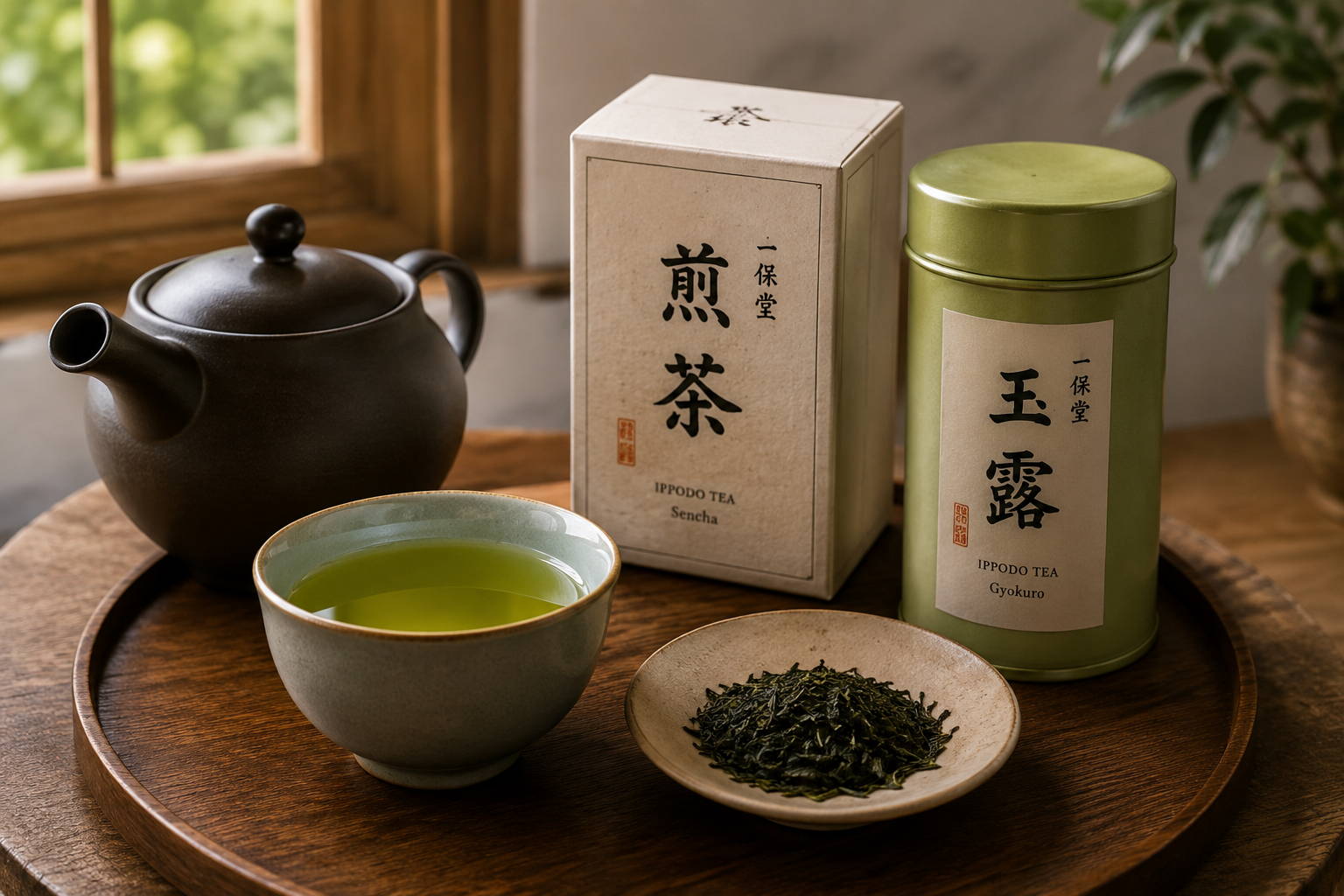
Within tea, common gift directions include sencha, matcha, hojicha and mixed assortments. Japanese green teas vary by cultivation and processing, so flavor, aroma, color and preparation method can differ significantly.
Incense also comes in several forms. Stick incense burns steadily, cones produce a stronger fragrance over a shorter period, and coils are designed for longer burn times. Those differences matter more than decorative packaging.
- Tea gifts: tea leaves, matcha, tea tins, cups or simple brewing tools.
- Bath gifts: bath additives, towels, small bathing accessories and clearly labeled care items.
- Incense gifts: sticks, cones or coils with a suitable holder or ash-catching plate.
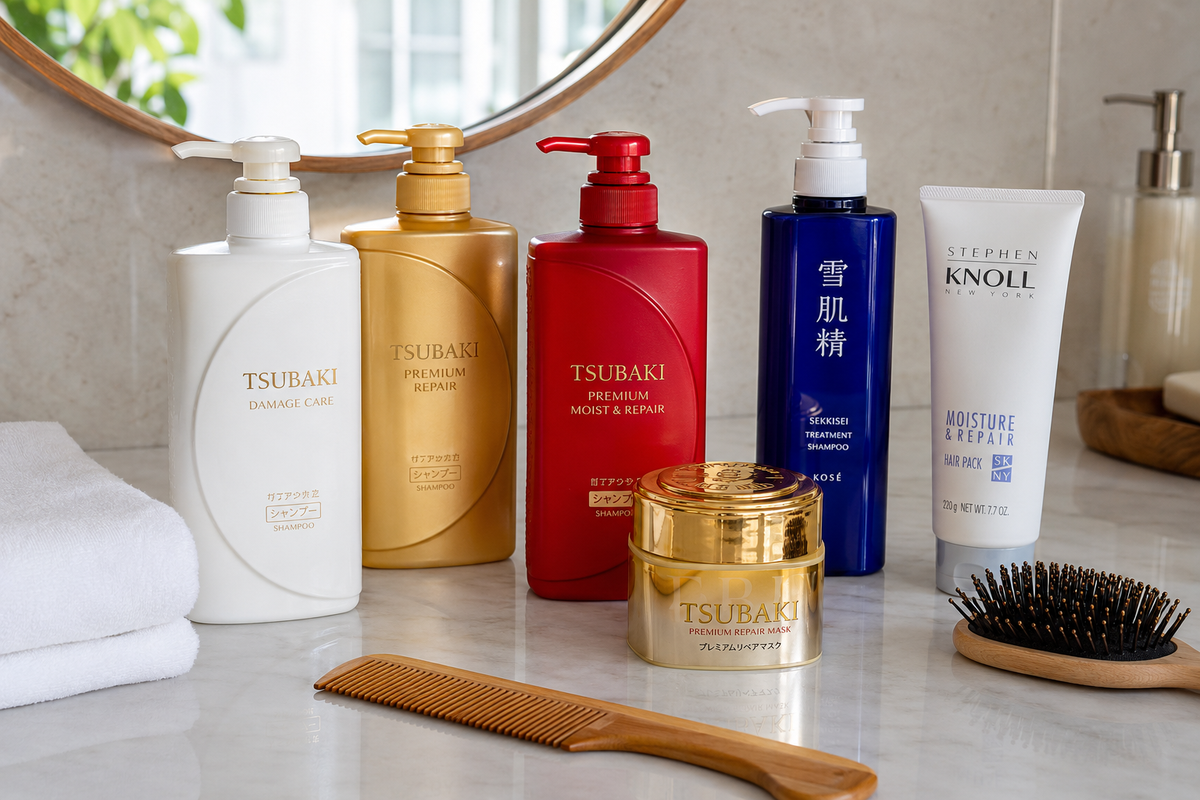
- Self-care gifts: skincare, haircare or body-care sets with a clearly defined routine.
How to Choose the Right Gift for the Recipient
The safest choice starts with the recipient’s habits. A beautifully packaged incense set is not useful for someone who dislikes fragrance, and a complex skincare routine is a poor gift for someone who prefers minimal products.
For overseas recipients, also consider how easy the item is to explain, store and use. Tea and dry incense are often simpler to understand than liquids, aerosols or highly specialized beauty products. For any product that will cross borders, check the seller and carrier rules rather than assuming every item can travel the same way.
- Fragrance preference: especially important for incense and scented bath goods.
- Dietary or ingredient concerns: important for edible tea accompaniments and personal-care products.
- Routine fit: choose products the recipient can realistically use.
- Storage and shelf life: simpler is usually better for international gifting.
- Instructions: prefer gifts with clear maker information and usable directions.
Tea Gifts: Choose by Flavor, Preparation and Presentation
Tea is one of the easiest wellness-oriented gifts to understand because the experience is direct: open, brew and taste. For a beginner, a clear tea type and simple preparation instructions are more valuable than an oversized assortment.
Sencha is a common everyday green tea, while matcha is powdered tea prepared differently from leaf tea. Hojicha has a roasted profile that feels very different from both. A thoughtful gift explains what the tea is and how the recipient should prepare it.
When presentation matters, a tin, cup or small brewing tool can make the set feel complete without making the routine complicated.
- Check the tea type and preparation method.
- Look for a clear best-before date and storage guidance.
- Choose sealed packaging that protects aroma and moisture.
- Avoid making health claims the producer does not make.
Bath Gifts: Follow the Product and the Bathtub Instructions
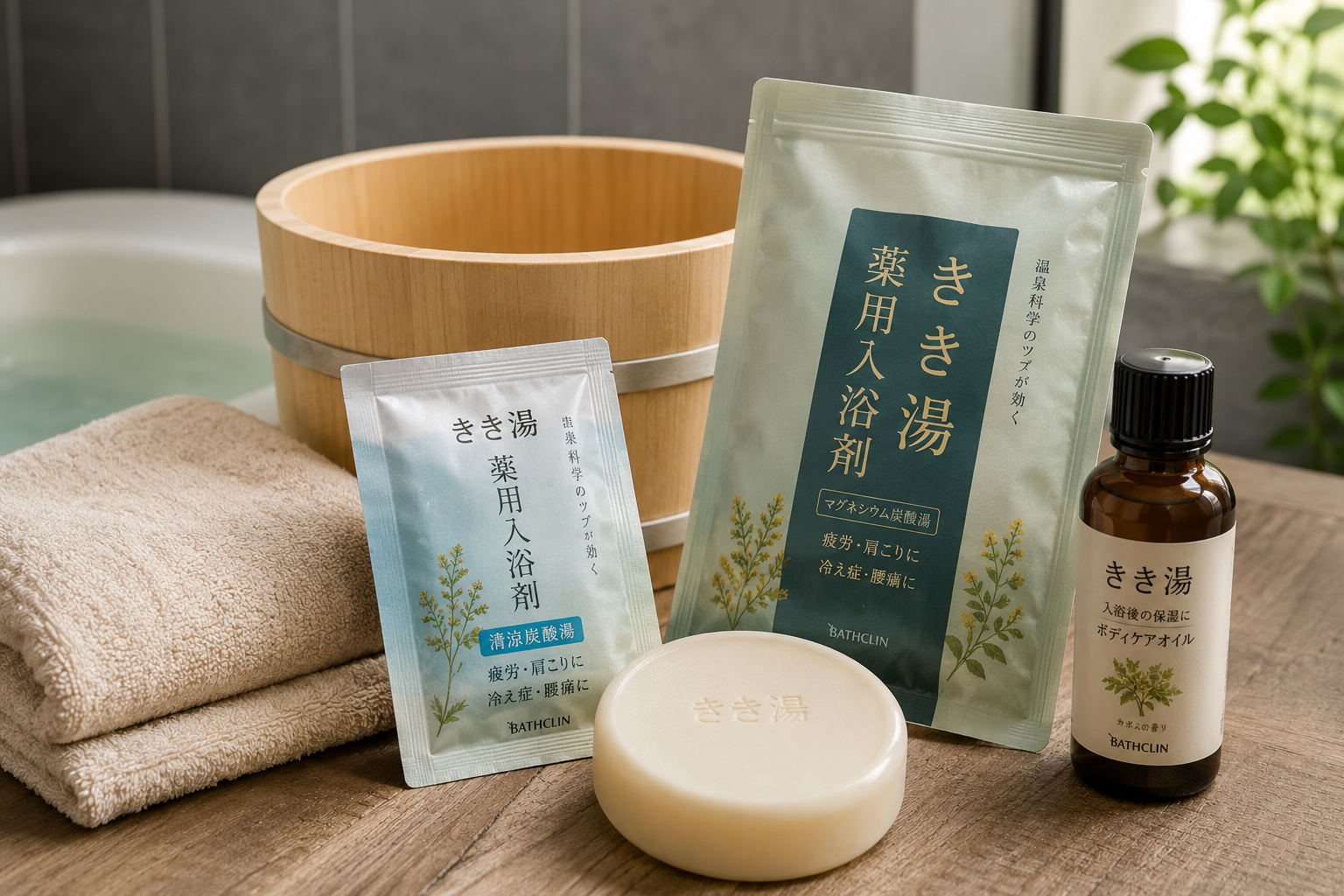
Bath additives can be appealing gifts because they connect to Japan’s strong bathing culture, but they are not interchangeable. Some products have specific directions for water volume, when to add the product and what kinds of tubs or circulation systems can be used.
The most practical rule is simple: follow both the product label and the bathtub manufacturer’s instructions. Even a well-known bath product may not be suitable for every material or system.
Towels and simple bath accessories are lower-risk additions when you want a more complete set without adding another formula or fragrance.
- Read the maker’s directions before use.
- Check tub and circulation-system compatibility.
- Do not divide, concentrate or improvise the stated amount unless the product specifically allows it.
- For a gift, keep the original packaging so the recipient retains the instructions and warnings.
Incense Gifts: Fragrance, Form and Fire Safety Matter
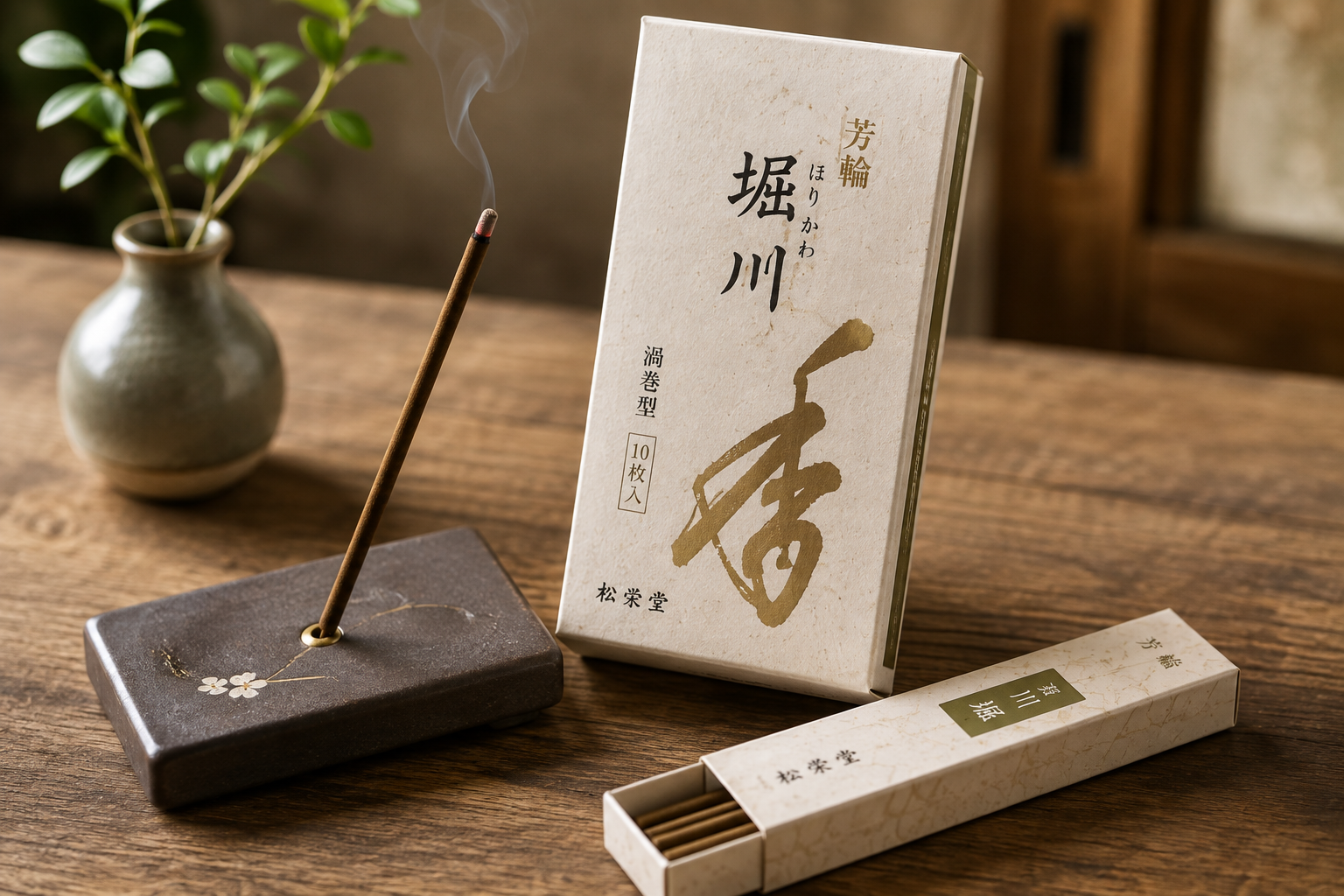
Japanese incense can be a particularly meaningful gift because it connects a modern home ritual with a long history of fragrance culture. The experience can be quiet and simple, but the form of incense changes how it burns and how strong the fragrance feels.
For a first-time user, a modest stick-incense set with a stable holder is usually easier to understand than a highly specialized ceremonial set. The recipient should light the tip, extinguish the flame so the incense smolders, and use a stable heat-resistant holder or plate that catches ash.
Incense should never be treated as a passive decorative object while burning. It involves heat and flame, so ventilation, placement and supervision matter.
- Choose a scent family the recipient is likely to enjoy.
- Match the incense form to the room and expected burn time.
- Include a proper holder or ash-catching plate when useful.
- Keep burning incense away from unstable surfaces, fabrics, children and pets.
Self-Care Sets: Read the Role, Ingredients and Usage Directions
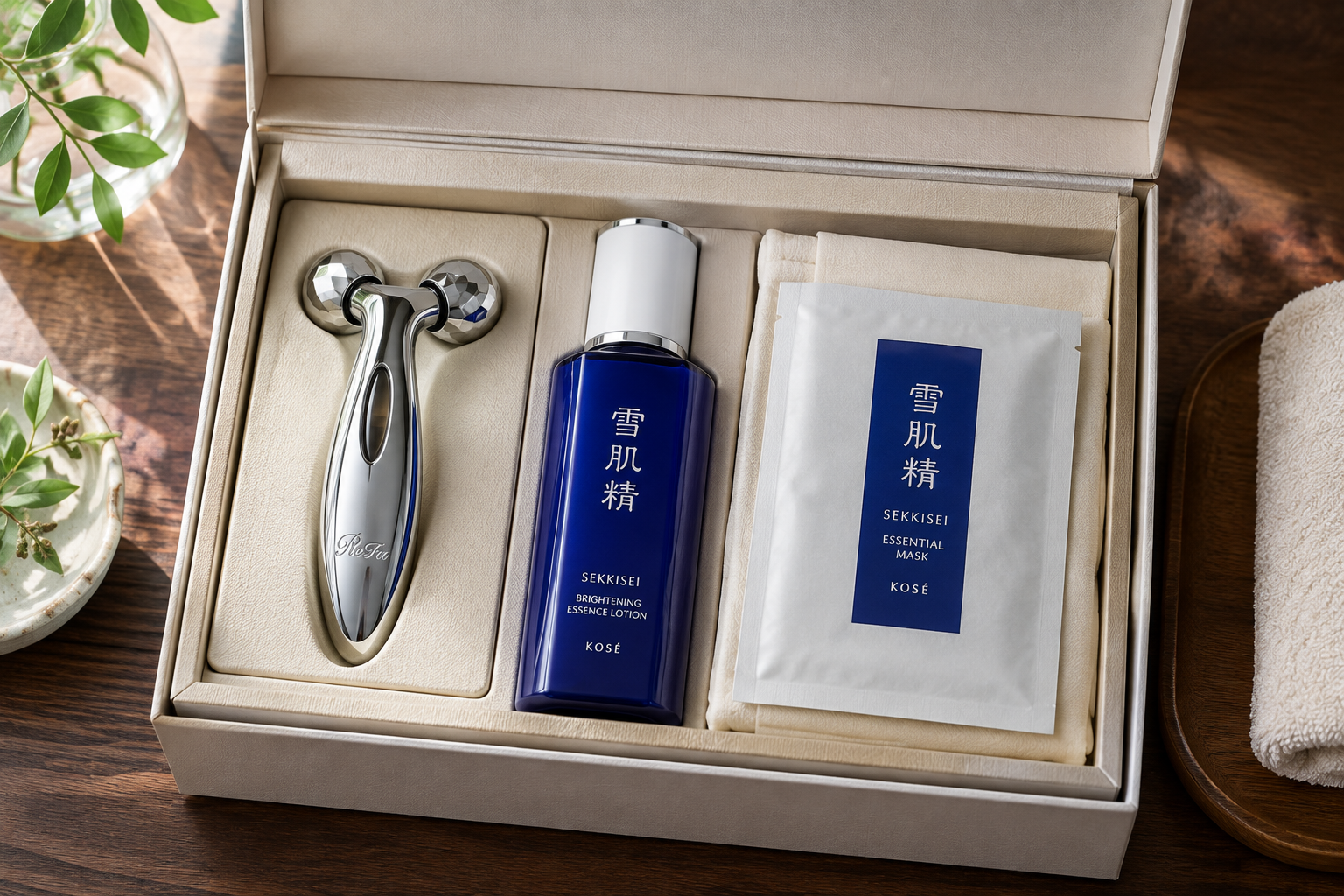
Beauty and personal-care gifts are the most personal category in this guide. The best set is not the one with the most bottles; it is the one where each product has a clear job and the recipient can understand how to use it.
For cosmetics and similar products, Japan maintains formal standards and regulatory guidance. From a gifting perspective, the practical takeaway is to keep the original label and packaging, check ingredient and usage information, and avoid assuming that a product is suitable for every skin or hair type.
If the recipient already uses Japanese skincare or haircare, a focused set from a familiar maker can be easier to appreciate than a large mixed routine.
- Prefer clearly identified product roles over mystery assortments.
- Check ingredients and usage directions before gifting to someone with known sensitivities.
- Keep the original packaging and maker information.
- Do not present cosmetic products as treatments for disease or medical conditions.
Respectful Use, Authenticity Checks and What to Avoid
Respectful use means letting the product stay what it is. Tea is not a miracle supplement, incense is not a medical therapy, bath products are not universal remedies, and cosmetics should not be presented with unsupported promises.
For authenticity, buy from traceable makers or reputable retailers and keep normal evidence such as the product page, maker name, ingredient or material information, usage instructions and order record. For traditional-looking products, decorative Japanese text alone is not proof of origin or quality.
Avoid gifts that create unnecessary work for the recipient: extremely strong fragrances, unclear ingredients, unlabeled decanted products, complicated multi-step routines or items that may be difficult to ship or import.
- Avoid exaggerated detox, sleep, healing or cosmetic-effect claims.
- Avoid removing labels simply to make the gift look more minimal.
- Avoid gifting fragrance-heavy products when preferences are unknown.
- When buying from Japan, check the separate Watoria guides for shipping, customs and general online buying.
FAQ
- What is the easiest Japanese wellness gift for a beginner?
- A simple tea gift is usually the easiest because the product, preparation and purpose are clear. A small self-care set can also work well when the recipient already uses that type of product.
- Is Japanese incense a good gift for someone who has never used incense?
- Yes, if the recipient enjoys fragrance. Choose a straightforward stick-incense set and include or recommend a stable holder or ash-catching plate. Keep the safety instructions with the gift.
- Can any Japanese bath additive be used in any bathtub?
- No. Product directions and bathtub or circulation-system instructions can differ. The recipient should check both before use.
- Should I remove Japanese packaging and rewrap the products?
- Usually not completely. Original packaging often carries ingredients, usage directions, warnings, best-before information or maker details that the recipient may need.
- Are large mixed gift boxes better than focused sets?
- Not necessarily. A smaller set with a clear purpose is often easier to use and easier to evaluate for ingredients, fragrance, storage and compatibility.
Official References
Gift-Safety Check Before You Choose the Prettiest Box
Before choosing tea, bath items, incense or a self-care set, ask four questions: Does the recipient have allergies or fragrance sensitivities? Can they use the item safely in their home? Are the instructions understandable? Will the product still be suitable after international transit?
Tea is usually the simplest category when ingredients are clear. Bath and cosmetic items need ingredient and usage checks. Incense adds ventilation and fire-safety considerations. A mixed set is only a better gift when every item is genuinely usable by the recipient.
Watoria favors clear labeling and practical fit over the number of items in the box.
Final Thoughts
The strongest Japanese wellness gift is usually the most understandable one. Choose a category that already fits the recipient, keep the original information intact, and treat cultural context as a reason to appreciate the product rather than a reason to exaggerate it. A focused tea, bath, incense or self-care set can feel more thoughtful than a larger box when the purpose, usage and maker are clear.