Watoria Guide
Best Japanese Fashion and Accessories to Buy Online
A practical guide to Japanese denim, craft textiles, bags, socks, kimono-related pieces and contemporary apparel, with sizing, authenticity and overseas-buying checks.

- Quick Answer
- What You’ll Learn
- Start With the Category, Not the Japanese Label
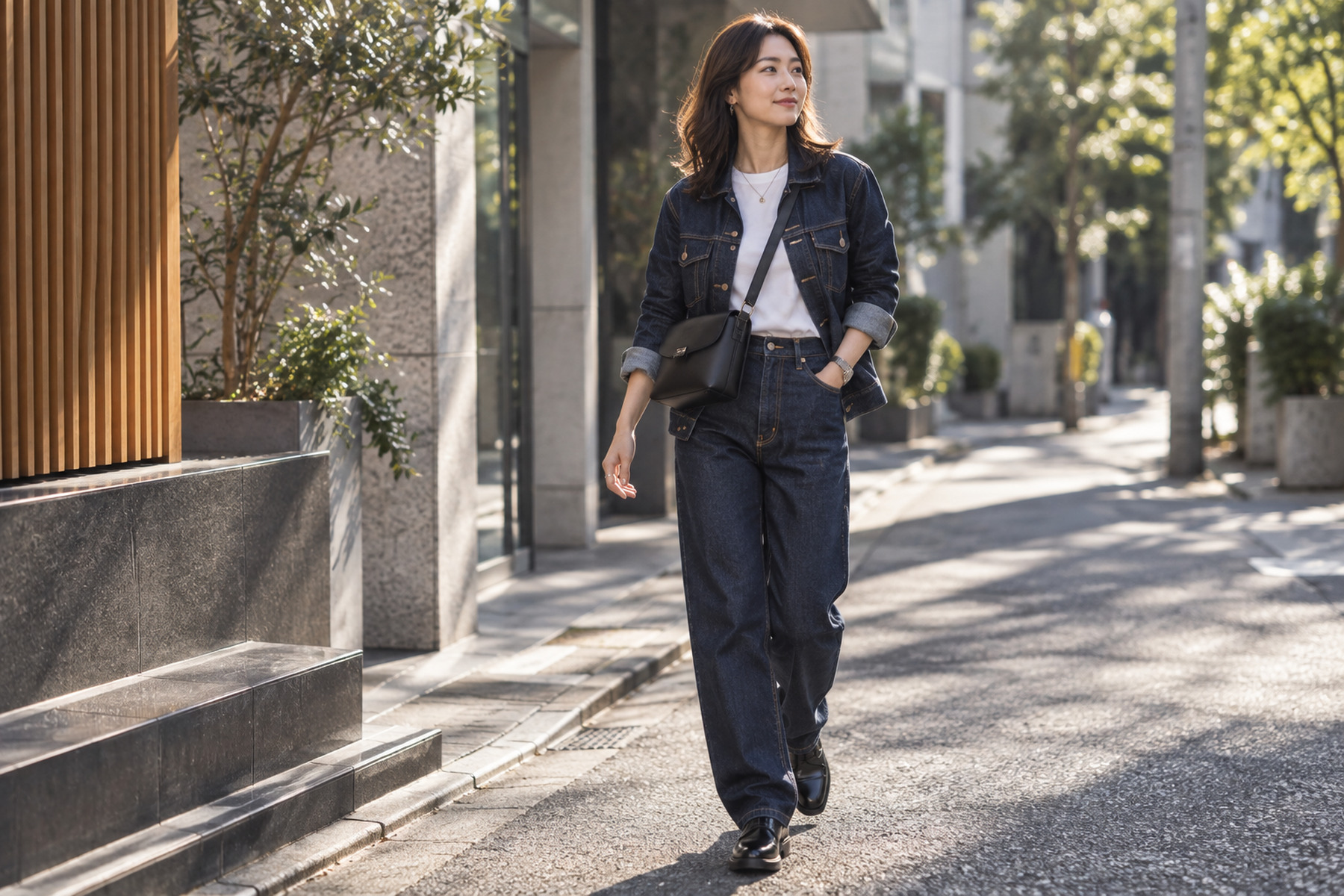
- Japanese Denim and Workwear: A Strong First Purchase
- Indigo, Sashiko and Woven Textiles: Buy the Technique, Not the Story
- Socks, Scarves and Small Accessories: Low-Risk Ways to Start
- Bags, Wallets and Leather Goods: High Style With Less Fit Risk
- Kimono and Yukata: Beautiful, but a Higher-Complexity Buy
- Contemporary Japanese Apparel: Judge the Garment, Not the Passport
- Sizing: Ignore S, M and L Until You Compare Measurements
- Choose the Right Buying Route: Direct, Proxy or Forwarding
- Authenticity and Quality Checklist Before Checkout
- Calculate the Landed Cost, Not Just the Item Price
- FAQ
- Related Guides
- Official References
- Final Thoughts
- Keep exploring Japanese culture
- Continue to the best buying / booking route
- Continue exploring
- Useful guides
- Discover more Japan
- Primary sources
Quick Answer
Start with categories where Japanese makers offer a clear material, construction or design advantage and where overseas buying risk is manageable: selvedge denim and workwear, indigo and craft textiles, socks and small accessories, bags and leather goods, and carefully measured kimono or yukata pieces. For clothing, compare actual garment measurements, fabric behavior, care instructions, return options and total landed cost before paying. Use a direct international store when it serves your country; use a proxy or forwarding route only when the seller is Japan-only and you understand the extra fees and return friction.
What You’ll Learn
- Which Japanese fashion categories give overseas buyers the clearest value for the risk
- How to judge denim, textiles, bags, socks and traditional clothing without relying on hype
- Why Japanese brand identity does not automatically mean every item is made in Japan
- How to compare body and garment measurements before choosing a size
- When direct shipping, proxy buying or forwarding makes the most sense
Start With the Category, Not the Japanese Label
The strongest online purchases are not simply products with a Japanese brand name. They are items where the maker gives you something concrete to evaluate: distinctive fabric, specialist construction, careful finishing, a useful repair culture, a clearly documented technique or a fit that you can verify from measurements.
For overseas buyers, the best category also depends on risk. A beautifully made jacket can still be a poor purchase if the shoulder width is wrong and the return route is expensive. A bag, scarf or pair of socks may deliver more of the design and craft appeal with far less sizing friction.
- Best starting point for material and construction enthusiasts: denim and workwear.
- Best for craft and texture: indigo, sashiko, kasuri-style weaving and other documented Japanese textiles.
- Best for low sizing risk: bags, wallets, scarves, socks and other small accessories.
- Highest fit and care complexity: kimono, yukata and tailored clothing.
- Never assume a Japanese brand means every product is manufactured in Japan; check the individual product description and label.
Japanese Denim and Workwear: A Strong First Purchase
Japanese denim is one of the easiest categories to evaluate because reputable makers usually publish fabric weight, wash state, silhouette and garment measurements. Kojima in Okayama is closely associated with Japanese denim production, and makers such as Japan Blue Jeans explicitly present fabric, silhouette, size guidance, care and repair information.
For a first pair, the important decision is not whether the denim is the heaviest or most artisanal. It is whether the cut, rise, thigh room, hem opening and wash state fit the way you actually dress. Rigid or raw denim can feel stiffer and may change more with wear and washing; one-wash or rinsed denim usually reduces uncertainty.
- Compare waist, front rise, back rise, thigh, inseam and hem measurements against jeans you already own.
- Check whether the measurements are taken before or after washing and whether shrinkage is expected.
- Selvedge is a construction detail, not an automatic guarantee of comfort or quality.
- Heavier fabric can be durable but may be uncomfortable in warm climates or for buyers who prefer immediate softness.
- If repairs matter to you, check whether the maker offers hemming, repair or maintenance support before ordering.
Indigo, Sashiko and Woven Textiles: Buy the Technique, Not the Story
Japan has a deep dyeing and weaving tradition that includes indigo, stencil dyeing, kasuri, yuzen, sashiko-related textile work and many regional methods. The Japan Kogei Association documents how Japanese textile culture developed through different fibers, dye processes and weaving structures rather than as one single aesthetic.
That matters online because the word traditional can be used loosely. A strong listing should tell you what the fabric is, how the pattern or texture is produced, where the work is made or finished, and how the item should be cared for. If the seller gives only romantic language and no material or construction detail, treat the claim cautiously.
- Look for a named technique and enough detail to understand what was actually done.
- Natural indigo can transfer color, especially when new; check the maker's care guidance.
- Hand stitching and hand dyeing can show variation that is normal rather than defective.
- For gifts, compact items such as scarves, tenugui, small pouches or textile accessories are easier to size and ship than full garments.
Socks, Scarves and Small Accessories: Low-Risk Ways to Start
Small accessories are practical entry points because sizing is simpler, shipping weight is lower and they can add a distinctly Japanese material or color sensibility without committing to a full outfit. Tabio, for example, emphasizes specialist sock production and made-in-Japan manufacturing on its official site.
The same logic applies to tenugui, compact scarves, belts, caps and small textile goods. Focus on fiber content, dimensions, stretch, edge finishing and care. A decorative pattern is useful only if the item also works with your wardrobe.
- Choose socks by actual foot-size range rather than a generic one-size label.
- Check whether a scarf or tenugui is intended as wearable fabric, wrapping cloth, towel or display textile.
- For dyed goods, consider color transfer against pale clothing or bags.
- For gifts, verify packaging and dimensions rather than assuming every small textile is gift boxed.
Bags, Wallets and Leather Goods: High Style With Less Fit Risk
Bags and small leather goods are often better overseas purchases than fitted clothing because the key dimensions are visible and easy to compare. Japanese makers range from technical nylon and canvas specialists to leather-focused labels. Yoshida & Co. organizes PORTER products across backpacks, totes, shoulder bags, briefcases and small accessories, while Hender Scheme's official shop spans shoes, bags and small leather goods.
Judge these products by use rather than reputation alone. A beautiful bag can fail if the opening is awkward, the strap is too short, the empty weight is high or your laptop does not fit.
- Check exterior dimensions and the usable opening, not just listed capacity.
- For shoulder and crossbody bags, compare strap length and drop with a bag you already use.
- For leather, check whether the finish is designed to patina and whether water exposure needs special care.
- For canvas and nylon, inspect reinforcement points, hardware, lining and pocket layout.
- If repairability matters, check the maker's repair policy before purchase.

Kimono and Yukata: Beautiful, but a Higher-Complexity Buy
Kimono and yukata can be rewarding purchases, but they require more information than ordinary casual clothing. The garment may be sold alone or may need an obi, underlayers, ties, footwear and other accessories. Fabric, season, formality and care also matter.
Do not buy from a model photo alone. Compare garment length, sleeve dimensions and width against your body and the way you plan to wear it. If you want a simple first purchase, a modern yukata set with a clear size chart is usually easier to evaluate than an antique or formal kimono with incomplete measurements.
- Confirm exactly what is included in the listing.
- Separate garment measurements from model height and styling.
- Check fiber content and cleaning instructions before buying vintage or delicate pieces.
- Use the dedicated Watoria kimono and yukata guide for deeper sizing and accessory detail.
Contemporary Japanese Apparel: Judge the Garment, Not the Passport
Japanese fashion also includes modern basics, outdoor apparel, knitwear, tailoring and gender-neutral design. The useful question is not whether the brand is Japanese, but whether the specific garment offers the cut, fabric and construction you want.
Country of brand origin and country of manufacture are different facts. A Japanese label may produce some lines domestically and others elsewhere. If made-in-Japan construction matters to you, verify the individual product page or sewn-in origin label rather than assuming it from the brand name.
- Prioritize fabric composition, garment measurements and construction details.
- Read the care label before buying technical, coated or specialty fabrics.
- Check whether the brand has a country-specific store with easier returns before importing from Japan.
- Treat limited editions and collaborations as design choices, not automatic quality upgrades.
Sizing: Ignore S, M and L Until You Compare Measurements
There is no universal conversion that makes Japanese sizing safe to buy by letter alone. Brand blocks, intended silhouettes and unisex sizing can differ substantially. Use the brand's own size chart and compare it with both your body and a garment you already own.
For tops and jackets, shoulder width and chest width often reveal fit problems earlier than the nominal size. For trousers, compare waist method, rise, thigh, inseam and hem. For oversized garments, the intended ease may be part of the design, so do not size down automatically.
- Measure a similar garment flat and use the same measurement method shown by the seller whenever possible.
- Do not mix body measurements with finished-garment measurements.
- If the page does not explain how it measures, ask before ordering an expensive fitted item.
- Allow for fabric behavior: rigid denim, wool, knitwear and washed cotton can all fit differently over time.

Choose the Right Buying Route: Direct, Proxy or Forwarding
Direct international checkout is usually the simplest route when the brand ships to your country and offers a workable return policy. A proxy service is different: it purchases from the Japanese seller on your behalf and then sends the goods internationally. A forwarding service normally gives you a Japanese delivery address after you place the order yourself.
The cheapest-looking route is not always the cheapest final route. Domestic shipping in Japan, service fees, consolidation, international shipping, payment fees, customs charges and return shipping can all change the result. For Japan-only stores, use a proxy only after checking its current fee schedule, storage rules, inspection options and return limitations.
- Use direct shipping when the store supports your destination and returns are important.
- Use a proxy when the seller does not accept your payment or overseas address.
- Use forwarding when you can buy directly but need a Japanese receiving address.
- Do not assume a proxy can solve a seller's no-return policy after the item has been purchased.
Authenticity and Quality Checklist Before Checkout
Fashion is especially vulnerable to vague listings, gray-market stock and counterfeits. For new products, start with the maker, an authorized retailer or a seller whose relationship to the product is clear. For secondhand products, demand enough photographs and identifying detail to assess condition and consistency.
Do not rely on packaging, a logo close-up or a single serial number as proof. Authenticity is a pattern of evidence: seller credibility, product construction, labeling, materials, hardware, model information, provenance and return protection.
- Confirm the exact model, material, color and size code when one exists.
- Compare construction and hardware with the maker's current or archived product information.
- Be cautious when the price is dramatically lower than normal without a clear reason.
- For vintage goods, separate age-related wear from damage that affects use.
- Keep screenshots or order records when buying through a marketplace or proxy.
Calculate the Landed Cost, Not Just the Item Price
The number shown on the Japanese product page is only one part of an overseas purchase. The real comparison is landed cost: item price, Japan-side shipping, proxy or forwarding charges when used, international shipping, payment fees, import duties or taxes, and the cost of a possible return.
Shipping and import restrictions vary by destination. Japan Post advises senders to check both universal restrictions and destination-specific rules. Most ordinary clothing is straightforward, but materials, valuables and other special items can trigger different handling or import conditions. Check your destination before paying for a difficult-to-return item.
- Estimate the packed weight, not only the product weight.
- If buying several items, compare consolidation savings against extra storage or handling fees.
- Check who pays duties and taxes and when they are collected.
- For expensive purchases, price the return scenario before you decide the item is a bargain.
FAQ
- What Japanese fashion item is easiest to buy online from overseas?
- Bags, wallets, scarves, socks and other small accessories are usually the lowest-friction choices because fit is simpler. For clothing, pre-washed denim with complete garment measurements is one of the easier categories to evaluate.
- Are Japanese clothing sizes always smaller than US or European sizes?
- No. Fit varies by brand, product line and intended silhouette. Use the seller's actual body or garment measurements and compare them with a garment you already own rather than relying on a letter-size conversion.
- Does a Japanese brand mean the product is made in Japan?
- No. Brand origin and manufacturing origin are different. If domestic production matters to you, verify the specific product description or origin label.
- Should I use a proxy service to buy Japanese fashion?
- Use a proxy when the Japanese seller does not accept your payment method or overseas address. If the brand already offers direct international checkout with reasonable returns, direct purchase is usually simpler.
- How can I reduce shrinkage or color-transfer surprises with Japanese denim and indigo goods?
- Check whether the item is rigid, raw, one-wash or pre-washed, follow the maker's care instructions, and expect new indigo-dyed goods to require extra care around pale fabrics. When in doubt, ask the seller about expected shrinkage and color transfer before ordering.
Official References
Final Thoughts
Japanese fashion is most rewarding online when you can identify the reason an item is worth importing: a specific fabric, construction method, maker, fit, repair culture or design that you cannot easily replace locally. Start with categories that match your tolerance for sizing and return risk, compare measurements and total landed cost, and move to more complex garments only when the product page gives you enough information to make the decision without guesswork.