Watoria Guide
Best Japanese Home Goods for a Calm, Functional Space
Choose Japanese home goods by function, material, care needs, storage footprint and maker transparency, with practical guidance for textiles, tableware, ironware and everyday craft objects.
- Quick Answer
- What You’ll Learn
- Best-Fit Summary: Buy for a Repeated Task, Not for a Theme
- How to Choose: Use Function, Material, Care and Scale
- Recommended Option Type: Towels and Everyday Textiles
- Recommended Option Type: Ceramics, Bowls and Everyday Tableware
- Recommended Option Type: Lacquerware and Wooden Serving Pieces
- Recommended Option Type: Nambu Ironware and Cast-Iron Tools
- Comparison Criteria: Craft, Certification and Authenticity
- Compatibility and Care: Let Maintenance Decide What Belongs in Your Home
- Overseas Buying: Fragility, Weight and Returns
- Buying Route: Choose the Seller That Makes the Product Easy to Understand
- FAQ
- Related Guides
- Official References
- Final Thoughts
- Keep exploring Japanese culture
- Continue to the best buying / booking route
- Continue exploring
- Discover more Japan
- Primary sources
Quick Answer
The best Japanese home goods are usually the objects that quietly improve a repeated task: a towel that absorbs well, a bowl or tray that fits the food you actually serve, an iron kettle or pan you are willing to dry properly, or a storage piece that keeps frequently used items easy to reach. Start with function, then compare material, care and size. For textiles, recognized production-region systems such as Imabari Towel give buyers a concrete quality reference; the official brand requires certified products to meet its own quality standards, including an absorbency test often described as the five-second rule. For traditional crafts, use official craft or producer information to identify the material and production method rather than buying on vague 'Japanese style' claims. For cast iron, care is part of the purchase: Iwachu instructs users to dry Nambu ironware properly after use. A calm home is not created by buying many Japanese objects. It comes from choosing a small number of durable, understandable tools that fit the space and routine.
What You’ll Learn
- How to choose Japanese home goods by repeated daily use rather than decorative appeal alone.
- Which material questions matter for towels, ceramics, lacquerware, wood, bamboo and ironware.
- How official production-region and craft information can help distinguish meaningful origin claims from vague marketing.
- Why care requirements should be treated as part of the purchase decision.
- How size, storage footprint and replaceability affect whether an object stays useful in a small or calm home.
- What overseas buyers should verify before ordering fragile, heavy or material-sensitive household goods.
Best-Fit Summary: Buy for a Repeated Task, Not for a Theme
A calm, functional room usually comes from reducing friction rather than filling the space with decorative objects. Japanese home goods are most useful when a product solves a task you repeat every day: drying, serving, storing, brewing, organizing or maintaining a small living area.
That means the first comparison should be functional. A towel should be judged by absorbency, feel, drying behavior and size. Tableware should match the foods and portions you actually serve. Lacquerware should be chosen with its care requirements in mind. Cast-iron tools only make sense if you are willing to dry and maintain them properly.
The Japanese origin can add material, craft or regional context, but it should not replace practical evaluation. Choose the object first, then decide whether a specific Japanese technique, region or maker gives you a reason to prefer that version.
- Start with one repeated task the object should improve.
- Prefer fewer objects with clear roles over a coordinated but unused collection.
- Check care and storage before aesthetics.
- Treat origin and craft story as supporting evidence, not a substitute for function.
How to Choose: Use Function, Material, Care and Scale
Four criteria cover most Japanese home goods. Function asks what the object actually does. Material asks how it feels and behaves in use. Care asks how much maintenance the object requires. Scale asks whether it fits the cabinet, table, sink, shelf or storage area where you will use it.
These criteria help compare very different products without relying on a generic 'best' list. A lacquer tray and a cotton towel cannot be ranked on the same performance scale, but both can be judged by whether the material suits the intended task and whether the owner can maintain it.
For overseas buyers, add a fifth criterion: replaceability. A fragile bowl or heavy iron item may be easy to admire but expensive to return or replace internationally. If the object will be used daily, the ability to buy another compatible size or piece later can matter.
- Function: what daily action does it make easier?
- Material: how will it react to water, heat, impact, food or skin contact?
- Care: what cleaning, drying or storage does it require?
- Scale: does it fit the physical space and other objects you already own?
- Replaceability: can you realistically replace or add matching pieces later?
Recommended Option Type: Towels and Everyday Textiles
Textiles are one of the easiest Japanese home categories to use every day. For towels, absorbency, loop construction, weight, softness and drying speed matter more than prestige. A very thick towel can feel luxurious but may dry slowly in a humid room; a lighter towel may be easier to rotate and wash frequently.
The Imabari Towel brand provides a useful example of a regional quality system. The Imabari Towel Industrial Association says only products that pass its standards can carry the brand mark, and it highlights an absorbency test in which a towel sample must begin to sink within five seconds after being placed on water.
That does not mean every towel from Imabari has the same texture or that the heaviest towel is best. The association itself emphasizes that people prefer different levels of softness and firmness. Choose by hand feel, intended use and laundry routine.
- Bath towels: balance absorbency with drying time and washing capacity.
- Hand towels: prioritize frequent washing and a size that fits the hanging space.
- Kitchen cloths: choose a weave and size suited to repeated wet use.
- Regional brand marks are most useful when their quality standards are clearly defined.
Recommended Option Type: Ceramics, Bowls and Everyday Tableware
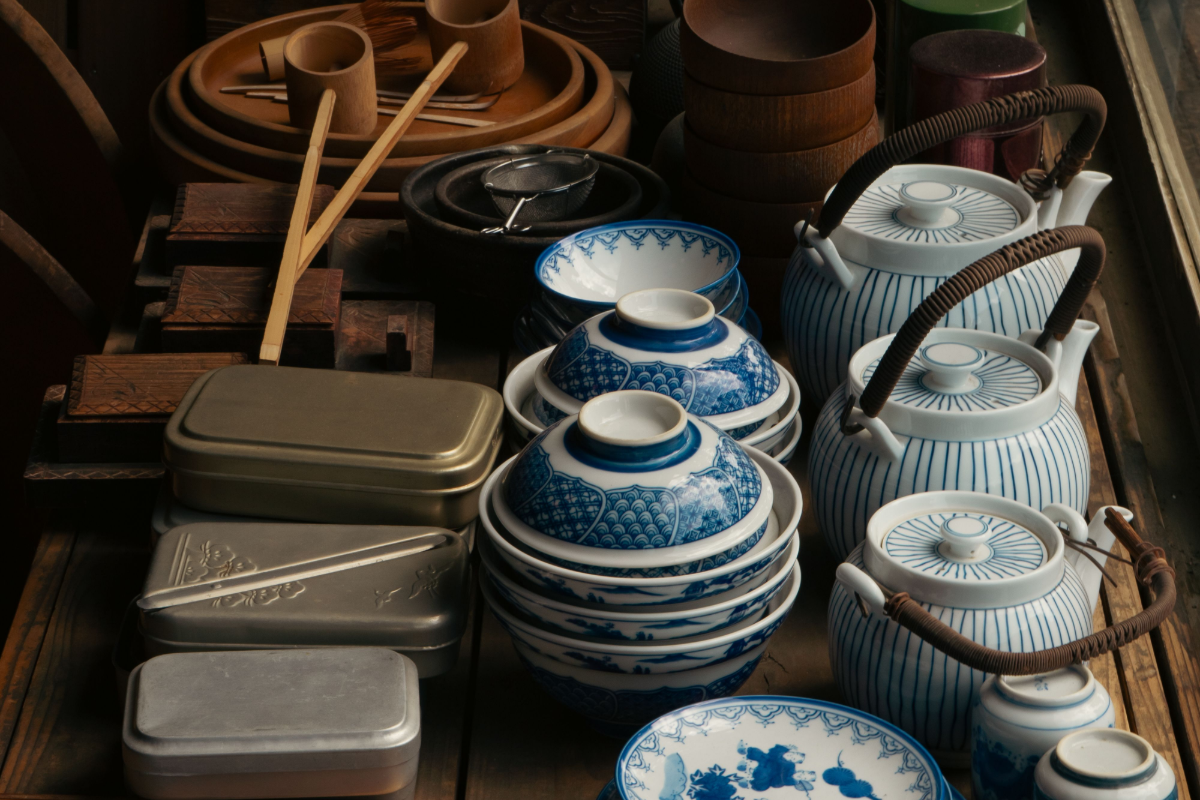
Japanese tableware is often sold by regional style, glaze or craft tradition, but daily usefulness still comes down to size, weight, stackability and care. A bowl should fit the food and portion you normally serve; a plate should fit your cabinet and dishwasher if machine washing is part of your routine.
Traditional Crafts Aoyama Square, operated by the Association for the Promotion of Traditional Craft Industries, documents designated Japanese craft categories and their production regions. Its craft pages show that household objects can involve specialized materials and production processes rather than one generic 'Japanese ceramic' standard.
When a piece is handmade or region-specific, expect some variation in glaze, shape or surface. That can be part of the craft character, but it is still worth checking whether the maker states microwave, dishwasher, oven or food-use compatibility for the exact item.
- Check diameter, height and weight instead of judging scale from photos.
- Choose stackable forms when cabinet space is limited.
- Verify microwave, dishwasher and heat guidance on the exact product.
- Accept natural variation only when it is consistent with the maker's stated craft process.
Recommended Option Type: Lacquerware and Wooden Serving Pieces
Lacquerware can bring light weight, warmth and a refined surface to trays, bowls and serving pieces, but the category includes many regional techniques and construction methods. Traditional Crafts Aoyama Square documents lacquerware traditions such as Kyo Shikki and Kishu Shikki, each with its own production context and characteristic uses.
Kyo Shikki is described as including tea utensils, tableware and furniture, while Kishu Shikki includes trays, confectionery bowls and tableware intended for everyday use. These examples show why the product's intended function matters more than buying 'lacquerware' as one undifferentiated category.
Care should be checked with the exact maker. Avoid assuming that a lacquered surface can be treated like ordinary plastic or ceramic. Heat, prolonged soaking, abrasives and dishwashers can be unsuitable for some pieces, so the maker's instructions control.
- Use trays and bowls for the function they were designed to perform.
- Check base material as well as surface finish.
- Avoid abrasive cleaning unless the maker specifically allows it.
- Treat regional craft names as specific traditions, not generic style labels.
Recommended Option Type: Nambu Ironware and Cast-Iron Tools
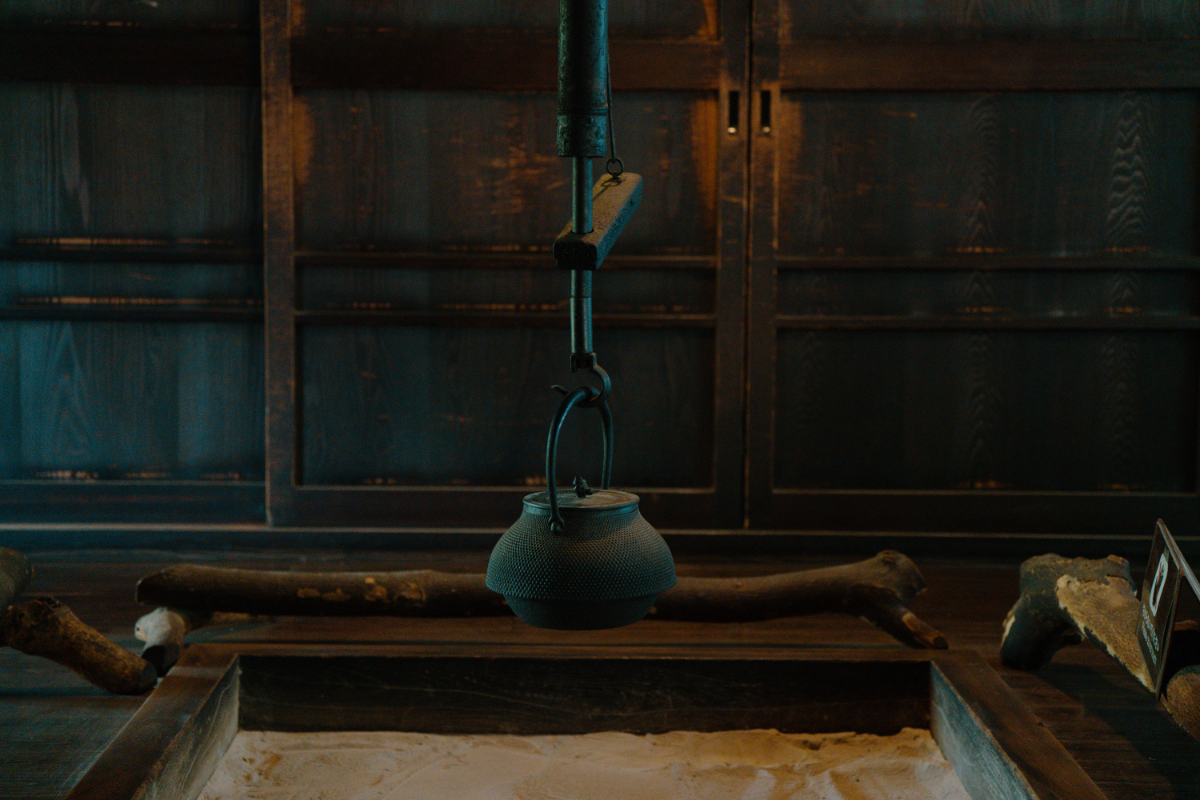
Nambu ironware can be a durable, functional choice when you understand its maintenance. Iwachu's current care guidance for Nambu tekki is simple but important: dry the product properly after each use, and follow the specific care instructions for kettles, teapots or cooking utensils.
For an iron kettle, Iwachu instructs first-time users to rinse, boil water and discard it repeatedly until the water becomes clear, then empty the kettle fully after use. That illustrates a larger rule for Japanese home goods: a material can be durable only if the care routine fits the owner.
Before buying cast iron, confirm the product type. A tetsubin intended to boil water, an enamel-lined teapot and a cooking pan can have different care and heat-use rules. Do not transfer instructions from one iron product to another.
- Confirm whether the product is a boiling kettle, teapot or cooking utensil.
- Dry cast iron fully after use according to the maker's instructions.
- Check heat-source compatibility on the exact item.
- Expect weight to affect handling and international shipping cost.
Comparison Criteria: Craft, Certification and Authenticity
A Japanese-looking object is not automatically a Japanese craft product. When origin matters, look for a named maker, production region, material description and verifiable craft or brand information. The Association for the Promotion of Traditional Craft Industries exists specifically to help the public understand designated traditional crafts and their production backgrounds.
Regional systems can also use their own certification or brand rules. Imabari Towel is a clear example: only products meeting the brand's standards may use the official mark. That gives the buyer more evidence than a marketplace title that simply says 'Japanese towel.'
Avoid treating every variation as a counterfeit sign. Handmade and production-lot differences can be legitimate. The safest approach is to compare the exact seller listing with the maker, association or official craft reference.
- Look for a named maker or production region.
- Use official certification or craft references when origin is a selling point.
- Do not rely on vague 'Japanese style' or 'artisan' wording alone.
- Separate normal handmade variation from missing identity information.
Compatibility and Care: Let Maintenance Decide What Belongs in Your Home
A calm home is easier to maintain when the materials match the household routine. If you rely on a dishwasher, choose tableware explicitly approved for it. If you do not want to hand-dry metal, do not buy ironware that requires it. If laundry drying space is limited, very dense textiles may create more work than comfort.
The same logic applies to fragile craft objects. A piece that requires special storage can be appropriate when you value the material enough to provide that care, but it should not be purchased only because it photographs well.
Care is not a separate issue after purchase. It is part of the product specification. Read it before deciding whether the object is a realistic fit.
- Match cleaning method to your real household routine.
- Check heat, water and detergent limits before use.
- Store fragile or easily scratched objects so they do not contact harder materials.
- If maintenance feels burdensome before purchase, choose a lower-friction material.
Overseas Buying: Fragility, Weight and Returns
Home goods can be harder to import than small stationery because weight and breakage risk increase quickly. Ceramic sets, iron kettles and large wooden items can create high shipping costs, and return shipping may be impractical even when the retailer accepts returns.
Check package dimensions, item weight, material, included pieces and seller packing policy before ordering. For ceramics or lacquerware, ask how breakage is handled. For ironware, confirm whether the weight shown is product-only or includes packaging.
Watoria's existing guides on buying from Japan, shipping and customs cover the logistics in more detail. This article remains focused on deciding which home goods are worth owning.
- Compare landed cost, not only product price.
- Check breakage and return policy before ordering fragile goods.
- Heavy iron items can change shipping economics dramatically.
- Keep model, maker and material information for future replacements.
Buying Route: Choose the Seller That Makes the Product Easy to Understand
For craft and material-heavy home goods, the strongest seller is usually the one that explains the product clearly. Maker-direct stores, official regional stores and established craft or home-goods retailers can provide better information about dimensions, material, care and replacement than anonymous listings.
Marketplaces can still be useful, but the individual seller and exact product identity matter. If a listing hides the maker or gives no care information for a material-sensitive object, that lack of detail is a practical risk even before authenticity becomes a question.
Watoria is an editorial guide, not a seller or proxy-buying service. Use maker and retailer pages as the final source for current stock, price, shipping, returns and care.
- Maker-direct: strongest source for exact material and care instructions.
- Official regional or craft store: useful for verified origin and production context.
- Established retailer: useful for comparing compatible sizes and functions.
- Marketplace: verify the individual seller and exact item independently.
FAQ
- What Japanese home goods are most useful for a first purchase?
- Start with an object you will use repeatedly: a towel, bowl, tray, storage item or kitchen tool. Choose by function and care requirements before choosing by craft prestige or decorative style.
- Does the Imabari Towel label guarantee every towel will feel the same?
- No. The official brand system requires certified products to meet defined quality standards, including absorbency criteria, but texture, thickness and firmness still vary among products. Choose the feel and size that fit your routine.
- Is Japanese lacquerware safe for a dishwasher?
- Do not assume so. Lacquerware construction and finishing vary. Follow the exact maker's care instructions and avoid dishwasher use unless the product is specifically approved for it.
- Does Nambu ironware need special care?
- Yes. Iwachu instructs users to dry Nambu ironware properly after use and gives separate care guidance for kettles, teapots and cooking utensils. Follow the instructions for the exact product type.
- How can I tell whether a Japanese craft origin claim is meaningful?
- Look for a named maker, production region, material and an official producer, craft-association or certification reference. Vague terms such as 'Japanese style' do not establish origin.
- What should I check before importing Japanese home goods?
- Verify dimensions, weight, material, care, compatibility, breakage policy, return terms and total shipping or customs cost. Heavy ironware and fragile ceramics deserve extra attention.
Official References
- Imabari Towel Industrial Association — What is Imabari Towel?
- Association for the Promotion of Traditional Craft Industries — Traditional Crafts Aoyama Square
- Traditional Crafts Aoyama Square — Kyo Shikki
- Traditional Crafts Aoyama Square — Kishu Shikki
- Iwachu — Caring for Nambu Tekki
- Iwachu — Caring for Iron Kettles
Final Thoughts
The most convincing Japanese home goods are not the objects that make a room look the most Japanese. They are the ones whose material, size and maintenance quietly fit the household. Use towels for absorbency and laundry practicality, tableware for serving scale and storage, lacquerware for lightness and craft character, and ironware only when its care routine is welcome. Verify origin through makers, regional systems and craft references instead of vague styling claims. A calm space usually improves when each object has a clear job, earns the room it occupies and can be cared for without friction.