Watoria Guide
How to Evaluate Handmade Japanese Crafts Before Buying Online
A practical buyer’s framework for judging handmade Japanese crafts online by maker, region, process, materials, construction, natural variation, care requirements and shipping risk.
- Quick Answer
- What You’ll Learn
- Start With Evidence, Not With a Japanese-Looking Aesthetic
- Understand the Difference Between Handmade and a Designated Traditional Craft
- Verify the Maker, Region and Process
- Read Materials and Construction Like a Buyer
- Decide Whether Variation Is Character or a Defect
- Check Function, Care and Compatibility Before Falling in Love With the Finish
- Judge the Listing and Seller by How Much Useful Risk Information They Reveal
- Add Shipping, Returns and Landed Risk to the Quality Decision
- Use a Simple Evidence Ladder Before You Buy
- FAQ
- Related Guides
- Official References
- Final Thoughts
- Keep exploring Japanese culture
- Continue to the best buying / booking route
- Continue exploring
- Useful guides
- Discover more Japan
- Primary sources
Quick Answer
Evaluate a handmade Japanese craft in layers: first confirm who made it and where, then check how the seller describes the process and materials, then inspect construction, dimensions, intended use and care, and finally judge whether the seller explains natural variation, returns and fragile-goods shipping clearly. For crafts that are claimed to be nationally designated traditional craft products, official production-area information and the traditional craft certification system can provide stronger evidence. But the absence of a traditional craft mark does not by itself make an independent artisan’s work inauthentic.
What You’ll Learn
- How to separate a broad “handmade” claim from Japan’s formal traditional-craft designation system
- Which maker, region, process and material details make an online listing more verifiable
- How to distinguish acceptable handmade variation from damage, poor finishing or unclear quality control
- What to check for ceramics, lacquerware, textiles, wood, bamboo and metal crafts
- How care, packaging, returns and overseas shipping can change whether a craft is a sensible purchase
Start With Evidence, Not With a Japanese-Looking Aesthetic
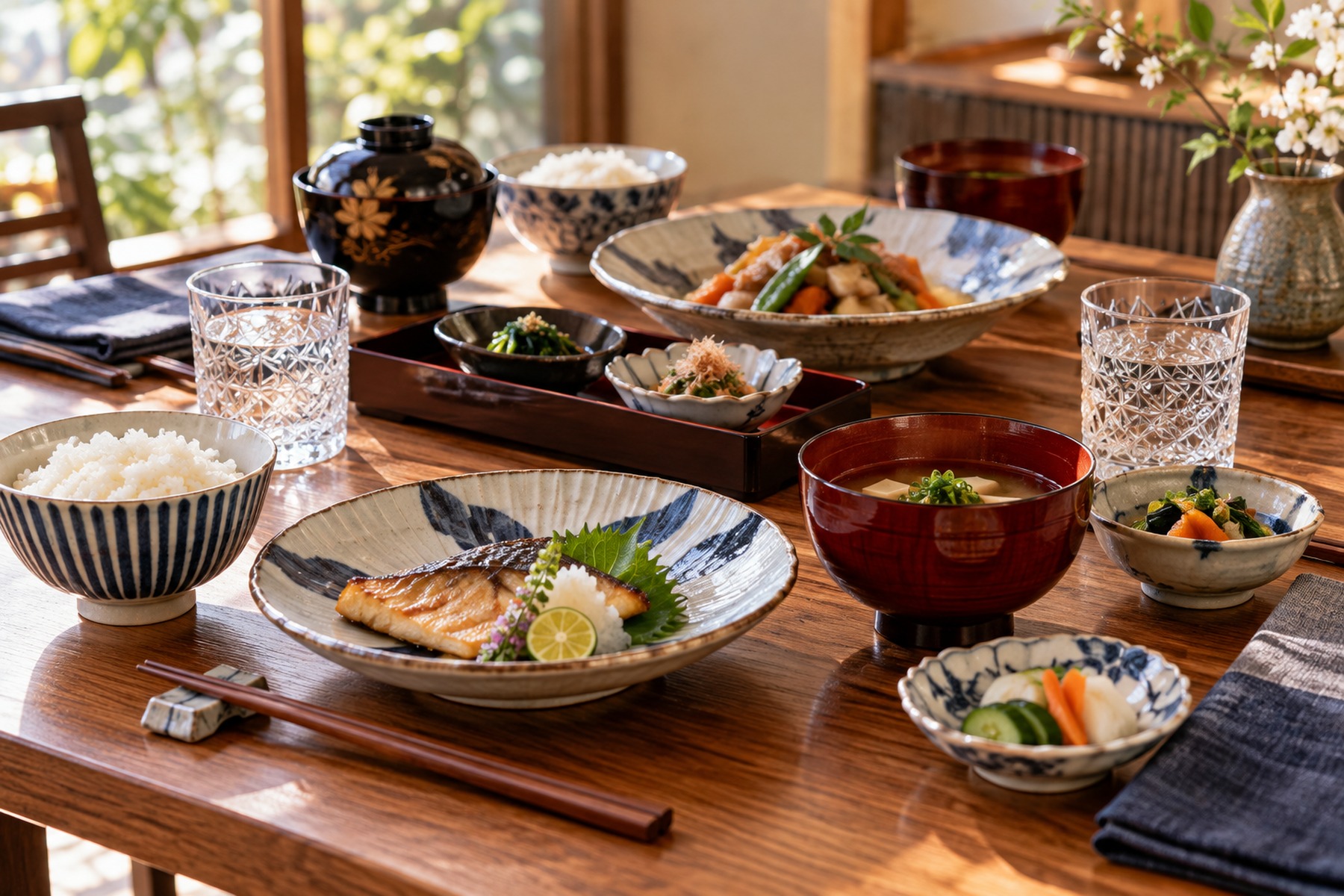
A convincing Japanese aesthetic is not evidence of Japanese manufacture, and an imperfect surface is not automatic evidence of handwork. The strongest online listings let you connect the object to a maker, workshop, production area or documented process. Treat styling words such as artisan, heritage, wabi-sabi and Japanese-inspired as descriptions until the seller provides something you can verify.
Before studying decorative details, identify the basic facts: the maker or workshop name, country and preferably production area, materials, dimensions, intended use, care instructions and whether the photographs show the actual piece or a representative example. Expensive work deserves a higher evidence standard than an inexpensive everyday object.
This approach is different from checking whether an online store is a scam. A legitimate store can still sell a poorly documented craft, and a genuine handmade object can be offered through a small workshop with a very simple website. Your task here is to evaluate the object and the claims around it.
- Strong signal: named maker or workshop plus a specific production area
- Strong signal: clear materials and process rather than vague “premium artisan” language
- Strong signal: dimensions, weight or capacity where those affect use
- Weak signal: decorative Japanese wording without verifiable production information
- Weak signal: “handmade” used as the only explanation for every irregularity
Understand the Difference Between Handmade and a Designated Traditional Craft
Japan’s nationally designated Traditional Craft Products are a specific legal category, not a synonym for every handmade object made in Japan. The Ministry of Economy, Trade and Industry describes designation criteria that include everyday use, a major manufacturing process carried out by hand, traditional techniques, traditional raw materials and an established production area.
The Association for the Promotion of Traditional Craft Industries also explains the traditional craft mark system. Products made under the specified techniques and materials and passed through the relevant production-area inspection can carry the traditional certificate using the mark. That is meaningful positive evidence when a seller claims a product belongs to a nationally designated craft tradition.
Do not reverse that logic. Many legitimate contemporary studio potters, woodworkers, textile artists and independent makers are not selling products under that national designation system. A missing mark is therefore not proof of a fake. Ask instead whether the seller’s claim matches the type of evidence that should exist for that claim.
- If the listing claims a nationally designated traditional craft, verify the craft name and production area through an official source
- If it names a certified traditional craftsperson, verify the identity where an official or industry directory is available
- If it simply says handmade in Japan, judge the maker, materials, process and seller documentation on their own merits
- Do not treat a familiar regional craft name in a marketplace title as certification by itself
Verify the Maker, Region and Process
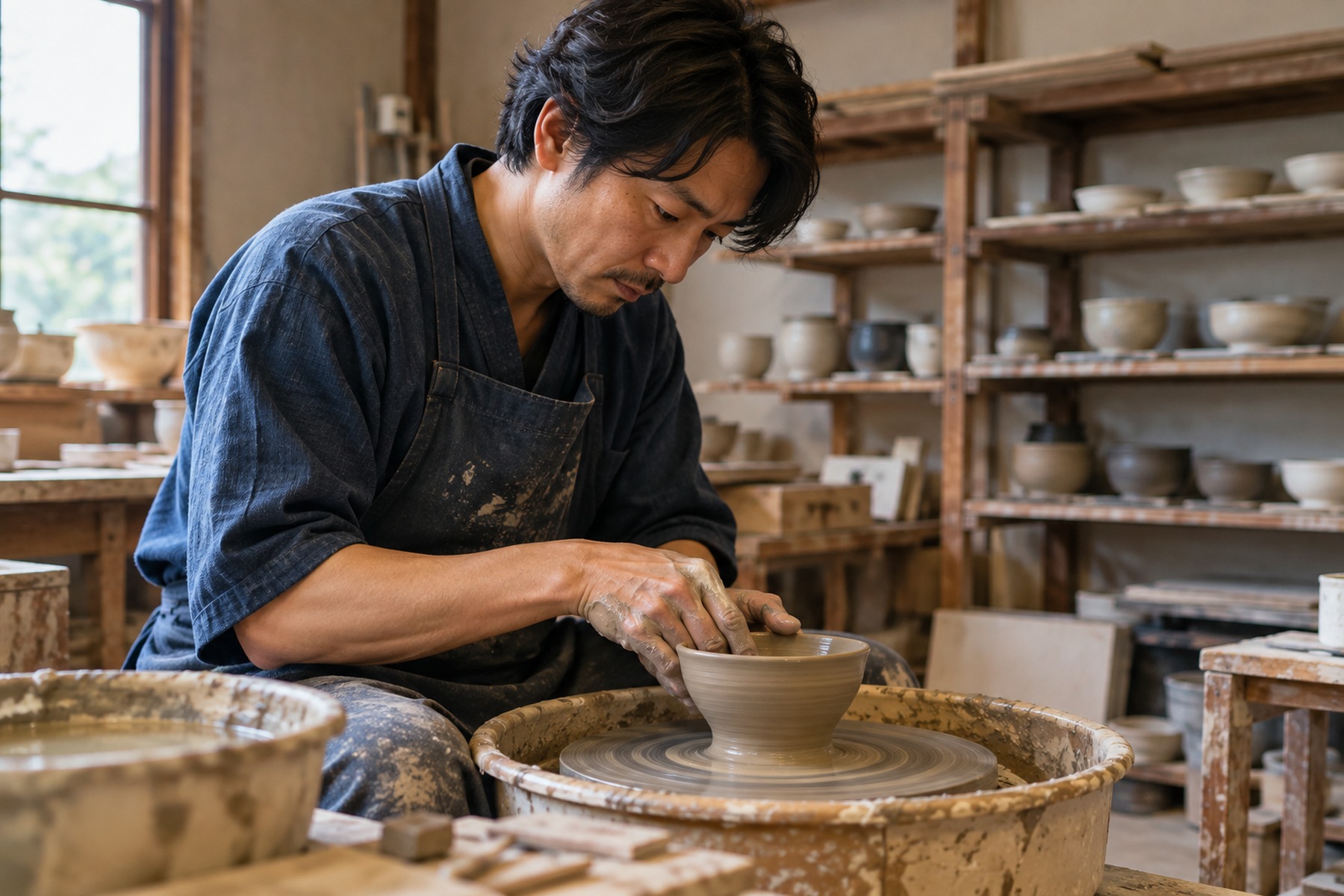
A useful maker story is specific enough to check. Look for a personal name, studio or workshop name, location, production history and a description of what is actually done by hand. The most credible pages explain the sequence of work rather than presenting a romantic paragraph with no practical detail.
For a regional craft, compare the seller’s description with an official craft association, production-area cooperative, maker site or public reference. You do not need every purchase to come with a certificate. You do need the seller’s origin story to remain consistent across the product page, maker biography and outside references.
Be cautious when a listing jumps from “designed in Japan” to language that implies “made in Japan,” or when the product description names a famous region but never identifies a maker, kiln, workshop or production relationship. Those gaps do not prove fraud, but they reduce how much confidence the story should earn.
- Search the maker or workshop name independently
- Check whether the claimed region is actually associated with that craft tradition
- Look for process photographs or descriptions that show meaningful production stages
- Separate design origin, brand origin and manufacturing origin
- For higher-value pieces, save the maker and material information with your purchase records
Read Materials and Construction Like a Buyer
Material descriptions are where decorative marketing turns into practical information. A product should tell you enough to understand what it is made from, how it is assembled or finished and what that means for daily use. The correct questions change with the craft.
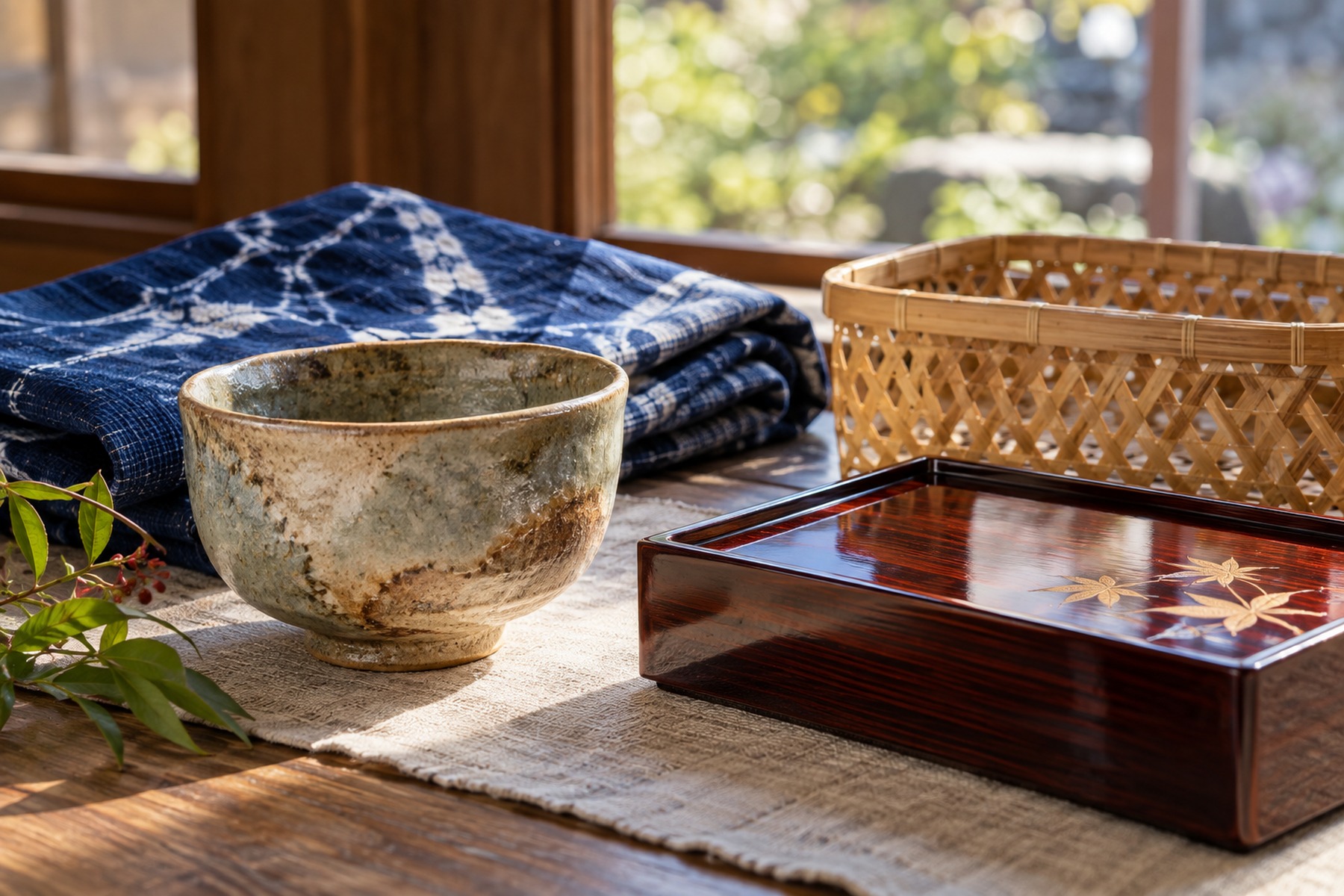
For ceramics, inspect the rim, foot, glaze coverage and any stated firing or clay information. Confirm diameter, height and capacity rather than estimating scale from styled photographs. For lacquerware, check the substrate and finish: wood, molded material, natural urushi and other coatings are not interchangeable descriptions. For textiles, look for fiber content, weave or dye method and finished dimensions. For wood and bamboo, look for species where relevant, joinery, surface treatment and care. For metalwork, check the metal, finish and maintenance guidance.
Do not assume that a more traditional-sounding material is automatically better for your needs. A modern material may be appropriate for an everyday object, while a traditional material may demand more careful washing, drying, humidity control or storage. Quality is partly about whether the construction matches the promised use.
- Ceramics: dimensions, capacity, glaze condition, foot and maker-stated care
- Lacquerware: substrate, finish type, seams, surface condition and washing guidance
- Textiles: fiber, dye or weave process, usable dimensions and cleaning guidance
- Wood and bamboo: material, joins, finish, warping risk and moisture care
- Metal: composition, finish, patina expectations and maintenance
Decide Whether Variation Is Character or a Defect
Handwork naturally creates variation, but “handmade” should not become a blanket excuse for structural defects. A seller should explain which differences are normal for the process and, where possible, show multiple examples. This matters most when the listing uses representative photographs rather than the exact item you will receive.
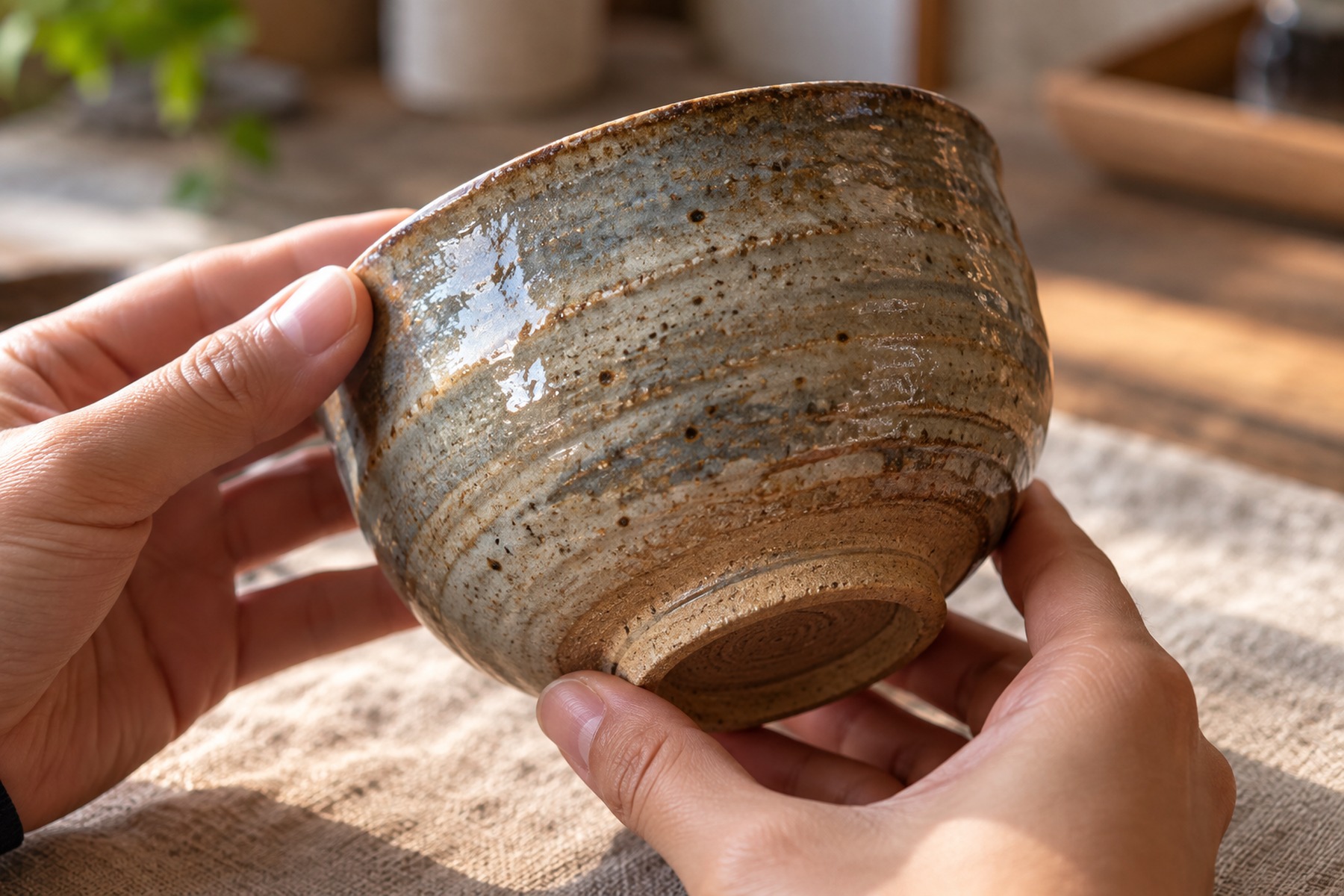
In ceramics, small differences in glaze flow, color, throwing lines or profile can be normal, while a sharp chip, unstable foot or an undisclosed crack is a different issue. In dyed textiles, placement and tone may vary while holes, severe dye transfer or damaged seams are not simply character. In wood or bamboo, grain and color vary naturally, but active splitting, loose joins or severe warping affect function.
Ask one practical question: does the variation change the object’s safety, stability, durability, fit or intended use? If yes, you are no longer discussing aesthetics alone. A good seller makes that boundary clear before purchase.
- Normal variation should be described before checkout, not discovered only after delivery
- Representative photos should be identified as representative
- Structural damage, instability and undisclosed repairs are not the same as handmade character
- If variation matters to you, ask whether you can see the exact piece before shipment
Check Function, Care and Compatibility Before Falling in Love With the Finish
A beautiful craft can be the wrong purchase if it does not fit your routine. Confirm how the piece is meant to be used and maintained. For tableware, that can mean food-contact guidance and maker-stated microwave or dishwasher compatibility. For lacquerware, textiles, wood and metal, care may involve hand washing, prompt drying, avoiding prolonged soaking, limiting heat or moisture, or occasional maintenance.
Treat compatibility as product-specific. Do not assume every ceramic is microwave safe, every lacquered bowl should be kept out of a dishwasher, or every textile can be washed the same way. The maker’s instructions for the exact object should outrank generic advice.
Size is another common online failure point. Convert the listed dimensions into units you use and compare them with an object you already own. A vessel, basket, tray or textile can look much larger in close product photography than it will in your home.
- Confirm exact size, weight or capacity when it affects use
- Check food, heat, water and cleaning compatibility for the exact item
- Consider storage, stacking and display space before ordering
- If care instructions are missing, ask before buying rather than assuming
Judge the Listing and Seller by How Much Useful Risk Information They Reveal
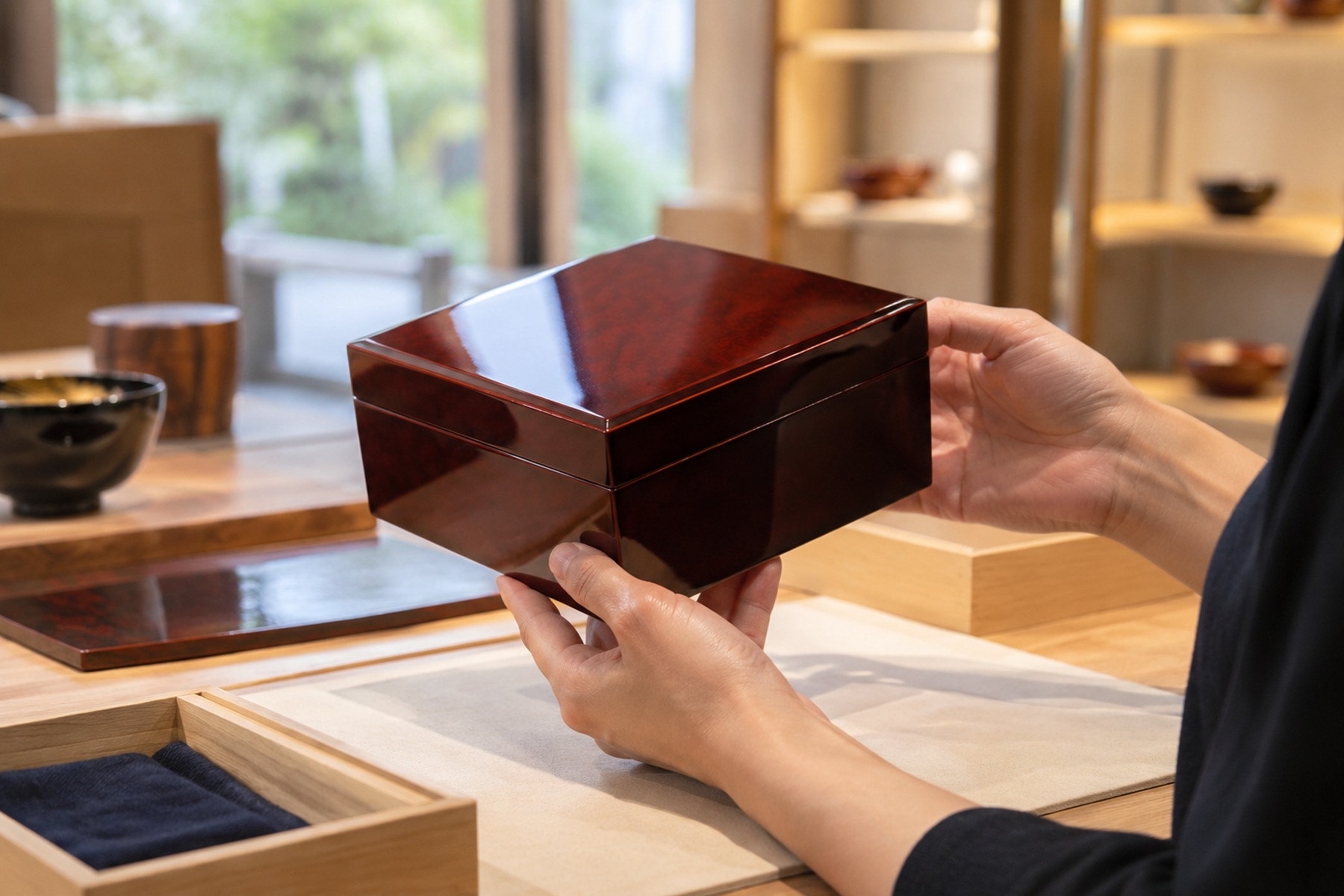
Good craft listings do more than sell the beauty of the object. They tell you what can go wrong. Look for close photographs of important surfaces, multiple angles, scale information, material disclosure, handmade-variation notes, care instructions and a clear return or damage policy.
For valuable work, photographs should let you inspect the underside, edge, join, handle or back when those areas reveal construction. A page made only of distant lifestyle photographs may be attractive but insufficient for evaluation. If the seller uses stock or representative images, find out whether condition and variation are checked before shipment.
Also examine the seller’s response to uncertainty. A credible answer such as “this is a representative image; glaze placement varies” is more useful than a confident but unverifiable claim. Transparency is part of quality because it lets you decide whether the remaining uncertainty is acceptable.
- Prefer listings with useful close-ups, not only styled room scenes
- Check whether photos show the exact piece or a sample
- Read return, exchange and transit-damage procedures before ordering
- For expensive work, ask how condition is documented before dispatch
Add Shipping, Returns and Landed Risk to the Quality Decision
For overseas buyers, packaging is part of the product decision. Japan Post’s international packing guidance says fragile goods should be protected in a hard box with suitable cushioning so items cannot collide with each other or the box walls. Japan Post also notes that international mail does not have a special “Fragile. Handle with Care” service, so secure packing matters more than a fragile label.
Before ordering ceramics, glass, lacquerware or delicate mixed-material objects, ask what protective packing is used, whether the seller or proxy offers reinforcement, and what evidence is required for a damage claim. Keep the outer box and all packing until you have inspected the item. Photograph obvious parcel damage before discarding anything.
Finally, compare the total risk, not just the listed item price. Direct international shipping may be simpler when a maker already exports. A proxy route can open access to Japan-only workshops or marketplaces, but it adds another handling stage and service terms. Import duties, taxes and destination restrictions depend on the receiving country and can change, so verify them before a high-value order.
- Fragile crafts need immobilization and cushioning inside a strong outer box
- Ask who is responsible if damage occurs during international transit
- Keep packaging until inspection and any claim window is safely passed
- Compare direct shipping and proxy routes on total landed cost and handling risk
- Check destination-specific restrictions before ordering unusual materials
Use a Simple Evidence Ladder Before You Buy
You do not need museum-level provenance for every cup or basket. Match the depth of verification to the price, rarity and consequence of getting it wrong. An everyday studio mug may need a named maker, clear materials, usable dimensions, care instructions and a sensible return policy. A costly piece marketed as a nationally designated traditional craft should justify more verification.
A practical way to decide is to move through four levels. First, can you identify the maker and object? Second, can you understand the materials and process? Third, can you judge condition, variation and practical compatibility? Fourth, can you see a realistic path for shipping, returns and after-sales help? If the listing fails early, more beautiful photographs should not compensate for missing evidence.
The goal is not to eliminate every uncertainty. Handmade objects are variable by nature. The goal is to make sure the remaining uncertainty is the kind you intentionally accept—individual character—rather than uncertainty about origin, materials, condition or whether the object will survive the journey to you.
- Level 1: maker, workshop, origin and object identity
- Level 2: materials, process and construction
- Level 3: condition, natural variation, dimensions, use and care
- Level 4: seller policy, protective packing, shipping and returns
- If a high-value listing cannot answer the first two levels, pause before buying
FAQ
- Does “handmade in Japan” mean the product is a nationally designated traditional craft?
- No. Handmade is a broad production claim. Japan’s nationally designated Traditional Craft Products are a specific legal category with requirements covering handwork, traditional techniques and materials, everyday use and an established production area. Independent contemporary craft can be genuine and handmade without belonging to that designation system.
- Is the traditional craft mark proof that a product is authentic?
- It is strong positive evidence when the product is presented within Japan’s designated traditional-craft system. The Association for the Promotion of Traditional Craft Industries explains that products made under the specified techniques and materials and passed through the relevant production-area inspection can carry the traditional certificate using the mark. Always make sure the mark is connected to the actual product and claim.
- Are irregular shapes or glaze differences proof that ceramics are handmade?
- No. They can be consistent with hand production, but irregularity alone proves very little. Evaluate the maker, process description, clay or material information, construction details and seller transparency together. Also distinguish normal variation from chips, cracks, instability or other functional defects.
- What photographs should I look for before buying a handmade craft online?
- Look for the overall object plus close views of the areas that reveal construction and condition: rims, feet, undersides, joins, handles, edges, backs, weave, finish or hardware depending on the craft. For expensive pieces, ask whether the photographs show the exact item or only a representative example.
- What is the biggest overseas-buying risk with fragile Japanese crafts?
- In addition to authenticity and condition, packaging and claims handling are major risks. Fragile items need a strong box and enough cushioning to prevent movement and collision. International mail does not provide a special fragile-handling service, so confirm the seller’s packing method and damage procedure before ordering.
Official References
- Ministry of Economy, Trade and Industry — Traditional Craft Product designation requirements
- Association for the Promotion of Traditional Craft Industries — Traditional craft mark and certification system
- Association for the Promotion of Traditional Craft Industries — Organization and Traditional Craftsperson certification
- Japan Post — Packing guidance for glass and other fragile items
- Japan Post — International mail fragile-handling guidance
Final Thoughts
The best handmade Japanese craft is not necessarily the most irregular, the oldest-sounding or the one with the most romantic maker story. It is the piece whose origin, materials, process, construction and intended use are documented well enough for you to understand what you are buying. Use official traditional-craft references when a formal designation is claimed, but give contemporary independent makers room to prove quality through transparent evidence of their own. Then add the unglamorous checks—dimensions, care, packaging, returns and landed risk. That combination lets you buy for craftsmanship rather than for marketing.