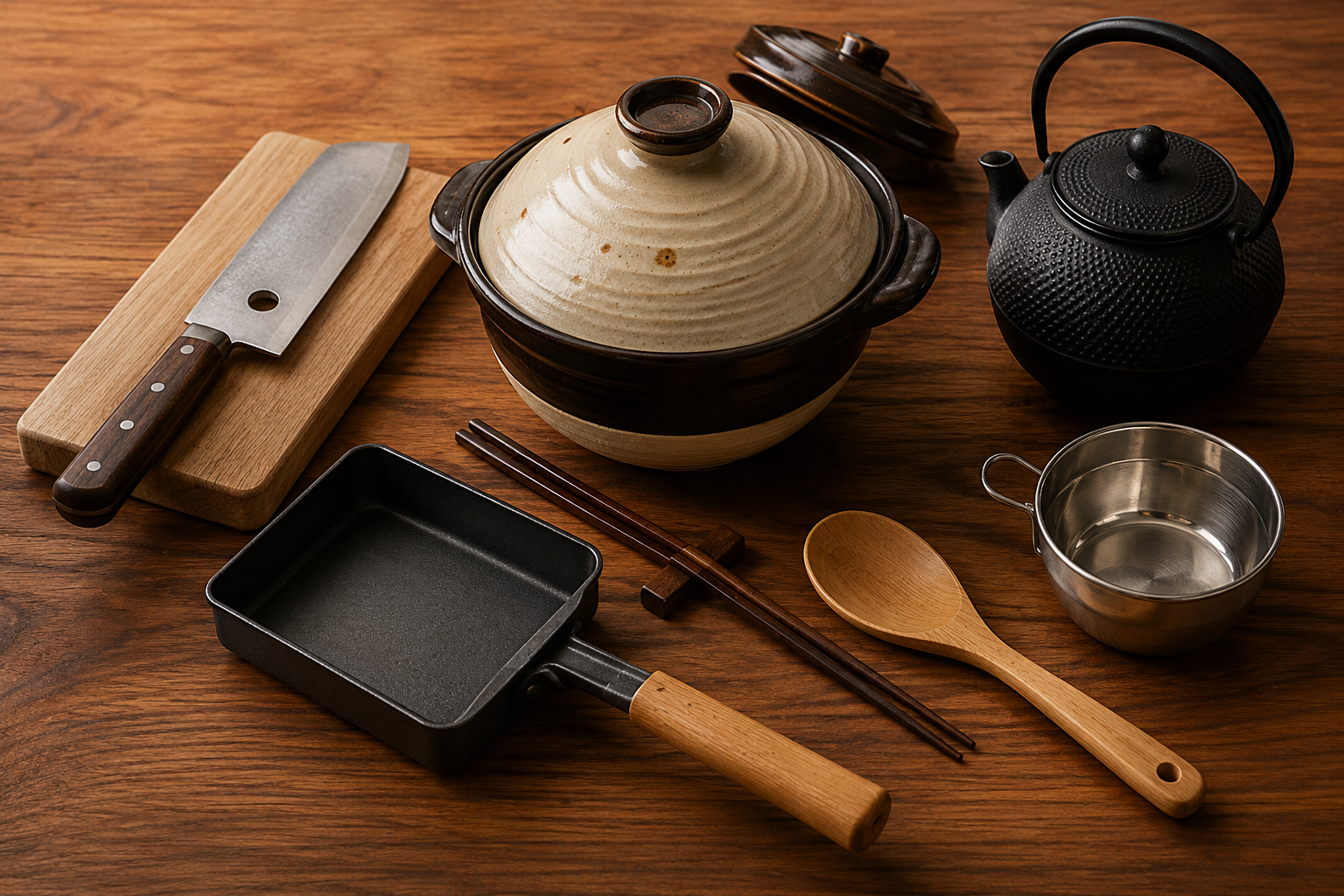
Watoria Guide
Best Japanese Kitchen Tools and Cookware for Beginners
A beginner-friendly guide to Japanese knives, donabe, cast iron, pans and electric kitchen tools, with practical advice on fit, care, voltage and buying safely from overseas.
- Quick Answer
- What You’ll Learn
- Best-Fit Summary
- How to Choose
- Comparison Criteria
- Recommended Option Types: Japanese Knives
- Recommended Option Types: Donabe and Cast Iron
- Recommended Option Types: Everyday Pans and Prep Tools
- Electric Tools: Voltage Before Features
- Compatibility, Authenticity and Care
- Buying Route
- FAQ
- Related Guides
- Official References
- A Beginner Purchase Order That Avoids Expensive Mistakes
- Final Thoughts
- Keep exploring Japanese culture
- Continue to the best buying / booking route
- Discover more Japan
- Primary sources
Quick Answer
For most beginners, the best first Japanese kitchen purchases are a versatile stainless-steel chef’s knife, one task-specific piece of cookware such as a donabe or tamagoyaki pan, and a few compact prep tools you will actually use. Choose by cooking task first, then check material, dimensions, heat-source compatibility, electrical rating where relevant, maintenance needs and seller information before buying.
What You’ll Learn
- Which Japanese kitchen tools give beginners the most practical value
- How knives, donabe, cast iron and everyday pans differ in maintenance
- What to check for induction, dishwasher and electrical compatibility
- How to judge whether a product fits your kitchen before ordering
- How to choose a safer buying route without relying on price or popularity alone
Best-Fit Summary
Japanese kitchenware is easiest to choose when you match the tool to a real cooking habit rather than buying an object simply because it is traditional or popular. A tool that fits your routine, heat source, storage space and willingness to maintain it is usually a better beginner purchase than a more specialized item.
A stainless-steel Japanese chef’s knife is the broadest starting point for everyday prep. Donabe suits people who regularly cook rice, hot pot or one-pot meals and are comfortable with careful drying. Cast-iron cookware suits cooks who value heat retention and do not mind seasoning and moisture control. Small pans and prep tools make sense when they solve a specific repeated task.
- Best all-round first tool: a versatile stainless-steel gyuto or santoku in a comfortable size
- Best cookware for rice and shared table cooking: donabe, if you accept its seasoning and drying requirements
- Best for heat retention and durable stovetop cooking: Nambu cast iron, after confirming burner compatibility
- Best low-commitment additions: compact tools such as a tamagoyaki pan, yukihira-style saucepan, grater or suribachi
- Most important overseas check for electric appliances: rated voltage and frequency, not plug shape alone
How to Choose
Start with the dish or task you repeat most often. If most of your cooking is chopping vegetables and proteins, improve the knife before buying specialized cookware. If rice, soups and hot-pot meals are central to your routine, cookware may deliver more value. If you already own capable basics, a specialized Japanese tool can make sense because it improves one familiar task rather than duplicating equipment.
Then check the practical constraints: available storage, weight, handle comfort, pan diameter, burner type, dishwasher expectations and how much drying or seasoning you are willing to do. Traditional materials can be excellent, but they are not automatically low-maintenance.
- Define the repeated task first
- Check dimensions and weight against your kitchen
- Confirm gas, induction or other heat-source compatibility
- Check whether hand washing and complete drying are required
- For electric appliances, match the product’s rated power requirements to the country of use
- Prefer a product with clear manufacturer instructions and identifiable specifications
Comparison Criteria
The most useful comparison is not ‘traditional versus modern’ but how much performance you gain for the care the tool requires. Stainless steel generally reduces maintenance for a first knife, while carbon steel can demand faster washing and more careful drying. Porous clay cookware can produce excellent results but may require initial seasoning and complete drying. Cast iron is durable but also rewards consistent moisture control.
Compatibility matters just as much as material. Some pans or ironware work on induction and others do not; the maker’s own specification should decide. For electric appliances, a physical plug adapter does not change the appliance’s electrical rating.
- Versatility: how many of your normal meals the tool serves
- Maintenance: washing, drying, seasoning, sharpening or rust prevention
- Compatibility: burner type, appliance voltage and kitchen dimensions
- Replacement risk: whether parts, servicing or warranty support are available where you live
- Documentation: clear maker instructions, materials and care guidance
- Storage burden: size, weight and fragility
Recommended Option Types: Japanese Knives
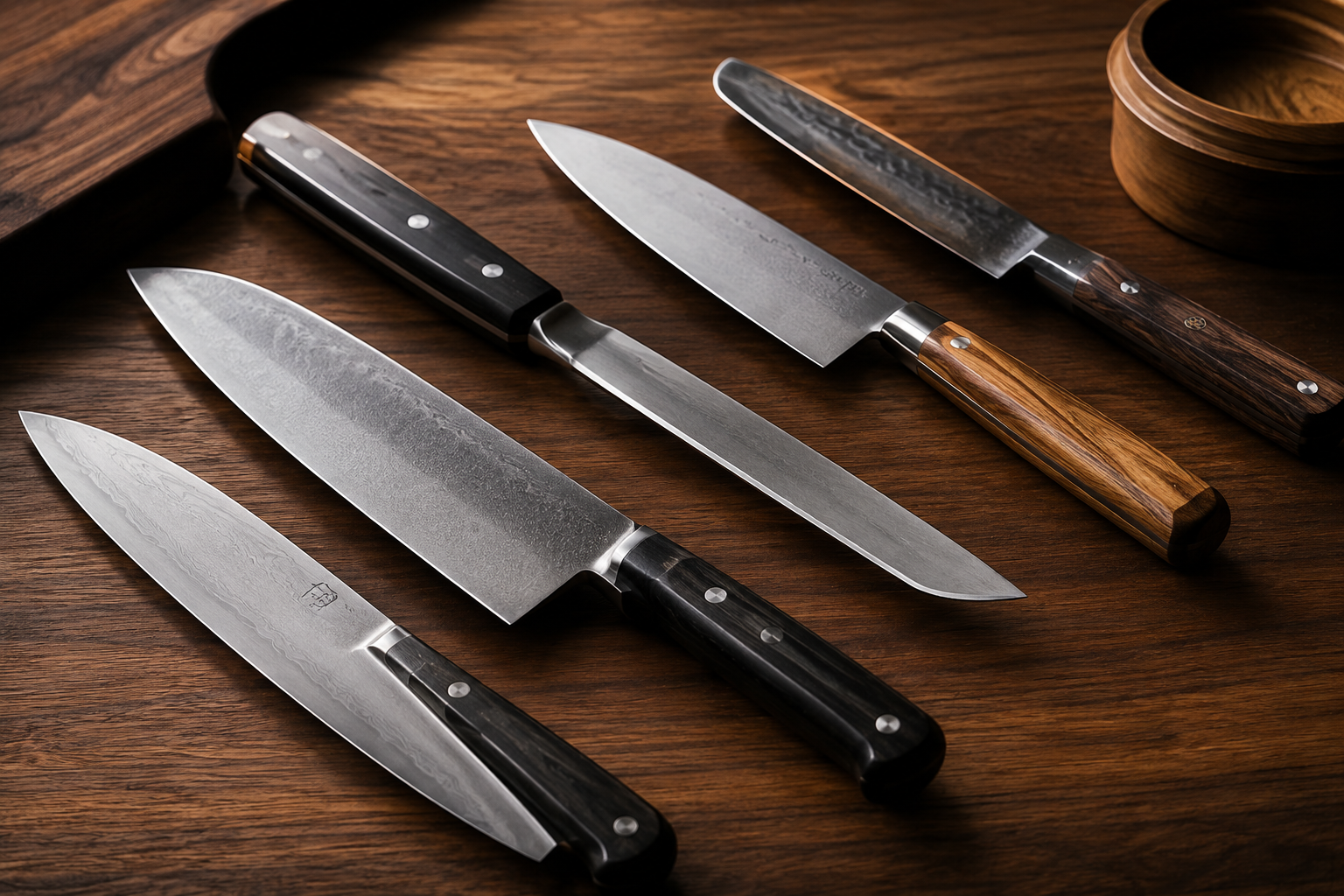
For a beginner, a gyuto or santoku is usually more useful than starting with a highly specialized Japanese knife. The goal is a blade length and profile that feel controlled on your cutting board, with a handle you can grip comfortably. Stainless steel is often the simpler first choice because it reduces—but does not eliminate—the risk of rust.
KAI’s care guidance notes that even stainless knife steel can rust depending on moisture, salt and other residues, and recommends washing promptly and drying thoroughly. It also distinguishes dishwasher-compatible materials from knives with carbon-steel components or wooden handles that may not be suitable for machine washing. This is a good example of why the exact maker’s care instructions matter more than assumptions based on the word ‘Japanese.’
- Choose gyuto or santoku first unless you already know you need a specialized blade
- Prioritize balance, handle comfort and manageable blade length
- Treat stainless steel as lower-maintenance, not maintenance-free
- Plan for sharpening as part of ownership rather than waiting until the knife becomes unusably dull
- Check the exact maker’s dishwasher and handle-care instructions
Recommended Option Types: Donabe and Cast Iron
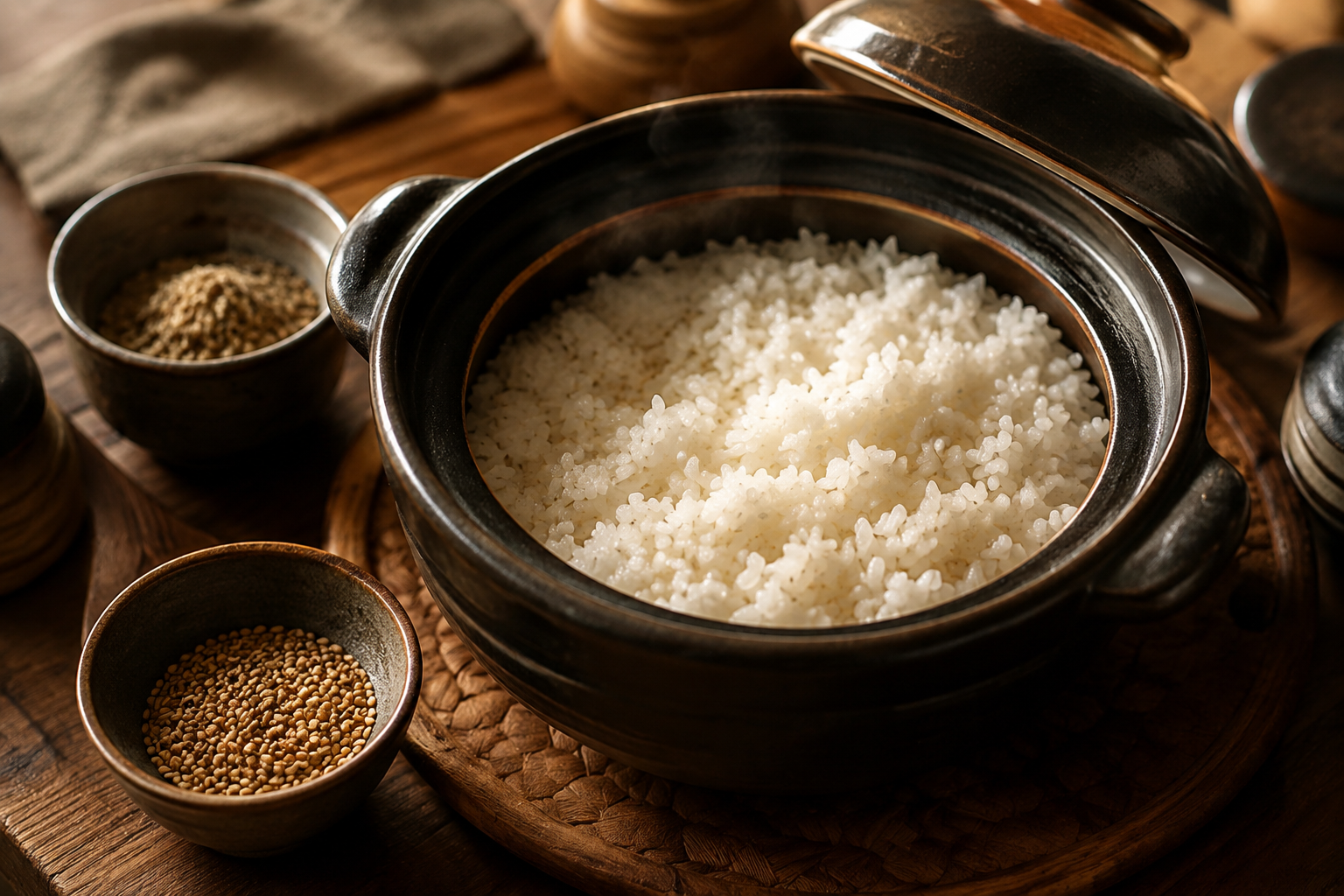
Donabe is well suited to rice, soups, hot pot and table-centered cooking, but it behaves differently from metal cookware. Nagatani-en states that its Iga donabe generally requires an initial seasoning process called medome, using rice porridge to help fill the porous clay, and warns that heating a wet donabe can cause cracking. It also recommends complete drying after washing.
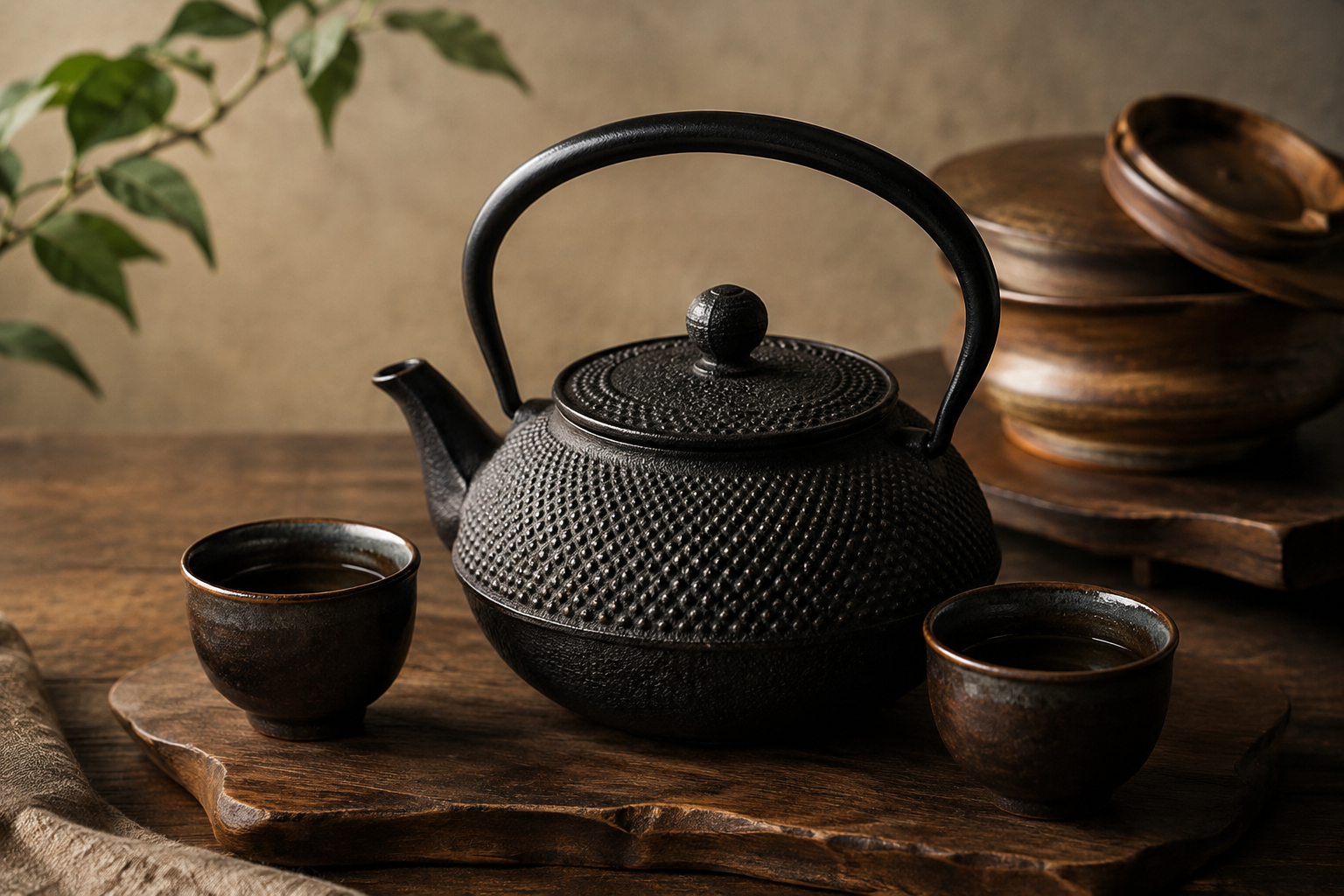
Nambu cast iron offers a different trade-off: high thermal mass, substantial weight and a need to manage moisture and the cooking surface carefully. Iwachu’s care guidance emphasizes drying after use and provides product-specific instructions for oiling, washing and induction compatibility. Treat those instructions as part of the product specification, not as optional folklore.
- Choose donabe if you will use rice, hot-pot or one-pot cooking often enough to justify the care routine
- Season porous clay as the manufacturer directs before first use
- Never assume a clay pot is safe to heat while damp
- Choose cast iron if weight is acceptable and you value heat retention
- Confirm induction compatibility on the exact ironware product rather than assuming all cast iron behaves the same
Recommended Option Types: Everyday Pans and Prep Tools
A specialized Japanese pan can be worthwhile when you already make the matching food regularly. A rectangular tamagoyaki pan makes sense for rolled omelets, while a lightweight yukihira-style saucepan can be useful for stocks, noodles, blanching and small-volume cooking. Compact prep tools such as graters, mortars and strainers can also deliver more daily value than large decorative cookware.
For these smaller items, compare dimensions and materials closely. A tool that looks compact in a product photograph may still be awkward in a small kitchen, and a handle material or coating may change how it should be washed and stored.
- Buy a tamagoyaki pan for repeated omelet use, not as a general frying-pan replacement
- Use small saucepans and prep tools to fill a clear gap in your existing setup
- Check handle material, coating and washing instructions
- Measure storage space before ordering unusually shaped tools
- Avoid buying sets when only one piece solves the task you actually have
Electric Tools: Voltage Before Features
Rice cookers and other electric appliances require a different buying checklist from knives or cookware. Electrical compatibility comes first. Zojirushi states that products made for one market should not simply be assumed safe in another, and its support guidance does not recommend relying on voltage converters or plug adapters for products intended for the US or Canada.
If you are considering a Japan-market appliance, check the rating label and the manufacturer’s official documentation before purchase. A plug adapter changes the shape of the connection only; it does not by itself make voltage or frequency compatible. Service and warranty coverage can also depend on the market where the appliance is sold.
- Check rated voltage and frequency before considering features
- Do not treat a travel plug adapter as an electrical compatibility solution
- Confirm warranty and service availability in the country where you will use the appliance
- Prefer a model designed for your destination market when available
- Keep the manufacturer manual for installation, cleaning and fault guidance
Compatibility, Authenticity and Care
Authenticity is not just about avoiding counterfeits. For kitchenware, it also means knowing who made the product, what material it uses, what heat source or electrical system it supports and how the maker expects it to be maintained. Product pages that omit dimensions, materials, care instructions or manufacturer identity give you less information to make a safe decision.
Before ordering, compare the seller listing with the maker’s own documentation where possible. For fragile clayware, heavy ironware and electric appliances, also check packaging, return conditions and what happens if the item arrives damaged or cannot be used in your country.
- Match seller specifications against manufacturer information
- Check material, dimensions, country or market version and care instructions
- Look for explicit burner or induction compatibility where relevant
- For electric goods, verify the rating rather than relying on listing shorthand
- Read return and damage policies before ordering heavy, fragile or electrical items
- Avoid listings that depend mainly on vague claims such as ‘professional,’ ‘authentic’ or ‘best’ without specifications
Buying Japanese cookware from outside Japan?
When an item is only available through a Japanese shop or marketplace, Remambo can act as the proxy purchase and international-shipping route. Check dimensions, material, shipping cost, customs and any country restrictions before ordering. New customers who register through Watoria’s tracked Remambo route receive a JPY 1,000 discount on their first international shipment.
Buy from Japan with RemamboBuying Route
The safest buying route depends on the product. A maker or authorized specialist is useful when care, fit or warranty details matter. A large marketplace can offer more choice, but the listing still needs clear seller identity and specifications. A proxy-buying service may help with Japan-only sellers, but it adds another layer to shipping, returns and communication.
Use the buying route that gives you the clearest specifications, realistic shipping terms and the best chance of resolving a problem if the item is unsuitable.
- Maker or official shop: strongest source for specifications and care
- Specialist retailer: useful when you need product comparison and category knowledge
- Marketplace: broader selection, but inspect seller identity and listing detail carefully
- Proxy-buying route: useful for Japan-only availability, with additional return and shipping complexity
- Before checkout anywhere, verify total dimensions, compatibility, shipping restrictions and return conditions
FAQ
- What is the best Japanese kitchen tool for a complete beginner?
- For most people, a versatile stainless-steel gyuto or santoku is the best starting point because it improves a task used in almost every meal. If your current knife is already good, choose the cookware or prep tool that matches the dish you make most often.
- Is a donabe difficult to maintain?
- It requires more care than ordinary metal cookware. Traditional Iga donabe may need initial seasoning, should not be heated while wet, and should be dried completely after washing. Follow the specific maker’s instructions because construction and care requirements can vary.
- Can I use Japanese cast-iron cookware on induction?
- Some ironware is induction-compatible, but you should confirm the exact product. Manufacturer guidance may set minimum base-size or usage restrictions, so do not assume compatibility from the material alone.
- Can I use a Japanese rice cooker overseas with a plug adapter?
- Do not assume so. A plug adapter only changes the connector shape. Check the appliance’s rated voltage and frequency and the manufacturer’s official guidance for the country where you will use it.
- How can I reduce the risk of buying unsuitable Japanese kitchenware online?
- Compare the seller listing with manufacturer specifications, confirm dimensions, materials, heat-source or electrical compatibility, read care instructions, and check return conditions before ordering.
Official References
A Beginner Purchase Order That Avoids Expensive Mistakes
Start with one tool that solves a repeated task. For most kitchens that means a versatile knife or everyday pan before specialist cookware. Add a donabe, tamagoyaki pan or electric appliance only after confirming your heat source, storage space and maintenance tolerance.
For electric tools, voltage and frequency compatibility come before features. For knives and cookware, check materials, dimensions, care instructions and whether replacement parts or sharpening support are realistic where you live.
When the exact model is sold internationally, the direct route is usually easier. When it is Japan-only, compare a proxy route against the extra shipping, return and warranty friction before buying.
Final Thoughts
The best Japanese kitchen tool is the one that fits a real task in your kitchen and whose maintenance you are willing to follow. Start with one versatile improvement, verify compatibility and maker instructions before buying, and add specialized tools only when they solve a repeated cooking need. That approach gives you the benefits of Japanese kitchen design without turning the collection itself into the goal.