Watoria Guide
Best Japanese Pantry Staples for Cooking at Home
A practical guide to the Japanese pantry staples that give home cooking its core balance of salt, acidity, fermentation and umami, with buying and storage advice for overseas readers.
- Quick Answer
- What You’ll Learn
- Best-Fit Summary: Build the Pantry in Functional Layers
- How to Choose Soy Sauce for Everyday Japanese Cooking
- Miso: Choose by Flavor, Not by Color Alone
- Rice Vinegar: The Clean Acid for Sushi Rice, Sunomono and Dressings
- Dashi Building Blocks: Kombu and Katsuobushi
- Dried Shiitake, Rice and Sesame Add Range Without Clutter
- Compatibility, Authenticity, Labels and Storage
- Buying Route for Overseas Cooks
- FAQ
- Related Guides
- Official References
- A Three-Layer Japanese Pantry for Real Cooking
- Final Thoughts
- Keep exploring Japanese culture
- Continue to the best buying / booking route
- Continue exploring
- Discover more Japan
- Primary sources
Quick Answer
Start with a small core rather than buying every Japanese condiment at once: naturally brewed soy sauce, a versatile miso, plain rice vinegar, kombu and katsuobushi for dashi, plus dried shiitake, Japanese-style short-grain rice and sesame or sesame oil. These staples cover seasoning, acidity, fermentation, broth and texture across soups, rice dishes, simmered foods, dressings and quick side dishes. Overseas buyers should compare ingredient labels, package size, storage instructions and shipping practicality before choosing Japan-only products.
What You’ll Learn
- Which Japanese pantry staples create the biggest range of everyday dishes.
- How soy sauce, miso, vinegar and dashi ingredients play different roles.
- What to check on Japanese food labels, especially ingredients, allergens and storage.
- Which shelf-stable items are easier to buy and ship internationally.
- How to build a compact pantry without duplicating similar products.
Best-Fit Summary: Build the Pantry in Functional Layers
A useful Japanese pantry is easier to understand when you organize it by function. Soy sauce provides salt and fermented depth; miso adds body and a different fermented character; rice vinegar adds clean acidity; dashi ingredients create a savory base; dried mushrooms add another layer of umami; rice and sesame support everyday meals rather than acting only as condiments.
For a beginner, one dependable option in each function is more useful than collecting several regional or premium versions before you know how you cook. You can expand later into lighter soy sauces, different miso styles, specialty vinegars or regional dashi ingredients.
- Seasoning: naturally brewed soy sauce.
- Fermented body: one versatile miso.
- Acidity: plain rice vinegar.
- Broth: kombu and katsuobushi.
- Extra umami: dried shiitake.
- Foundation foods: Japanese-style short-grain rice and sesame.
How to Choose Soy Sauce for Everyday Japanese Cooking
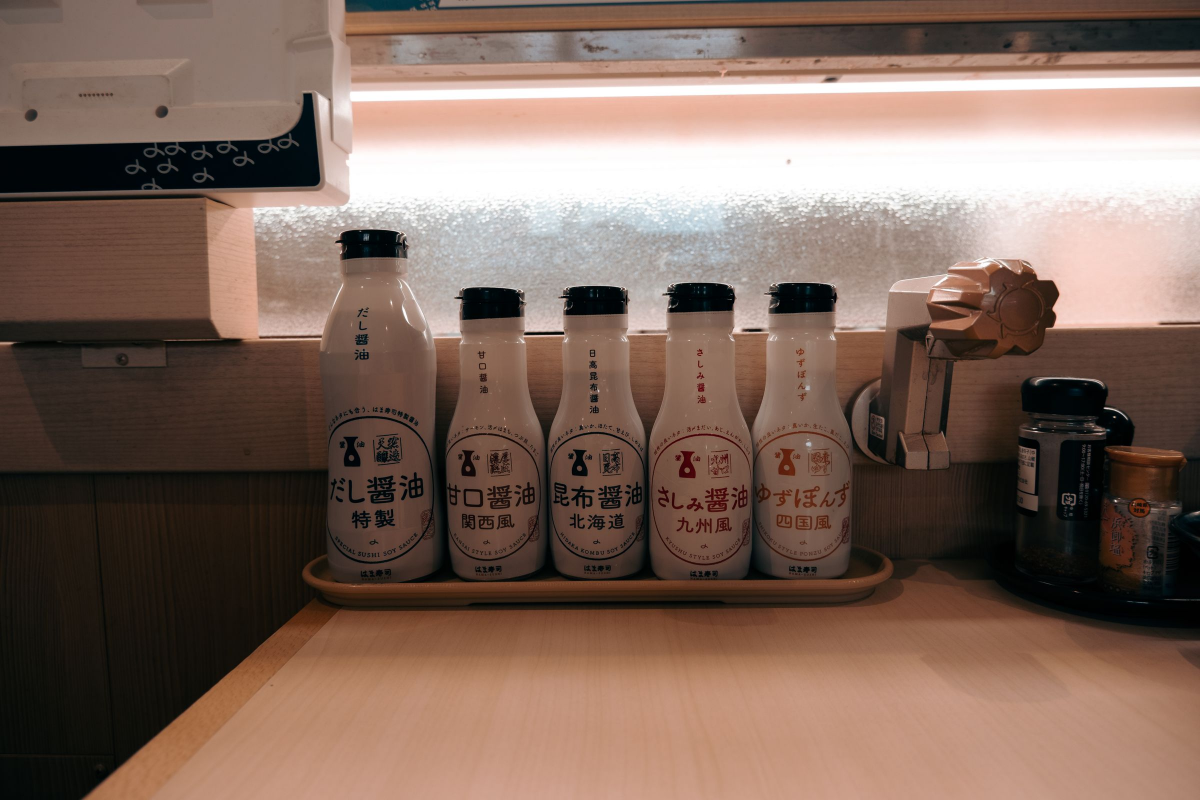
Soy sauce is the most broadly useful single seasoning in this pantry. Kikkoman describes traditional honjozo soy sauce as a fermented seasoning made from soybeans, wheat, salt and water. For a first bottle, an all-purpose koikuchi-style soy sauce is easier to use across dipping, simmering, marinades, dressings and soups than a highly specialized regional style.
Do not judge soy sauce only by color. Read the ingredients, check whether wheat is present if allergies matter, and choose a bottle size you can realistically finish after opening. A smaller bottle with good storage habits is often better than a large bottle that sits for months.
- Use an all-purpose naturally brewed soy sauce as the default first bottle.
- Check soybean and wheat allergen information on the actual label.
- Prefer a size that matches how often you cook rather than the lowest cost per milliliter.
Miso: Choose by Flavor, Not by Color Alone
Miso is made by fermenting soybeans with koji and salt, and Japanese miso varies by the grain used for koji, salt level, sweetness, region and aging. MAFF groups major styles by rice, barley and soybean koji and notes that color is affected by aging, so color alone is not a complete guide to taste.
For a beginner, a balanced rice miso is usually the most flexible starting point for miso soup, marinades, glazes and dressings. If you mainly want gentle soup or sweeter sauces, a milder miso may fit better; if you prefer stronger stews and robust seasoning, a darker or more assertive style can make sense.
- Start with one versatile rice miso unless you already know a regional style you prefer.
- Check refrigeration and storage instructions after opening.
- Compare saltiness and sweetness rather than treating white and red miso as simple quality levels.
Rice Vinegar: The Clean Acid for Sushi Rice, Sunomono and Dressings
Plain rice vinegar is a flexible pantry staple because it gives acidity without forcing a ready-made flavor profile. It can be used for sushi rice, sunomono, pickles, dressings and quick sauces, and it combines naturally with soy sauce, sugar, sesame and dashi.
For a first bottle, plain rice vinegar is usually more useful than pre-seasoned sushi vinegar because you control the salt and sweetness yourself. Check the product label carefully because seasoned products may already contain sugar and salt.
- Choose plain rice vinegar for the broadest range of cooking.
- Use seasoned sushi vinegar only when convenience is more important than control.
- Read the ingredient list so you know whether sweeteners or salt are already included.
Dashi Building Blocks: Kombu and Katsuobushi
Dashi is the structural backbone behind many Japanese soups, simmered dishes and sauces. MAFF highlights katsuobushi as an essential traditional ingredient and describes dashi as central to Japanese cuisine. Kombu contributes glutamate-rich savoriness, while katsuobushi brings a distinct dried-fish aroma and complementary umami.
You do not need to chase the most expensive kombu or whole blocks of dried bonito at the beginning. A practical starter pantry can use packaged kombu and good-quality shaved katsuobushi that are easy to portion and store. Keep both dry and well sealed.
- Kombu: useful for clear dashi, simmered foods and plant-forward stock.
- Katsuobushi: useful for classic dashi and as a finishing ingredient.
- Store dried dashi ingredients away from moisture, heat and strong odors.
Dried Shiitake, Rice and Sesame Add Range Without Clutter
Dried shiitake is a strong pantry ingredient because it stores well and contributes both texture and a deep savory soaking liquid. Japanese-style short-grain rice anchors many meals, while sesame seeds or sesame oil can quickly transform vegetables, noodles and dressings.
These ingredients are also useful because they do not duplicate the same function. Dried shiitake gives concentrated mushroom flavor, rice provides the meal base, and sesame adds aroma and richness. That makes them a more efficient use of pantry space than buying several similar sauces.
- Rehydrate dried shiitake and use the strained soaking liquid where appropriate.
- Store rice cool, dry and sealed from moisture and odors.
- Use sesame oil as a finishing or flavoring oil rather than assuming it replaces a neutral cooking oil.
Compatibility, Authenticity, Labels and Storage
Japanese packaged foods are primarily labeled for the Japanese market. The Consumer Affairs Agency explains that processed-food labels can include the product name, ingredients and allergens, quantity, date information, storage instructions, manufacturer information and nutrition information. Overseas buyers should use those fields as the basic verification checklist.
Authenticity is usually less about finding a special seal and more about traceability: a recognizable maker or seller, a normal ingredient label, intact packaging, clear best-before or use-by information, and storage instructions that make sense for the product. If you have a serious allergy, verify the exact product rather than relying on a translated marketplace summary.
- Check ingredients and allergens on the actual package.
- Check storage instructions before and after opening.
- Keep the seller page and product label until the shipment arrives and you have verified the goods.
Buying Route for Overseas Cooks
Shelf-stable dry ingredients are usually easier cross-border purchases than heavy liquids, refrigerated products or alcohol-containing seasonings. Soy sauce and vinegar can be inexpensive at the product level but relatively costly to ship because liquid weight adds up quickly. Miso can also be heavy, while kombu, katsuobushi and dried shiitake are comparatively light.
Before ordering from Japan, compare the total landed cost with a reputable local Asian grocery. Buying from Japan makes the most sense when you want a specific regional product, maker or format that is difficult to obtain locally—not simply because the item has a Japanese label. Check destination restrictions and carrier rules before purchasing food products.
- Prioritize hard-to-find regional or maker-specific products when ordering from Japan.
- Compare product price plus domestic shipping, international shipping and import charges.
- Confirm destination-country food restrictions before paying.
- Avoid oversized glass bottles when a smaller format meets the same cooking need.
FAQ
- What are the five most important Japanese pantry staples for a beginner?
- A compact first pantry can be built around all-purpose soy sauce, a versatile miso, plain rice vinegar, kombu and katsuobushi. Add Japanese-style short-grain rice and dried shiitake next if you cook Japanese food regularly.
- Do I need both kombu and katsuobushi?
- Not always, but they give you more range together. Kombu can make a clear or plant-forward stock on its own, while katsuobushi adds the characteristic aroma and savory depth of classic awase dashi.
- Is darker miso always stronger?
- Often it tastes more robust, but color is influenced by ingredients and aging and is not a complete measure of strength, sweetness or saltiness. Read the product description and choose by intended use.
- Should I order soy sauce and vinegar directly from Japan?
- Only when the specific product is difficult to find locally or the regional style matters to you. Liquids are heavy, so shipping can erase the price advantage of buying from Japan.
- What should I check on a Japanese food label?
- Check the product name, ingredients, allergens, quantity, best-before or use-by information, storage instructions, manufacturer or seller details, and nutrition information where provided.
Official References
A Three-Layer Japanese Pantry for Real Cooking
Layer 1 — seasoning: soy sauce, miso and rice vinegar cover a wide range of everyday flavor adjustments. Layer 2 — broth: kombu, katsuobushi or another dashi approach gives soups, simmered dishes and sauces a stronger base. Layer 3 — texture and finishing: sesame, dried shiitake and a reliable Japanese rice add range without filling the cupboard with one-use products.
This order is more useful than buying a large “Japanese pantry” bundle because each item has a clear job and can be replaced as you learn your own cooking habits.
For imported food, always check ingredient labels, best-before information, storage instructions and destination-country import rules before ordering.
Final Thoughts
A strong Japanese pantry is small, functional and easy to use. Start with one reliable product for seasoning, fermentation, acidity and dashi, then add dry ingredients that increase range without creating clutter. For overseas buying, reserve direct-from-Japan orders for genuinely distinctive products and compare the full shipping and storage burden before you buy.