- Quick Answer
- What You’ll Learn
- How buying from Japan online usually works
- Quick-Start Checklist: Your first purchase from Japan
- Step 1: Decide how you want to buy from Japan
- Step 2: Choose a trusted shop or service
- Step 3: Find the Japanese products you want
- Step 4: Understand payment options
- Step 5: Choose shipping from Japan to your country
- Step 6: Know how customs, duties, and taxes work
- Step 7: Place your order and track the shipment
- Safety and quality: Avoiding common problems
- Tips by product category
- Frequently asked questions
- Sources & References
- Related Buying Guides
- Final Thoughts
- Keep exploring Japanese culture
- Continue to the best buying / booking route
- Discover more Japan
- Primary sources
Quick Answer
To buy products from Japan online as a beginner, first decide whether you can order directly from a store that ships internationally or if you need help from a proxy/forwarding service. Create an account with your chosen shop or service, then search for the items you want (using English or simple Japanese keywords). Before paying, confirm accepted payment methods (often credit card or PayPal), available international shipping options, estimated delivery time, and whether taxes or import duties may be charged on arrival in your country. Place your order, track the shipment, and keep all emails and invoices in case you need to handle customs or returns.
What You’ll Learn
- How Japanese online shopping works and key terms like direct purchase, proxy, and forwarding services
- How to choose the right method for your needs, budget, and language comfort
- Step‑by‑step: from finding a product in Japan to having it shipped to your home
- Payment, shipping, and customs basics to avoid surprise fees and delays
- Safety checks to avoid scams, counterfeit goods, and damaged shipments
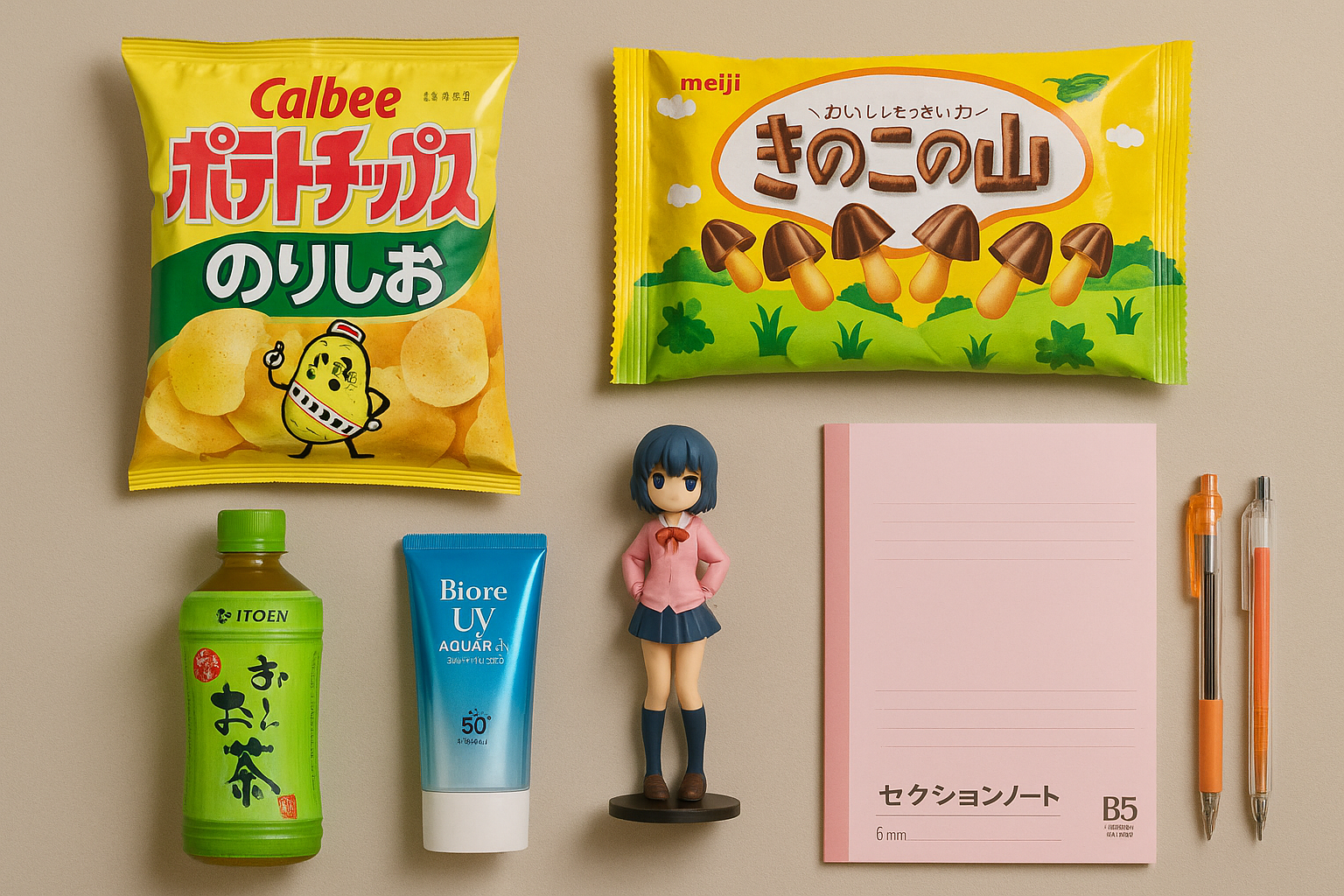
- Practical tips for buying popular categories like snacks, cosmetics, fashion, and anime goods
Whether you dream of trying seasonal KitKats, collecting limited anime goods, or upgrading your kitchen with Japanese tools, it’s now easier than ever to buy from Japan online. The challenge for beginners is knowing where to shop, how to place the order, and what to watch out for with shipping and customs.
This guide breaks everything into clear steps so you can complete your first purchase confidently, even if you don’t read Japanese.
How buying from Japan online usually works
Most beginners follow one of three paths when buying from Japan:
- Direct purchase from a Japanese store that ships overseas – simplest when available.
- Using a forwarding service – the store sends items to a Japanese address; the forwarder ships them to you.
- Using a proxy (shopping) service – the proxy buys from stores or marketplaces on your behalf and ships internationally.
Which path is best depends on the item you want, the shop’s rules, and your comfort level with Japanese websites. The sections below help you choose.
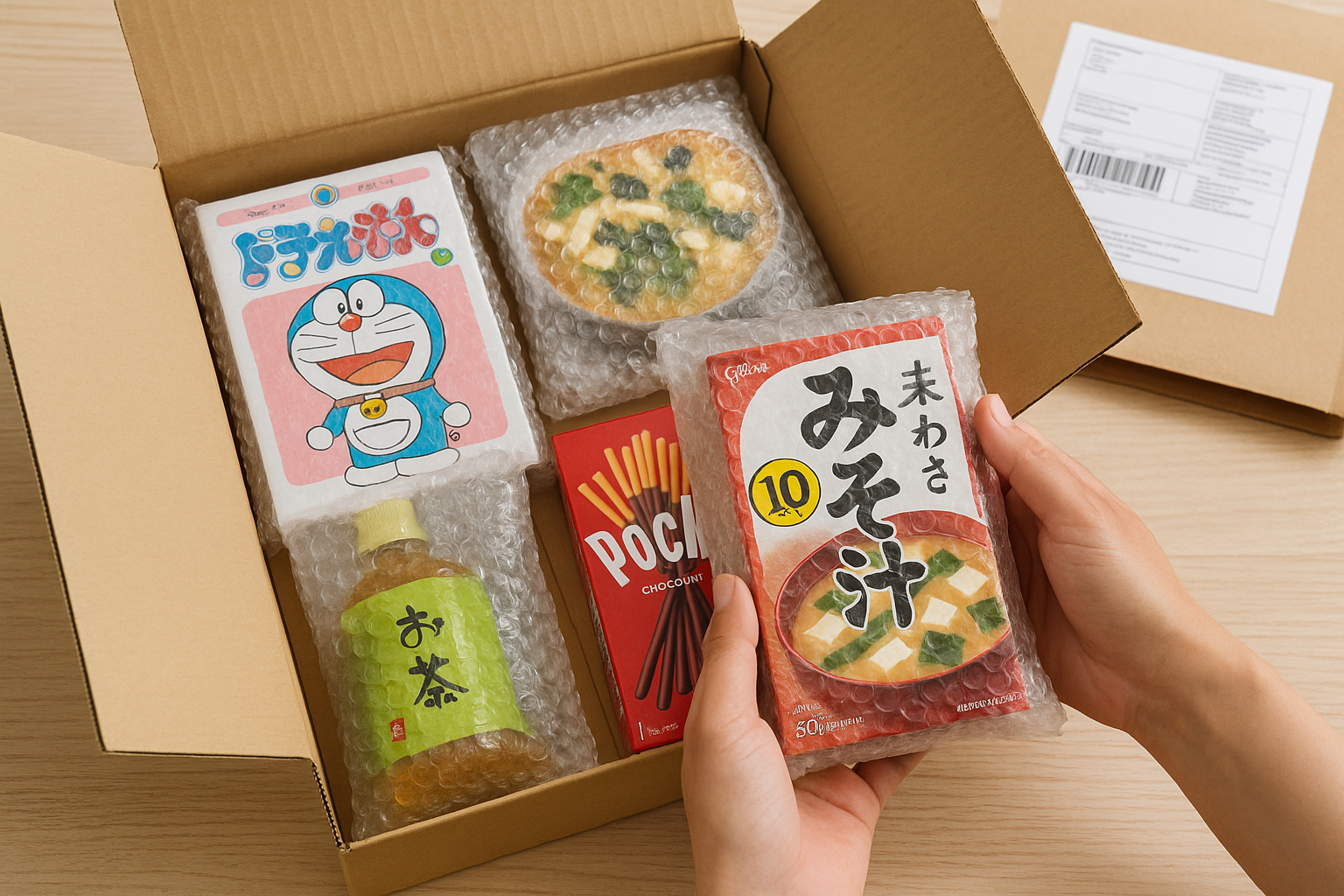
Quick-Start Checklist: Your first purchase from Japan
If you just want a simple roadmap, follow these steps:
- Decide your method: Try direct purchase first. If the store won’t ship to you, look at forwarding or proxy services.
- Pick a trusted platform or service: Use well‑known Japanese marketplaces or reputable proxy/forwarding companies with clear English pages and policies.
- Search for your item: Use English keywords first; if needed, copy simple Japanese names from official product pages.
- Check the basics before paying:
- Does it ship to your country?
- What are the shipping methods, prices, and estimated delivery times?
- Are there restrictions (for example, food, cosmetics, batteries)?
- Are taxes or import duties likely on arrival?
- Pay securely: Prefer credit card or PayPal where available, and keep all order emails.
- Track your package: Use the tracking number from the store or service until it arrives.
Step 1: Decide how you want to buy from Japan
Start by choosing the method that matches your situation. Here’s how the three main options compare at a glance:
| Method | Best for | Pros | Cons |
|---|---|---|---|
| Direct purchase | Big brands, global‑ready shops | Simple, no middleman, clear shipping | Selection may be limited; not all shops support English or overseas cards |
| Forwarding service | Shops that ship only within Japan | Access to many domestic‑only stores, you place the order yourself | Two shipping legs; fees; requires more manual steps |
| Proxy (shopping) service | Auctions, small shops, limited items | They handle purchase and domestic shipping; can combine orders | Service fees; fewer direct interactions with the original seller |
When direct purchase is enough
Many major Japanese brands and retailers now run English‑language or global versions of their online shops. These often show prices in multiple currencies and provide international shipping options at checkout. If the product you want is available there, this is typically the smoothest choice.
When you need a forwarding service
A forwarding service gives you a Japanese shipping address. You order directly from any store that will deliver domestically, send items to that address, and the forwarder then ships your package overseas for a fee. This is useful for Japanese‑only websites or brands that sell exclusively within Japan.
When a proxy (shopping) service makes sense
A proxy service steps in when you can’t place the order yourself—such as on auction sites, flea‑market apps, or small stores that require Japanese payment methods. You tell the proxy what to buy (often by pasting a URL), they purchase the item, receive it at their warehouse, and forward it to you.
Need a proxy for a Japan-only shop or marketplace?
If the seller will not accept your overseas checkout or does not ship internationally, Remambo is one proxy option for buying from Japanese shops and marketplaces. Compare its current service fees, shipping methods and terms before ordering. New customers who register through Watoria’s tracked Remambo route receive a JPY 1,000 discount on their first international shipment.
Check Remambo buying optionsStep 2: Choose a trusted shop or service
Once you’ve decided on a method, evaluate specific shops or services. Look for:
- Clear English information on shipping, fees, returns, and support
- Transparent pricing with itemized service and shipping fees
- Reputation – independent reviews and long‑term operation are positive signs
- Secure payment options such as credit cards or PayPal
- Contact methods – email or chat support that answers questions in understandable English
When in doubt, start with smaller, lower‑risk purchases before placing a large or expensive order.
Step 3: Find the Japanese products you want
With your platform or service chosen, it’s time to search for items.
Searching in English vs. Japanese
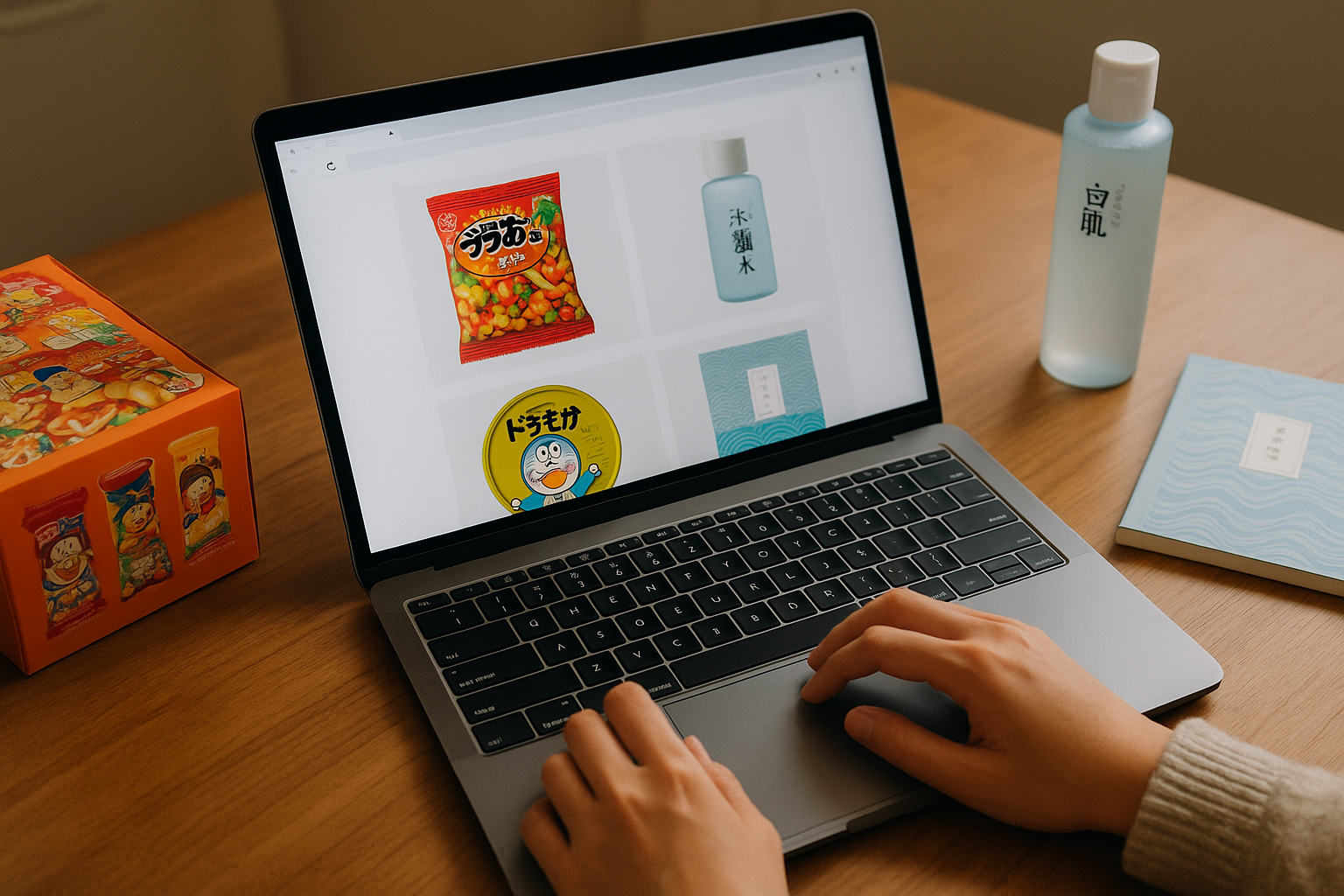
- Try English first. Many large sites support at least partial English search for popular brands, categories, or series names.
- Copy Japanese names when needed. If you see the item on a global site or social media, copy the official Japanese product or series name into the search bar.
- Use simple keywords. For example, instead of a long sentence, search “抹茶 キットカット” (matcha KitKat) or “シャープ ペン 0.5mm” (0.5 mm mechanical pencil).
Reading basic product details
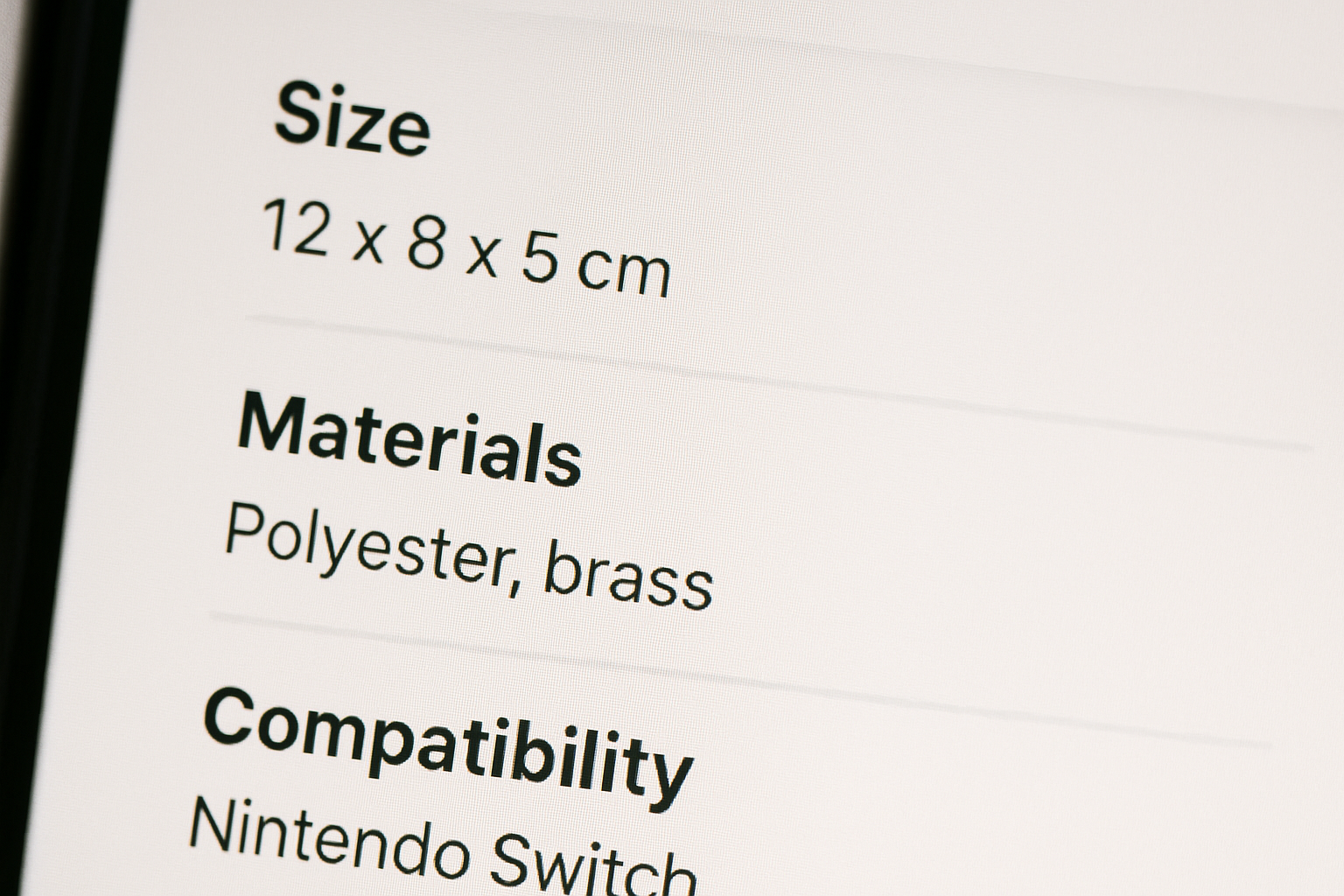
If a page is mostly in Japanese, your browser’s built‑in translation can help. Check:
- Size and quantity – packaging photos and measurements prevent surprises.
- Material or ingredients – especially important for clothing, kitchenware, food, and cosmetics.
- Compatibility – for electronics, look at voltage, plug type, and supported regions.
- Release or expiration dates – key for limited editions and perishable items.
Step 4: Understand payment options
Payment is often where beginners hesitate, especially with Japanese‑only shops. Typical options include:
- Credit / debit cards – widely used for international orders, but some Japanese shops only accept cards issued in Japan.
- PayPal – common with international‑friendly retailers and some proxy services.
- Bank transfer or convenience‑store payment – popular within Japan but hard for overseas buyers; forwarding or proxy services can bridge this gap.
If your card is declined directly on a Japanese site, using a proxy or forwarding service that accepts international payments can be a practical workaround.
Step 5: Choose shipping from Japan to your country
International shipping cost and speed depend on:
- Destination country and region
- Package weight and size
- Selected shipping method (for example, economy vs. express)
Common shipping options from Japan
Options vary by store and service, but you’ll often see:
- Express courier services (for example, major global couriers) – fastest and usually fully tracked, but more expensive.
- International postal services (airmail, registered, or EMS‑type express mail) – balance of cost and speed for many buyers.
- Economy and surface mail – the cheapest, suitable for non‑urgent and durable items; transit can take several weeks or more.
Pack carefully, especially for fragile items
If you use a forwarding or proxy service, look for options such as:
- Extra bubble‑wrap or padding
- Reinforced boxes for heavy or fragile items
- Photo inspection at the warehouse before shipping
Step 6: Know how customs, duties, and taxes work
Many beginners are surprised by extra costs when their package arrives. These aren’t Japanese charges—they come from your own country’s import rules.
What may be added on arrival
- Import duty – a tax on certain goods above a threshold value.
- Sales or value‑added tax (VAT/GST) – applied to imported goods in many countries.
- Handling or brokerage fees – charged by the courier for processing customs paperwork.
Rules differ by country and can change over time, so it’s wise to check your government’s customs website or contact the postal service or courier to understand current thresholds and rates before placing a large order.
Declaring value honestly
Packages normally need a customs declaration with the contents and value. Under‑declaring value or mislabeling items to avoid tax can cause fines, confiscation, or delays. Stick to accurate descriptions and values for a smoother process.
Step 7: Place your order and track the shipment
Once you’re comfortable with costs and shipping, you can complete the checkout.
Direct from a Japanese shop (example flow)
- Add items to your cart and go to checkout.
- Create an account or log in.
- Enter your full international address in English (follow any formatting guidance provided).
- Select your shipping method and review the cost.
- Enter payment details and confirm the order.
- Save confirmation emails and note your order number and tracking code.
Using a forwarding or proxy service (example flow)
- Sign up with the service and receive your Japanese address or order form.
- Order the item to the service’s address (forwarder) or submit the product URL and details (proxy).
- Wait for notification that your items have arrived at the warehouse.
- Choose consolidation or additional packing if desired.
- Select international shipping, confirm the final cost, and pay.
- Track the package until it arrives at your door.
Safety and quality: Avoiding common problems
Most orders from Japan arrive safely, but it’s smart to protect yourself. Pay attention to:
- Counterfeit items – particularly for popular anime goods, designer fashion, and electronics. Prefer official shops or licensed retailers when authenticity matters.
- Too‑good‑to‑be‑true prices – unusually low pricing from unknown sellers can signal fakes or scams.
- Second‑hand condition grades – auctions and resale platforms often grade items; read the description carefully.
- Return and refund policies – international returns can be costly. Know what happens if something arrives damaged or not as described.
Tips by product category
Food, tea & sweets
- Check expiration dates and shipping times; avoid very short‑dated products on slow shipping methods.
- Some countries restrict meat, dairy, and fresh items. Verify what’s allowed with your customs authority.
Beauty & wellness
- Review ingredients for potential allergies.
- Know that product lines and formulations may differ from versions sold in your country.
Kitchen & dining, home goods
- Check size and capacity carefully—Japanese cookware and tableware can be smaller than you expect.
- For electrical appliances, confirm voltage and plug compatibility before buying.
Fashion & accessories
- Japanese sizing often runs smaller than many Western brands; use measurement charts rather than just S/M/L labels.
- Check return options; exchanging sizes internationally may not be practical.
Stationery, art & collectibles
- Consider rigid packaging for art prints and delicate items.
- For limited editions, order quickly; availability can change fast.
Frequently asked questions
Is it safe to buy products from Japan online?
Yes, as long as you use reputable shops and services. Japan has a strong consumer protection culture, and major retailers and well‑known proxy or forwarding services handle international orders every day. Your main tasks are checking seller reputation, reading policies, and using secure payment methods.
How long does shipping from Japan usually take?
Delivery time depends on your location and shipping method. Express courier shipments can arrive in a few days for many destinations, while economy options or surface mail may take several weeks or more. Holidays, customs inspections, and global shipping conditions can also affect timing.
Why do I have to pay extra money when my package arrives?
Those charges usually come from your own country’s customs and tax system, not from Japan. If the value of your package exceeds certain thresholds, import duties, sales or value‑added tax, and handling fees may be applied before the package is released for delivery. Checking these rules in advance helps you estimate total cost.
Can I return items to Japan if I change my mind?
Sometimes, but it can be complicated. Many shops accept returns for defective items within a time limit, but international return shipping is usually your responsibility and can be expensive. Before ordering, read each store or service’s return and refund policy, especially for clothing and electronics.
Do I need to know Japanese to order?
No. Many major platforms offer English interfaces, and browser translation can help with Japanese‑only pages. However, being patient with translations and double‑checking important details like size, color, and quantity is important to avoid misunderstandings.
Sources & References
- Japan Customs – Import procedures for personal shipments
- Japan Post – International mail services overview
- DHL Express – Duties & Taxes Paid vs Unpaid explanation
- US Customs and Border Protection – De minimis value and informal entries
- European Commission – VAT on e-commerce and imports
- Japan Tourism Agency – Consumer protection information
Final Thoughts
Once you get familiar with the basic structures of Japanese online shopping—where to buy, how shipping works, and what customs might charge—the whole process becomes much less intimidating. Start small, keep records of your orders, and learn from each experience. Over time, you’ll be able to confidently access the full range of Japanese products from home, whether you’re stocking your pantry, upgrading your stationery, or tracking down limited collectibles.