Watoria Guide
Best Japanese Snack Subscription Boxes Compared
Compare TokyoTreat, Sakuraco and Bokksu by snack style, cultural depth, dietary information, shipping and subscription fit—without relying on temporary prices or hype.
- Quick Answer
- What You’ll Learn
- Best-Fit Summary: Choose by Snack Style, Not Hype
- What You Are Actually Comparing
- Comparison Criteria That Matter Most
- TokyoTreat: Best Fit for Pop-Snack Variety
- Sakuraco: Best Fit for Traditional Sweets and Tea
- Bokksu: Best Fit for Premium Regional Discovery
- Allergies and Dietary Restrictions Need Extra Caution
- Shipping, Customs and Climate Can Change the Experience
- Buying Route: Subscription, Gift or Shorter Commitment?
- How to Make the Final Choice in Five Minutes
- FAQ
- Related Guides
- Official References
- Final Thoughts
- Keep exploring Japanese culture
- Continue to the best buying / booking route
- Continue exploring
- Useful guides
- Discover more Japan
- Primary sources
Quick Answer
There is no single best Japanese snack subscription box for everyone. TokyoTreat is the strongest fit if you want colorful, mainstream and seasonal Japanese snacks in a fun variety-focused format. Sakuraco is better suited to readers who prefer traditional wagashi, tea, regional makers and a slower cultural tea-time experience. Bokksu is a strong fit for premium regional snacks, tea and detailed maker stories. Before subscribing, check your country’s current shipping method, the renewal terms, and whether the provider gives enough ingredient and allergen information for your needs. Older comparison lists may still mention ZenPop, but ZenPop officially announced that it would end operations in June 2026, so it should not be treated as a current active option.
What You’ll Learn
- How TokyoTreat, Sakuraco and Bokksu differ in snack style and cultural focus
- Which comparison criteria matter more than temporary monthly pricing
- Why food allergies and dietary restrictions require extra caution with mixed boxes
- How international shipping, customs and climate can affect the experience
- How to choose between a recurring subscription, gift plan or shorter commitment
Best-Fit Summary: Choose by Snack Style, Not Hype
Japanese snack boxes can look similar from the outside: a parcel arrives each month, it contains a curated mix of products, and part of the appeal is discovering items you probably would not have chosen individually. The important differences are inside the curation. Some services emphasize familiar convenience-store and limited-edition snacks, while others lean toward regional confectionery, tea, artisan makers and cultural storytelling.
For that reason, this comparison uses a best-fit approach rather than declaring a universal winner. TokyoTreat currently emphasizes full-size, Japan-exclusive and seasonal snacks across candy, chips, baked goods, drinks and other playful categories. Sakuraco focuses more heavily on traditional sweets, tea and products from local makers, presented through seasonal and regional themes. Bokksu positions its box around premium Japanese snacks and tea, with maker and origin information in its culture guide.
One freshness note matters in 2026: older roundups may still list ZenPop as an active Japanese subscription-box choice, but ZenPop announced that it would end operations in June 2026. That makes current official status more important than relying on an old 'top 10' article.
- Choose TokyoTreat if your priority is colorful variety, mainstream Japanese snack culture and full-size products.
- Choose Sakuraco if your priority is traditional wagashi, tea, regional themes and a refined tea-time experience.
- Choose Bokksu if your priority is premium regional snacks, tea pairings and maker-focused cultural context.
- Treat any subscription as a changing monthly experience rather than a fixed product list.
What You Are Actually Comparing
A snack subscription is not the same as ordering a fixed assortment from an online store. The monthly box is curated, themes rotate, and exact products can change. A fair comparison therefore should not depend on one month’s contents, a temporary coupon or a single viral snack.
Instead, compare the service model: what kind of snacks the company consistently tries to curate, how much cultural explanation it provides, how transparent it is about ingredients and allergens, what shipping routes are available to your country, and how easy the subscription is to manage. Those factors remain useful even when a particular month’s lineup changes.
This distinction also prevents a common mistake: assuming the box with the largest-looking pile is automatically the best value. A traditional wagashi-and-tea box and a pop-snack variety box are offering different experiences, so item count alone does not answer which one fits you.
- Curation style matters more than one photographed month.
- Item count should be read together with portion format and product type.
- Shipping and customs can materially change the real cost and convenience.
- Subscription management matters because many plans renew automatically.
Comparison Criteria That Matter Most
The most useful comparison starts with six questions. First, do you want modern convenience-store style snacks or more traditional confectionery? Second, do you care about tea and regional craft stories? Third, do you need detailed allergen or dietary information? Fourth, is your destination reliably served? Fifth, do you want a surprise every month or would a gift or shorter plan be safer? Sixth, how much do you value a booklet that explains makers, origins and cultural context?
Do not over-weight temporary headline prices. Subscription sites regularly change promotions, shipping charges, tax treatment and plan incentives. A lower advertised monthly figure can also come with a longer prepaid commitment. For an overseas buyer, the better comparison is the total checkout amount for your destination, the renewal structure and the actual style of box you want.
For authenticity, look for concrete sourcing information rather than vague 'Japan-inspired' language. Official descriptions from Sakuraco and Bokksu explicitly discuss Japanese makers, regional products and culture guides, while TokyoTreat emphasizes Japan-exclusive, seasonal and popular snack categories.
- Snack style: modern/pop vs traditional/regional
- Cultural depth: basic snack notes vs maker, prefecture and tradition stories
- Dietary transparency: ingredient language, allergen information and customization limits
- International logistics: destination eligibility, tracking, taxes and customs
- Commitment: renewal, prepaid term, pause/cancel options and gift structure
- Experience format: surprise discovery vs more focused tea-time curation
TokyoTreat: Best Fit for Pop-Snack Variety
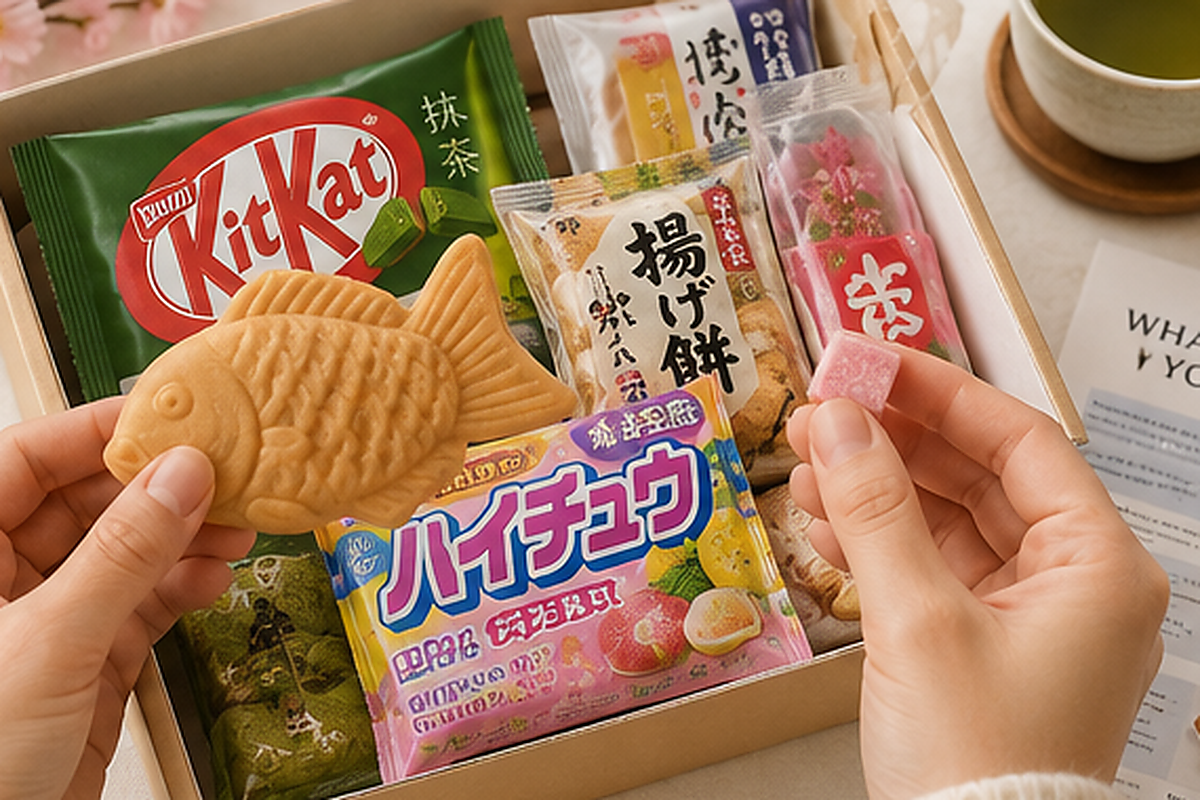
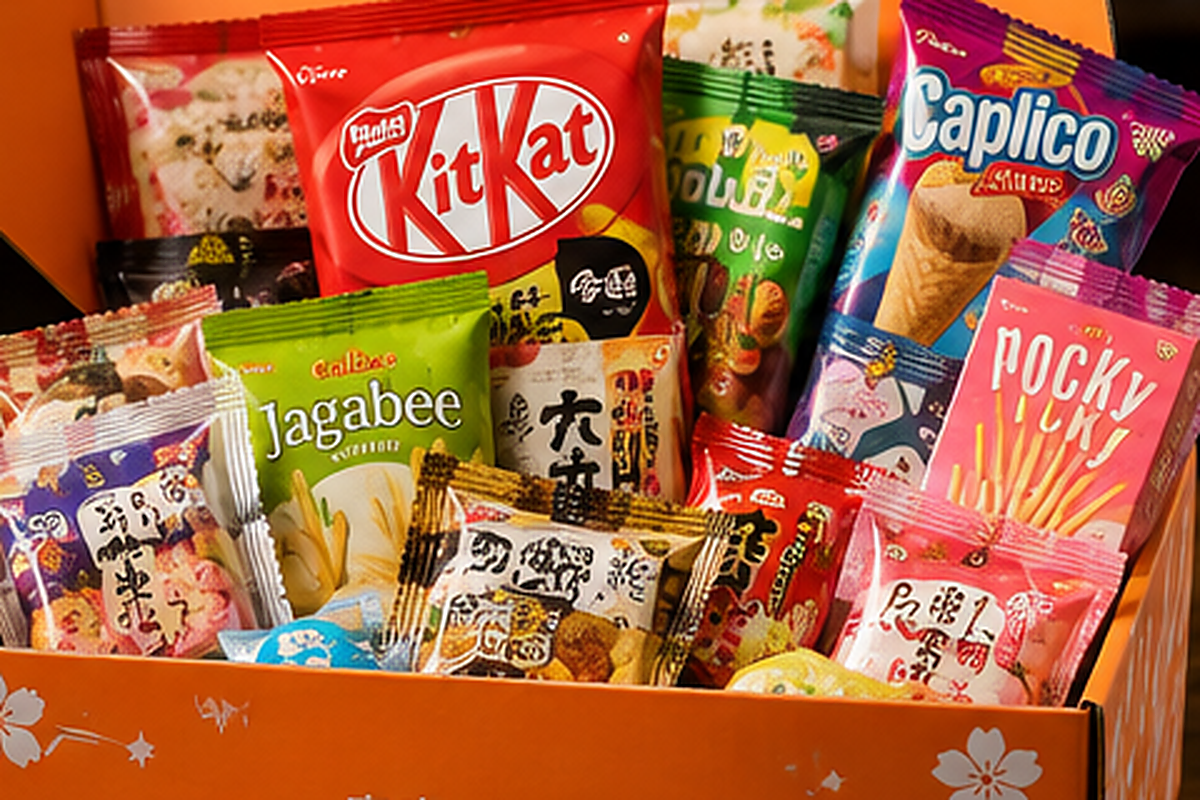
TokyoTreat is the clearest fit for readers who want the energetic side of Japanese snack culture: seasonal flavors, recognizable mass-market brands, candy, chips, baked goods, gummies and other convenience-store style discoveries. Its official help center currently describes a typical TokyoTreat box as containing roughly 12 to 15 full-size Japanese snacks, with the selection changing each month.
That makes TokyoTreat attractive when variety and novelty are the main goal. The current product pages emphasize categories such as Japan-exclusive KitKat flavors, cakes and breads, noodles, chips, candies, drinks, mochi and jellies. The experience is deliberately broad rather than narrowly traditional.
The trade-off is dietary control. TokyoTreat’s support material says it does not offer custom boxes for dietary restrictions and does not provide vegan-only or halal-only subscription boxes. Ingredient information can also be Japanese-only, so readers with serious allergies should treat that as a major decision factor rather than an afterthought.
- Strong fit for: modern Japanese snack culture, seasonal flavors, colorful variety and full-size products.
- Less ideal for: readers who want a tightly traditional wagashi-and-tea focus.
- Check before paying: current destination shipping method, taxes, renewal terms and dietary suitability.
Sakuraco: Best Fit for Traditional Sweets and Tea
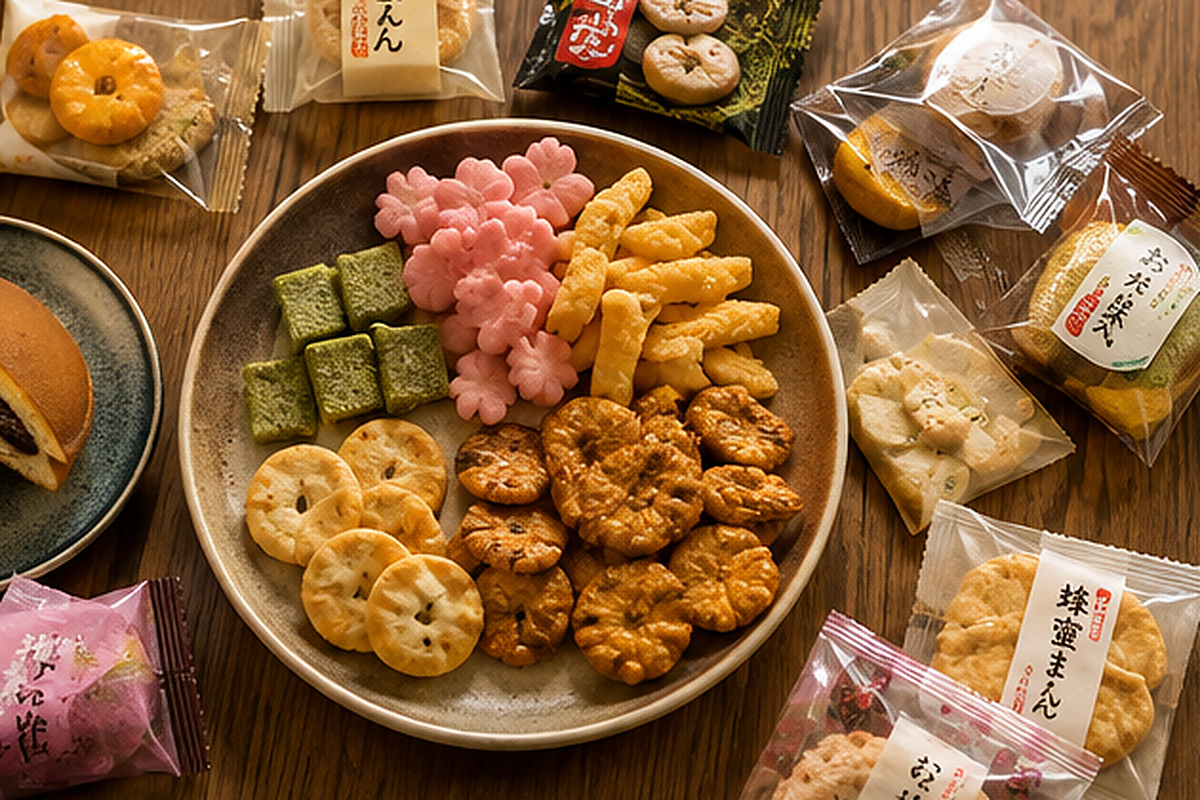
Sakuraco is designed around a different mood. Its official pages emphasize traditional Japanese sweets, tea, regional specialties and products from local makers. The service also uses monthly themes tied to prefectures, seasons, festivals and other cultural topics, making it more of a tea-time cultural box than a general candy crate.
Official Sakuraco pages currently describe up to 20 items in a box and highlight wagashi, tea, a culture guide and, in some boxes, a small home good connected to Japanese craft traditions. That combination makes Sakuraco especially suitable for readers who want to understand why a snack belongs to a place, season or custom rather than simply trying the newest flavor.
The same dietary caution still applies. Sakuraco’s support information notes that snack information is provided in the box but may not be comprehensive enough to guarantee safety for every allergy. If your diet requires strict avoidance, contact support before subscribing and do not assume that a traditional-looking product has a simple ingredient list.
- Strong fit for: wagashi, tea, regional makers, seasonal themes and cultural storytelling.
- Good gift profile for: readers who enjoy a calmer, more presentation-focused unboxing.
- Less ideal for: someone mainly chasing novelty soda, chips, convenience-store candy and pop collaborations.
Bokksu: Best Fit for Premium Regional Discovery
Bokksu sits close to Sakuraco in cultural depth but has its own emphasis. Its current subscription page describes a box containing about 20 to 22 Japanese snacks, sweets and tea, supported by a culture guide with information on origins, flavor notes and common allergens. Bokksu also highlights products sourced from family-run makers in Japan.
The appeal is strongest for readers who want a premium regional-tasting experience and who enjoy learning about the producer behind an item. It is less about recreating a convenience-store haul and more about presenting a curated tasting journey through different regions and makers.
Bokksu’s shipping policy states that snack boxes ship directly from Japan and that arrival timing varies by destination and shipping method. Its terms also make clear that international recipients may be responsible for destination-country customs, duties or taxes. Those details are important when comparing the real experience with another box that may use different shipping arrangements.
- Strong fit for: premium regional snacks, tea, maker stories and a structured culture guide.
- Useful for: readers who value origin and producer context as much as novelty.
- Check before paying: destination eligibility, current shipping charges, customs treatment and subscription terms.
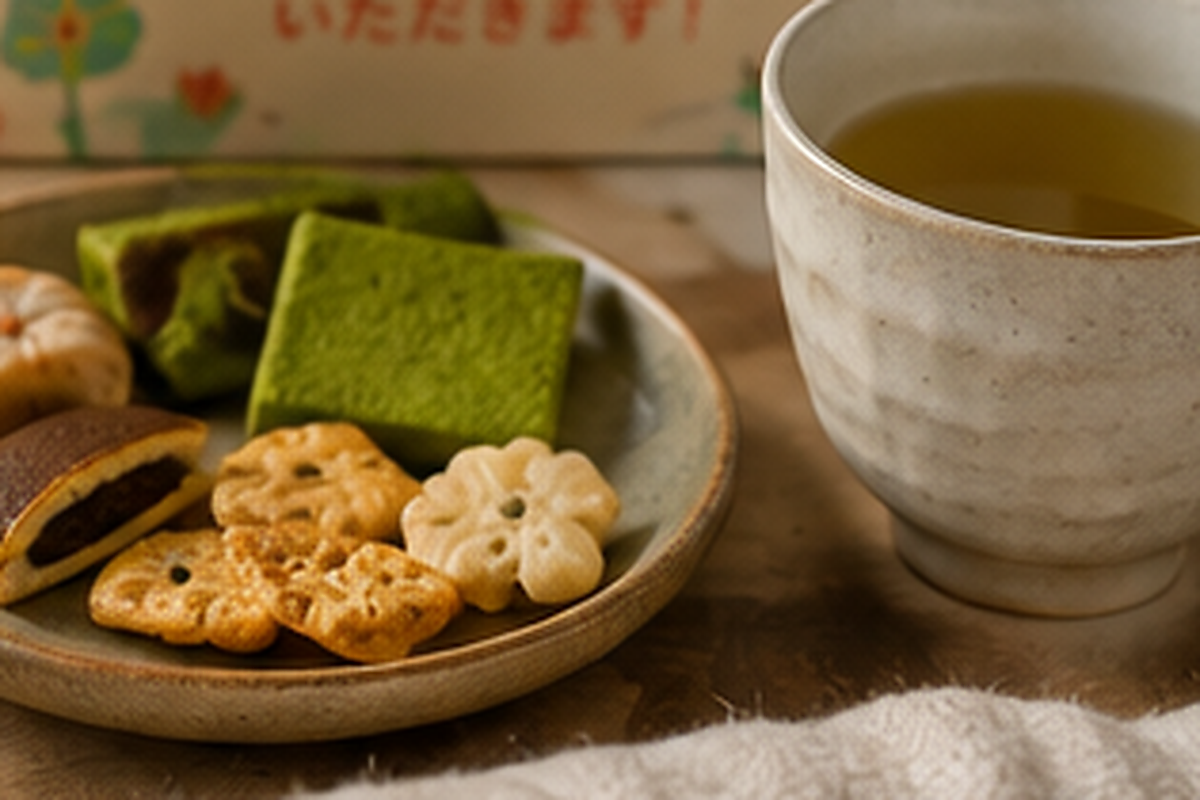
Allergies and Dietary Restrictions Need Extra Caution
Mixed Japanese snack boxes are a poor place to make assumptions about allergens. Japan has a formal food-labeling system, but the allergens required or commonly highlighted in Japan do not perfectly mirror the rules in every destination country. The Consumer Affairs Agency specifically warns that an allergen that must be declared overseas may not necessarily be labeled in the same way in Japan.
Language creates a second problem. TokyoTreat’s support pages note that ingredient information may be available only in Japanese and that its subscription boxes are not customized around individual dietary restrictions. Bokksu provides common-allergen information in its culture guide, but its terms still tell customers to verify products and note that products are not necessarily made in allergen-free facilities.
If an allergy could cause a serious reaction, do not rely on visual inspection, flavor names or an English summary alone. Confirm the exact product information with the provider before eating it. For vegan, vegetarian, halal or other strict diets, a mixed surprise box may also create waste if several items cannot be eaten.
- Do not assume that Japanese and home-country allergen labeling rules are identical.
- Treat incomplete or Japanese-only ingredient information as a real limitation.
- For severe allergies, contact the provider and avoid any item you cannot verify.
- A curated box is convenient only if you can safely use most of what it contains.
Shipping, Customs and Climate Can Change the Experience
International shipping is not a footnote for food subscriptions; it is part of the product. TokyoTreat’s shipping help page groups countries by available methods and notes that methods can change with international shipping conditions. Sakuraco uses the same support ecosystem, so destination eligibility and available service should be checked at the time of purchase rather than assumed from an older review.
Bokksu states that its snack boxes ship directly from Japan and that delivery time depends on destination and method. Customs processing can add uncertainty, and import taxes or duties may be charged by the destination country. Watoria therefore does not treat any provider’s shipping fee or delivery estimate as permanent.
Climate also matters. Chocolate, soft candy and other heat-sensitive items can arrive differently after a long summer journey than they would in Japan. If you live in a very hot region, examine the provider’s current shipping guidance and think about seasonal timing before committing to several months.
- Verify that your exact country is currently supported.
- Check whether tracking is included or available.
- Read who pays import tax, VAT, customs or carrier fees.
- Expect international delivery estimates to be estimates, not guarantees.
- Consider heat exposure for chocolate and other temperature-sensitive snacks.
Buying Route: Subscription, Gift or Shorter Commitment?
The safest first purchase is often not the longest plan. Longer subscriptions can reduce the effective monthly price during some promotions, but they also increase commitment before you know whether the curation fits your taste. If you are new to Japanese snacks, start by comparing the shortest subscription or non-renewing gift route each provider currently offers.
Before checkout, separate three numbers: the plan price, shipping, and any taxes or duties that may apply. Then check whether the term renews automatically and how cancellation, pausing or renewal management works. These details matter more than a temporary 'save' badge on the landing page.
Gift plans deserve separate attention because a recipient may have allergies, dislike certain textures or be unavailable to receive an international parcel. A good gift decision is based on the recipient’s eating style and delivery situation, not simply on which box photographs best.
- New to subscription boxes: favor a shorter commitment first.
- Buying as a gift: confirm dietary restrictions and delivery availability.
- Comparing cost: use the final destination-specific checkout total, not only the headline monthly figure.
- Before paying: understand renewal, cancellation and account-management rules.
How to Make the Final Choice in Five Minutes
Start with taste. If you want the broadest pop-snack experience with seasonal convenience-store energy, put TokyoTreat first on your shortlist. If you want wagashi, tea and a strong regional-cultural theme, start with Sakuraco. If you want premium regional snacks with maker stories and a detailed guide, start with Bokksu.
Next, eliminate any service that does not meet your non-negotiables: destination shipping, allergy safety, dietary compatibility or acceptable subscription terms. Only after that should you compare the current checkout total. This order prevents a cheap promotion from pushing you toward a box that does not fit your needs.
Finally, remember that subscription-box quality is partly about curation consistency over time. Review the provider’s official current and past box pages, not just influencer unboxings, so you can see whether several months of themes match the experience you actually want.
- Want fun, mainstream and seasonal variety? Shortlist TokyoTreat.
- Want traditional tea-time culture and wagashi? Shortlist Sakuraco.
- Want premium regional makers and detailed cultural context? Shortlist Bokksu.
- Have a severe allergy or strict diet? Verify suitability before subscribing to any mixed surprise box.
- Unsure? Choose the shortest reasonable commitment and reassess after the first box.
FAQ
- Which Japanese snack subscription box is best for first-time buyers?
- For a first-time buyer who wants broad, recognizable and playful Japanese snack variety, TokyoTreat is an easy starting point. If you already know you prefer traditional sweets and tea, Sakuraco may fit better. Bokksu is better suited to readers who prioritize premium regional products and maker stories.
- Which box is best for traditional Japanese snacks?
- Sakuraco and Bokksu both emphasize traditional and regional Japanese products more strongly than a pop-snack variety box. Sakuraco leans especially toward wagashi, tea and seasonal cultural themes, while Bokksu emphasizes premium regional snacks and maker-focused storytelling.
- Are Japanese snack subscription boxes safe for people with food allergies?
- Do not assume so. Ingredient language, allergen rules and cross-contact information can differ from what you are used to at home. Check each provider’s current allergen guidance and contact support when necessary. For a severe allergy, avoid any product whose ingredients or manufacturing information you cannot verify.
- Do snack subscription boxes include shipping in the advertised price?
- Not always, and policies can change by destination. Use the provider’s current checkout and shipping page for your country. Also check whether import tax, VAT, customs duty or carrier fees can be charged separately.
- Is a longer subscription always better value?
- Not necessarily. Longer plans may lower the effective monthly price, but they increase commitment and can be billed in larger upfront amounts. The better choice for a new subscriber is often the shortest plan that lets you test the curation without taking unnecessary risk.
- Is ZenPop still an active Japanese snack subscription box in 2026?
- ZenPop announced that it would end operations in June 2026, so it should not be treated as a current active option in an August 2026 comparison.
Official References
- TokyoTreat — Japanese Snacks & Category Guide
- TokyoTreat Help — What do I get in my TokyoTreat box?
- TokyoTreat Help — Shipping Information
- TokyoTreat Help — Allergy information and custom-box limits
- TokyoTreat Help — Vegan and halal box options
- Sakuraco — Japanese Snacks & Candy Subscription Box
- Sakuraco — Choose Your Plan
- Sakuraco Help — Allergy information and custom-box limits
- Bokksu — Japanese Snack Box Subscription
- Bokksu — Shipping Policy
- Bokksu — Terms and Conditions
- Consumer Affairs Agency of Japan — Food Labelling
- Consumer Affairs Agency of Japan — Japan's Food Labelling System (English)
- ZenPop — End of Operations Announcement
Final Thoughts
The best Japanese snack subscription box is the one whose curation style matches what you actually want to eat and learn about. TokyoTreat, Sakuraco and Bokksu currently serve three distinct reader profiles rather than one identical market. Compare the experience first, eliminate any option that fails your shipping or dietary requirements, and only then compare the current checkout total. That produces a more reliable choice than following a temporary discount or a generic ranking.