Watoria Guide
How to Avoid Counterfeit Japanese Products and Scam Stores
An editorial guide to avoiding fake Japanese products and scam stores, spotting red flags, and using neutral, verifiable checks to protect yourself when shopping.
- Quick Answer
- What You’ll Learn
- Safely Enjoy Authentic Japanese Products Online
- 1. Why Counterfeit Japanese Products Are a Real Problem
- 2. How Counterfeiters Target Fans of Japanese Brands
- 3. Origin, Makers, and Cultural Context: What “Japanese” Really Means
- 4. How to Evaluate an Online Store Before You Buy
- 5. Red Flags in Product Listings: When an Offer Is Too Good to Be True
- 6. How to Check If Your Japanese‑Branded Product Is Genuine
- 7. Authenticity and Compatibility Across Popular Japanese Categories
- 8. How to Choose Safer Paths to Japanese Products
- 9. What to Do if You Suspect a Counterfeit or Scam Store
- FAQ
- Related Guides
- Sources & References
- Final Thoughts
- Keep exploring Japanese culture
- Continue to the best buying / booking route
- Discover more Japan
- Primary sources
Quick Answer
To avoid counterfeit Japanese products and scam stores, rely on reputable retailers and official brand channels, check that the website and company details are genuine, be wary of “too good to be true” prices and pressure to pay via bank transfer or chat, and always inspect packaging, labeling, and performance when your order arrives. Use information from public agencies and rights holders to recognize common scam patterns. If you suspect a fake, stop using the product, document everything, contact the seller or platform, and report the issue to relevant consumer or enforcement bodies where possible.
What You’ll Learn
- Why counterfeit and fake “Japanese” products pose safety, quality, and legal risks
- How counterfeiters and scam stores typically target fans of Japanese brands and culture
- How origin, makers, and cultural context are misused to make non‑Japanese products look Japanese
- How to choose safer places and methods to buy Japanese goods online
- Practical steps to check authenticity when your order arrives
- Common red flags in domains, payment methods, reviews, and pricing patterns online
Safely Enjoy Authentic Japanese Products Online
Fans of Japanese culture often seek out tea, ceramics, knives, skincare, anime goods, and stationery that are genuinely connected to Japan’s makers and traditions. At the same time, counterfeit products and scam stores have become more sophisticated—copying designs, misusing Japanese text, and setting up convincing websites and social‑media accounts.
This editorial guide from Watoria, a media site that introduces Japanese culture and products, gathers practical advice from public agencies and rights holders. It explains how counterfeits work, how “fake Japanese” branding appears online, and the concrete steps you can take—wherever you live and wherever you shop—to reduce the risk of being misled or harmed.
1. Why Counterfeit Japanese Products Are a Real Problem
Counterfeits are not just disappointing; they can be dangerous. Public agencies such as customs services, consumer‑protection offices, and postal inspectors warn that fake goods often bypass safety testing, use inferior materials, and may not meet Japanese or local standards—especially for food, cosmetics, toys, and electronics.
Reports from Japanese ministries and international organizations point to several risks: health damage from unregulated ingredients, fire or shock from substandard electronics, and financial loss when buyers have little recourse after a scam purchase. There are also broader concerns about links to organized crime and intellectual‑property violations.
Mislabeling of origin—such as falsely claiming “Made in Japan” or implying a product is Japanese when it is not—is treated as a serious trade and consumer‑protection issue by Japanese authorities like the Ministry of Economy, Trade and Industry (METI) and the Ministry of Agriculture, Forestry and Fisheries (MAFF). For consumers, this means that products using Japanese writing, place names, or cultural motifs can feel authentic but still misrepresent their true origin or quality.
Understanding these risks helps you approach any “Japanese‑style” offer with informed skepticism, especially when shopping across borders online.
2. How Counterfeiters Target Fans of Japanese Brands
Counterfeiters know that Japanese brands and aesthetics are highly trusted. Various public and industry reports highlight recurring patterns in how they exploit this trust:
- Social‑media scam ads: Impersonation ads on major platforms that copy brand photos or use Japanese imagery and logos, and then direct you to unfamiliar websites. They often promise huge discounts or “official overseas sales” and urge you to pay quickly.
- Copycat websites: Sites that imitate the layout and tone of legitimate Japanese brands, but with slightly altered domains (extra letters, hyphens, odd domain endings) and minimal company details, unclear privacy policies, or vague contact information.
- High‑risk marketplace and auction listings: Third‑party sellers on global marketplaces offering hard‑to‑obtain Japanese goods at unusually low prices or with implausibly high stock. Japanese makers in categories like figures, fashion, and tools have publicly warned that many of these listings are counterfeit.
- Misleading origin labels: Products manufactured outside Japan but marketed with phrases like “Japan quality”, Japanese flags, or stylized kanji, even when they may not meet Japanese standards or have any link to a Japanese maker. Misrepresentation of origin and misuse of geographical indications (GI) is a growing concern flagged by MAFF and other bodies.
- Aggressive direct messages: Sellers contacting potential buyers via DM or chat after they like or follow Japanese‑related content, then steering them off‑platform to finalize payment via bank transfer or cryptocurrency without normal buyer protections.
3. Origin, Makers, and Cultural Context: What “Japanese” Really Means
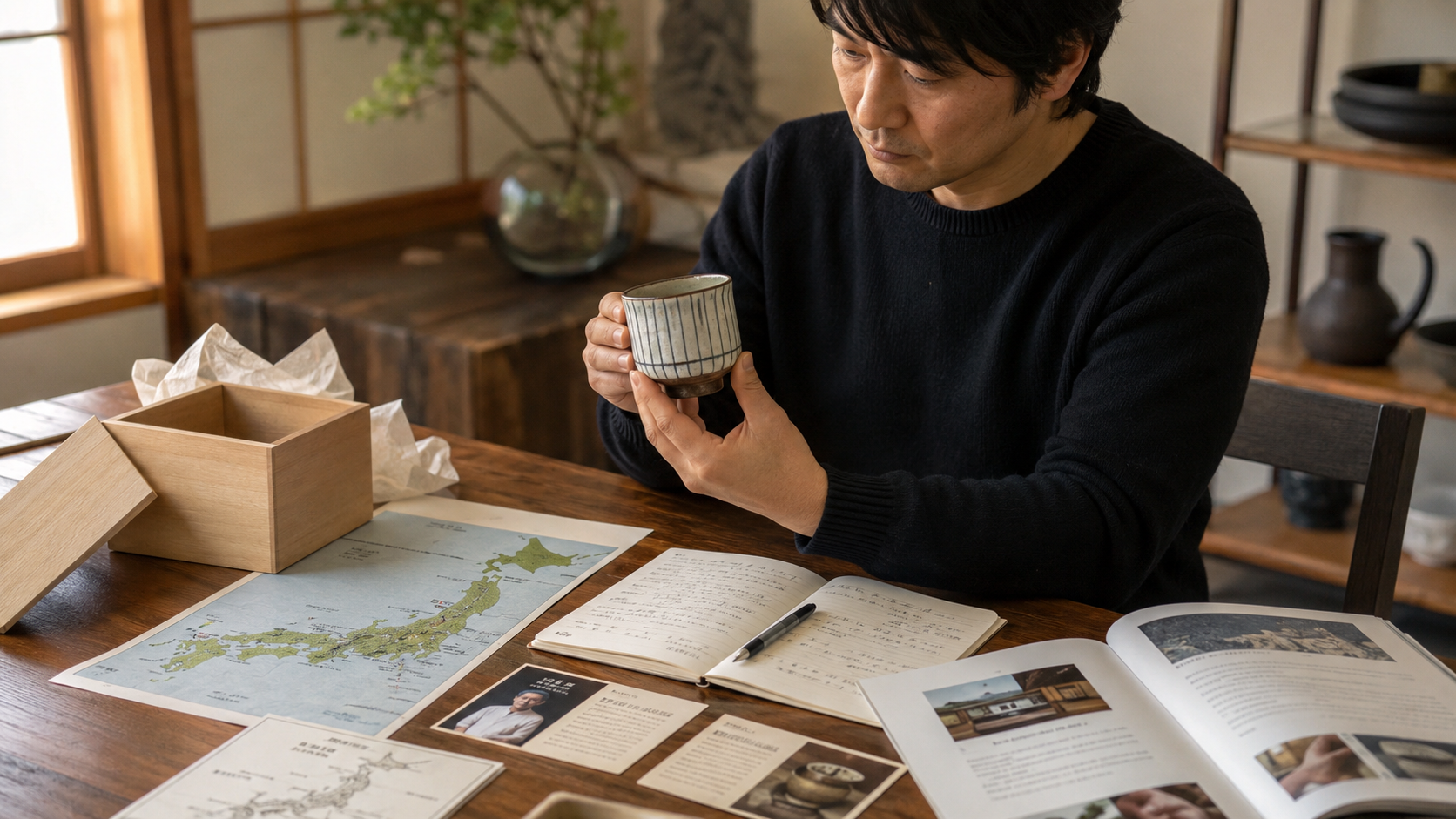
Many people want products that are genuinely connected to Japan—whether that means being made in Japan, created by Japanese designers, or produced according to a Japanese regional tradition. Counterfeiters and misleading sellers often blur these distinctions.
When you see a product described as “Japanese” online, it can mean different things:
• Made in Japan: Manufactured in Japan under Japanese industrial, food, or safety regulations. For some foods, such as certain sake or regional specialties, geographical indications (GI) help signal authentic origin.
• Japanese brand, overseas production: Designed by a Japanese company or creator but made abroad under license or supervision.
• Japanese‑inspired: Aesthetic or style references to Japan, with no formal connection to Japanese makers, brands, or regions.
Public information from MAFF, METI, and GI registries can help you understand when origin claims are regulated or protected. For example, Japanese GI systems protect some regional foods and beverages against misleading use of place names. In other fields, rights holders (such as figure makers or fashion brands) publish their own counterfeit alerts and authenticity tips on official websites. Reviewing such primary information helps you evaluate whether a product description matches how the maker or region presents itself.
4. How to Evaluate an Online Store Before You Buy
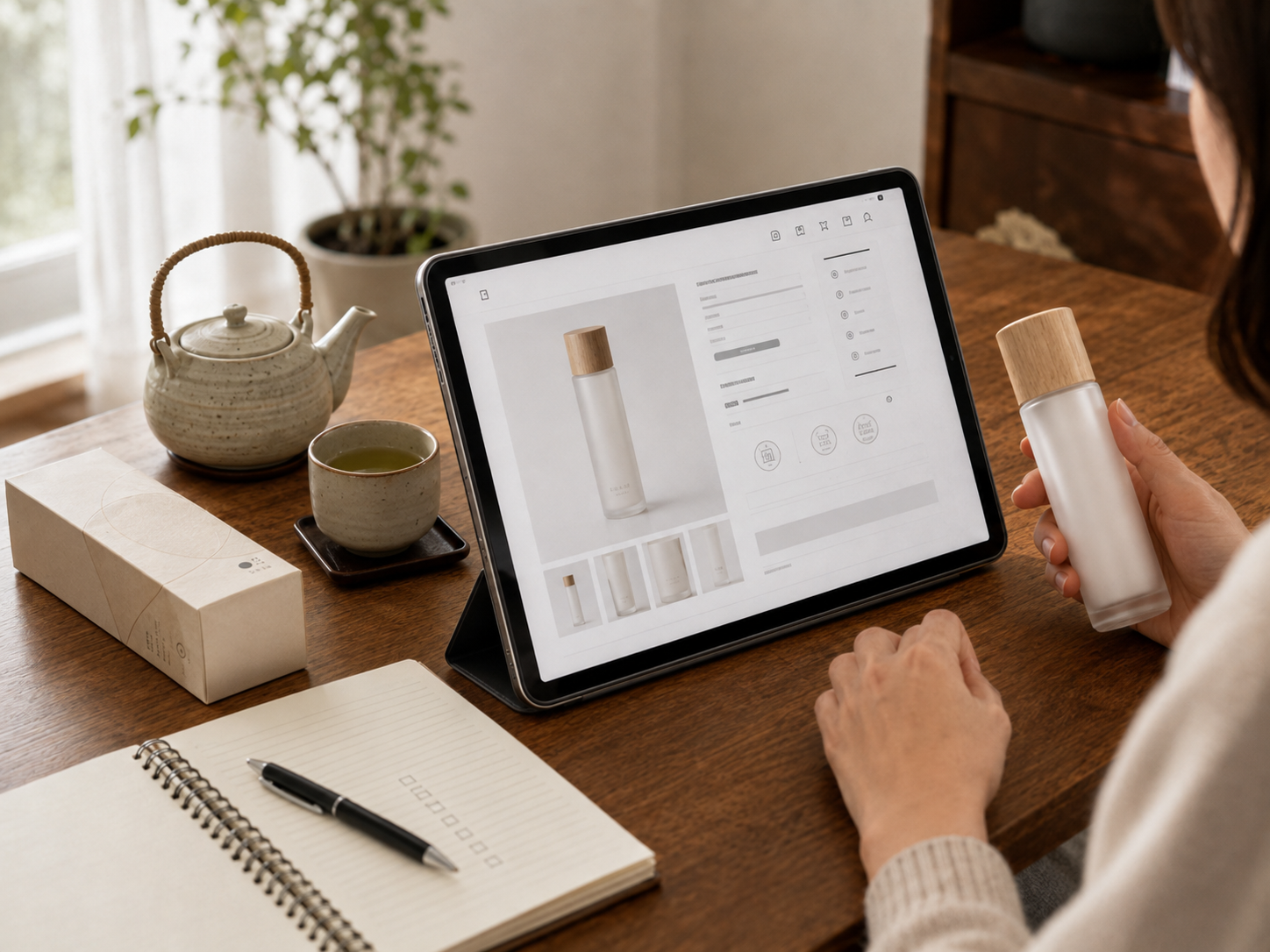
Before purchasing a product advertised as Japanese, pause and run through a credibility checklist that aligns with consumer‑protection guidance from public agencies:
- Domain and URL: Check that the domain is spelled exactly as you expect, with no added characters. Ensure the page uses HTTPS with a valid certificate (the padlock icon alone is not a guarantee, but its absence is a warning).
- Company details and policies: Look for the legal company name, physical address, and multiple contact options, or for a clear statement that some details will be provided promptly on request where that is allowed. In Japan, information such as the seller’s name, address, and phone number is in principle part of the mandatory “Act on Specified Commercial Transactions” disclosures, but the law also allows certain items to be provided without delay when a consumer asks, instead of being listed in full on the page. Missing, generic, contradictory, or unclear information is still an important red flag.
- Payment methods: Safer stores generally use reputable payment processors and offer methods with chargeback rights (such as some cards). Be very cautious of sites that only accept bank transfer, cryptocurrency, or request you to "pay in chat" or via informal links.
- Reviews and external footprint: Search the store or seller name together with terms like “review”, “complaint”, or “scam” in multiple languages when possible. A total lack of independent information, or patterns of nearly identical reviews posted in a short time frame, can be suspicious.
- Consistency of offers: Compare prices and availability with known, reputable retailers or with the brand’s official site if one exists. Continuous 70–90% discounts on popular Japanese products, or unlimited stock of supposedly limited items, rarely match how most Japanese makers operate.
- Transparency about origin: For products presented as “Made in Japan” or linked to a specific region, look for clear manufacturer names, importer details for your country, and labeling that feels consistent with what Japanese ministries and trade bodies describe as proper origin indication.
5. Red Flags in Product Listings: When an Offer Is Too Good to Be True
Even on large, legitimate platforms, individual listings may be misleading. Anti‑counterfeit guidance from agencies and IP organizations highlights several red flags to watch for in product pages:
- Extreme discounts without explanation: If a listing is far cheaper than comparable offers with no clear reason (such as official clearance or older packaging), treat it as high risk.
- Only stock photos or very low‑quality images: Listings that rely exclusively on polished promotional images from a brand website, or that show blurry packaging where text cannot be read, make it harder to spot inconsistencies common in counterfeits.
- Inconsistent or incorrect descriptions: Mixed brand names, inaccurate ingredient or material lists, and text that appears machine‑translated or copied from unrelated products may suggest the seller does not handle the genuine item.
- Suspicious shipping routes or times: Items claimed to ship directly from Japan but dispatched from unexpected countries, or shipping times that are unusually long with little tracking detail, may signal that the product is not what it appears to be.
- Lack of regulatory or safety information: For cosmetics, food, or electronics, absence of required labeling, warnings, or conformity marks for your region (where applicable) is a major concern.
6. How to Check If Your Japanese‑Branded Product Is Genuine
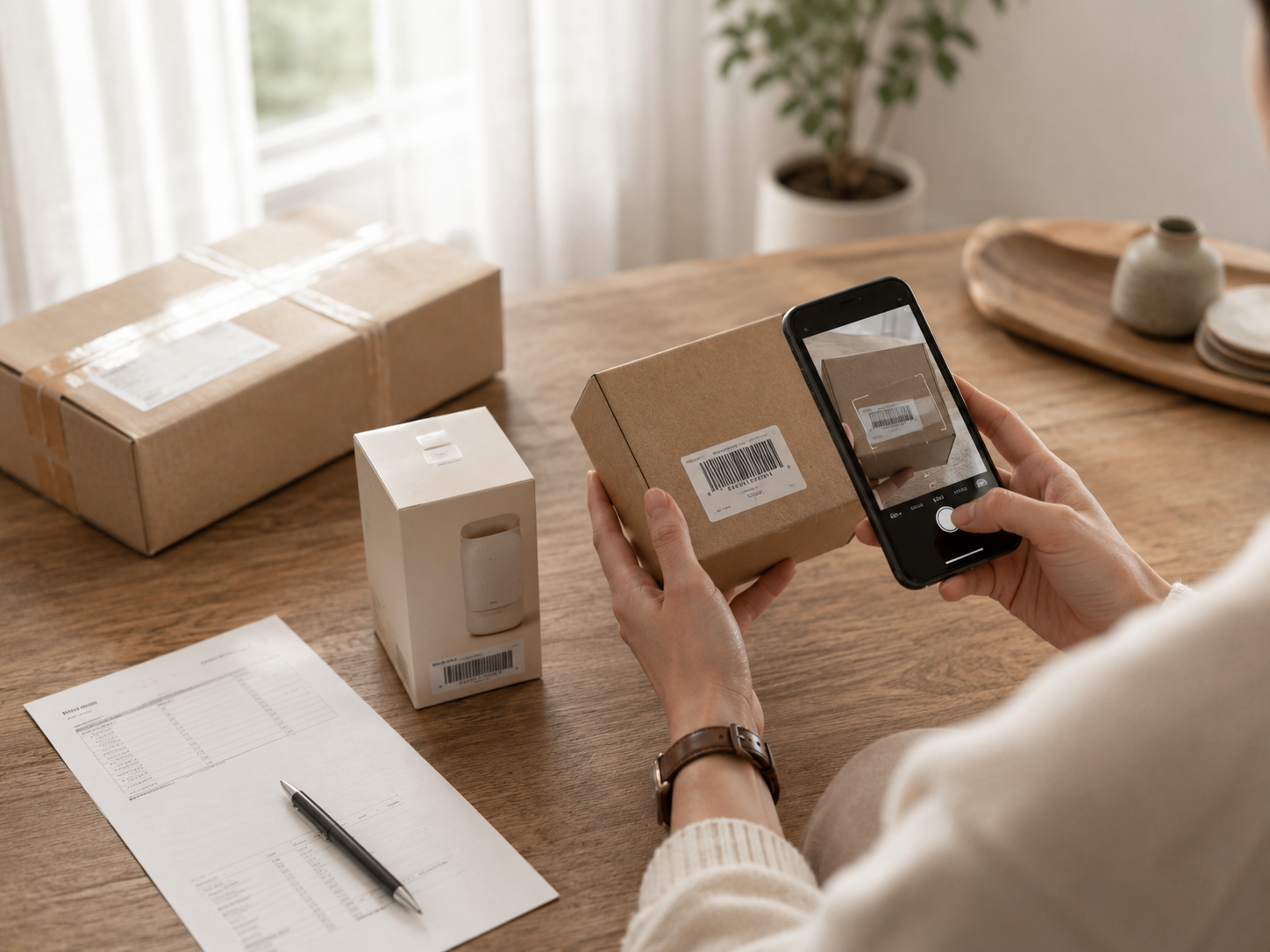
Once your order arrives, a careful inspection helps you decide whether to use the product and whether to raise concerns. Public anti‑counterfeit campaigns and brand advisories commonly recommend steps like these:
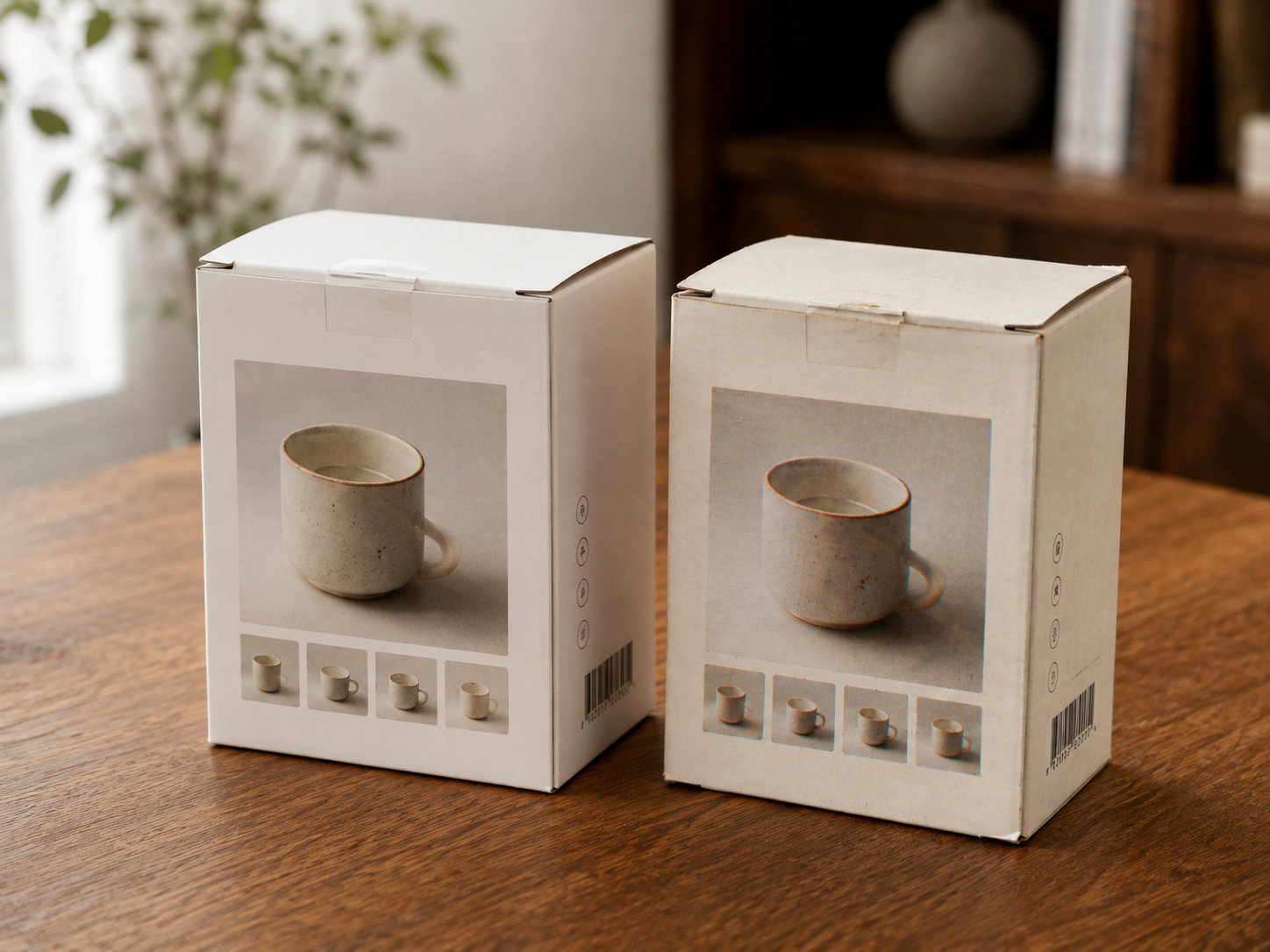
- Outer packaging quality: Examine print clarity, color accuracy, logo placement, and spelling in both Japanese and other languages. Many Japanese makers maintain high standards; obvious spelling mistakes, misaligned graphics, or faded printing can be warning signs.
- Labels and legal information: Look for full ingredient lists, manufacturer or importer information, expiration or best‑before dates where appropriate, and required safety symbols. Missing, vague, or obviously incomplete labeling warrants caution, especially for anything you eat, drink, or apply to skin.
- Batch codes, barcodes, and authenticity marks: Check for realistic lot numbers or barcodes and, where applicable, official holograms, QR codes, or seals described by the maker on its own website. Codes that are identical across different products, unreadable, or absent may indicate issues.
- Product look, scent, and performance: Compare your item with official product photos or, if you have used the same product before, with your prior experience. Large differences in color, texture, scent, or performance—particularly in skincare, food, or electronics—can signal counterfeiting, poor storage, or mishandling.
- Documentation and inserts: Instruction leaflets, warranty cards, or care guides should be coherent and consistent with the brand’s usual language and style. Very low‑quality printing or unrelated paperwork can be a hint that the product is not official.
7. Authenticity and Compatibility Across Popular Japanese Categories
Authenticity concerns and compatibility checks look different depending on the type of Japanese product you are buying. Drawing on advisories from Japanese brands and public agencies, here are category‑specific points to keep in mind:
- Food, tea, and sweets: Pay attention to sealed packaging, production and expiration dates, storage instructions, and origin indications. For regional specialties with GI protection, check whether the label matches how the GI is presented on official registries or ministry pages. Avoid items with broken seals, unclear dates, or labels you cannot read at all.
- Beauty and wellness products: Safety is critical. Question any unusual smell, color, or skin reaction, and stop use immediately if irritation occurs. Ensure ingredients lists and usage instructions are present and legible. Public health and consumer agencies in many countries issue alerts about counterfeit cosmetics; checking those bulletins can be helpful.
- Anime, games, and collectibles: Japanese figure and goods makers often issue specific counterfeit warnings on their websites, showing differences in sculpting, paint, logos, and box design. Look for off‑model faces, sloppy paint, misprinted character names, or packaging that differs from official promotional photos. Rare or limited items sold at very low prices are especially risky.
- Kitchen tools, knives, and home goods: Authentic Japanese knives, ceramics, and cast‑ironware usually have clear maker marks, consistent finishing, and realistic weight. Be cautious of goods that feel flimsy, show rough or sharp unfinished edges, or lack any information about steel type, clay, or maker.
- Fashion, accessories, stationery, and art: Check stitching, fabric quality, paper thickness, and color reproduction. Designers and stationery houses in Japan are known for meticulous details; uneven seams, fraying threads, off‑register printing, or inconsistent logos may indicate counterfeits or unauthorized copies.
8. How to Choose Safer Paths to Japanese Products
This guide is not able to recommend specific shops, but public agencies and trade organizations often suggest general strategies that can lower your risk when looking for authentic Japanese goods:
- Favor established retailers and official brand channels: When possible, buy from well‑known retailers with clear legal information, or follow links from a brand’s official Japanese or global website to its authorized partners.
- Check for participation in industry or brand anti‑counterfeit programs: Some Japanese makers list recognized distributors or provide QR codes, holograms, or serial number checks. Reading this information on their official sites can guide you.
- Compare across multiple sources: Look at offers on various reputable sites before deciding. Extreme outliers in price or availability merit extra caution.
- Consider buyer protections: Platforms or payment methods that provide dispute resolution and chargeback rights can offer more security than direct bank transfers or irreversible payments.
- Keep records: Save order confirmations, product pages, and communication with the seller. These records are crucial if you later need to open a dispute or report suspected counterfeits.
9. What to Do if You Suspect a Counterfeit or Scam Store
If something feels wrong about a seller or product, acting promptly and methodically can protect both you and others. Guidance from consumer‑protection bodies and enforcement agencies usually emphasizes three steps: safety, documentation, and reporting.
- Stop using the product: Especially important for food, tea, supplements, skincare, children’s items, or anything electrical. Do not continue to test it on yourself or others.
- Document everything: Take clear photos of the product from multiple angles, including close‑ups of labels, barcodes, batch codes, and any defects. Capture screenshots of the online listing, seller profile, payment receipts, and messages.
- Contact the seller or platform: Explain why you suspect a counterfeit and request a refund or resolution through official customer‑service or dispute channels. Stick to written communication where possible and keep copies.
- Report to relevant authorities: Depending on your country, you may be able to report suspected counterfeit goods or fraud to a consumer‑protection office, customs service, or postal inspector. Many of these bodies provide online forms and emphasize that reports help them identify broader patterns.
- Check health or safety guidance: If you have used a suspected counterfeit and feel unwell, follow the advice of local health services or medical professionals. For electrical items or appliances, disconnect and safely store them until you receive further guidance or dispose of them according to local regulations.
FAQ
- Are very cheap Japanese products always fake?
- Not always, but unusually low prices are one of the strongest warning signs mentioned in public anti‑counterfeit guidance. Compare prices across multiple reputable retailers and, where possible, with the brand’s official site. If one listing is dramatically cheaper without a clear explanation, treat it with caution and evaluate other red flags such as payment methods, stock claims, and reviews.
- How can I tell if a product labeled “Made in Japan” really comes from Japan?
- No single rule applies globally, but you can start by checking for a clear manufacturer name, address, and importer information, then see whether the brand or product appears on official Japanese or trade‑body websites. METI and MAFF publish information on origin labeling and geographical indications, and some makers explain how to recognize genuine labels or seals on their own sites. When details are vague, inconsistent, or impossible to verify, it is safer to be skeptical.
- Is it safe to buy Japanese products from large online marketplaces?
- Large marketplaces host both genuine and counterfeit goods. Many public agencies advise using marketplace features carefully: check seller ratings over time, read detailed reviews, verify product photos, and confirm return policies. Prefer sellers with a proven track record and avoid offers that rely on off‑platform payment or informal communication channels.
- What should I do if I already used a product I think is counterfeit?
- Stop using the product immediately. If you experience irritation, illness, or other adverse effects, seek guidance from medical professionals or local health services. Keep the product, packaging, and any remaining contents in case authorities or the platform ask for evidence. Document everything, contact the seller or platform to report your concerns, and consider informing your national consumer‑protection or enforcement agency if the risk appears serious.
- Where can I find official information about counterfeit issues related to Japanese products?
- Several public and industry bodies publish information in English and Japanese, including the Ministry of Economy, Trade and Industry (METI), the Ministry of Agriculture, Forestry and Fisheries (MAFF) for food and GI products, the Japan External Trade Organization (JETRO), and various customs and postal inspection services. Some Japanese brands in fields like fashion, figures, and tools also host their own counterfeit alerts and comparison photos on official sites.
Sources & References
- Japan Customs – Goods infringing intellectual property rights (counterfeit brand goods)
- Japan Customs – Strengthening border measures against counterfeit goods
- National Consumer Affairs Center of Japan (NCAC) – Warning on counterfeit brand goods ordered from overseas sites
- Japan Tariff Association – Intellectual property rights information and customs enforcement trends
- Japan Customs – Prohibited and restricted imports overview
- Japan Customs – Problems when using overseas mail‑order services
Final Thoughts
Enjoying Japanese products should be part of a wider cultural experience—connecting you with makers, regions, and traditions, not with unsafe counterfeits or scam stores. By drawing on information from public agencies and rights holders, checking how origin and brand claims are presented, and using structured steps to evaluate stores, listings, and delivered items, you can greatly reduce your risk. When prices or stories seem too good to be true, slowing down and verifying details is your best protection. Watoria’s role is to help you navigate these questions with neutral, information‑based guidance so that, wherever you ultimately choose to shop, you can do so with more confidence and care.